How to Prune Jacob's ladder?
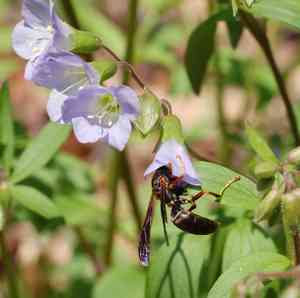
This enduring herbaceous plant is recognized for its tiered foliage and groupings of azure blossoms. For Jacob's Ladder, trimming should occur between the beginning of spring and the end of summer. Snip off faded blooms to foster additional flowering and preserve its form. In autumn, cut the leaves down to the soil level to encourage robust development. Pruning not only improves its aesthetic but also stimulates fresh growth and limits ailments in Jacob's Ladder.
What Are the Benefits of Pruning Jacob's Ladder?
What Are the Benefits of Pruning Jacob's Ladder?
Trimming jacob's ladder promotes robust development and helps maintain its compact shape, ensuring strong health and an attractive garden appearance.
What Is the Best Time for Pruning Jacob's Ladder?
What Is the Best Time for Pruning Jacob's Ladder?
Pruning in early spring allows jacob's ladder to focus energy on producing new, healthy growth without hindrance from dead or damaged leaves. This timing also avoids pruning during the blooming period, which could diminish the plant's flower display. Late summer pruning is ideal as it occurs after flowering, letting gardeners shape the plant and remove spent blossoms. Such timing encourages new growth that can harden before winter, maintaining jacob's ladder's health and vigor.
What Tools Do I Need to Prune Jacob's Ladder?
Hand Pruners
Designed for cutting stems up to 3/4 inches thick, hand pruners, or secateurs, are suitable for deadheading and trimming jacob's ladder.
Bypass Pruners
Bypass pruners operate like scissors and are perfect for making clean cuts on jacob's ladder without crushing plant tissues.
Pruning Shears
Pruning shears can be utilized for shaping and maintaining the compact growth habit of jacob's ladder, as they allow for precise snips.
Gardening Gloves
To safeguard hands from thorns or rough stems while pruning jacob's ladder, gardening gloves are essential.
Pruning Saw
For mature jacob's ladder plants with thicker stems that hand pruners cannot manage, a small pruning saw is appropriate.
Loppers
For reaching into the plant and making cuts in dense foliage without causing harm to the plant or the gardener, loppers come in handy with their long handles.
How to Prune Jacob's Ladder
Step1: Sterilizing Pruning Tools
Sanitize your pruning tools using rubbing alcohol or a household disinfectant to prevent the spread of disease to jacob's ladder.
Step2: Post-Bloom Pruning Timing
Wait until jacob's ladder has finished flowering before pruning to avoid cutting off flower buds. The plant typically blooms in the spring.
Step3: Identifying Dead Stems
Identify dead stems by looking for those that are brown, brittle, and lack any green growth or buds. These can be pruned at any time of the year.
Step4: Cutting Dead Stems at Base
Using sharp, clean pruning shears, snip dead stems at the plant's base. Make cuts just above soil level, being careful not to harm nearby healthy stems.
Step5: Deadheading Spent Blooms
Locate faded flowers, which are spent blooms that are wilting, browning, or have already set seed. Deadheading, or removing these faded flowers, will promote further blooming and prevent jacob's ladder from self-seeding if not desired.
Step6: Promoting New Flowers
Cut the faded flowers off just above the first set of healthy leaves below the flower head. This will encourage jacob's ladder to produce additional flowers or to put more energy into foliar growth.
Step7: Disposing of Pruned Debris
Dispose of the pruned material away from your garden area to reduce the likelihood of any pests or diseases spreading to other plants.
Step8: Watering After Pruning
Water jacob's ladder after pruning, which will help it recover and reduce the stress on the plant.
Step9: Monitoring Post-Pruning Growth
Monitor jacob's ladder after pruning for new growth. If the plant responds well, it may not need further pruning until the next blooming cycle.
Post-Pruning Care for Jacob's Ladder
Post-Pruning Care for Jacob's Ladder
Immediately after pruning jacob's ladder, ensure ample watering to promote recovery, taking care to avoid waterlogging. Maintain a stable environment with partial shade, avoiding extreme temperatures and ensuring good airflow to prevent disease. Implement light fertilization with a balanced, slow-release fertilizer to support new growth. Regularly inspect jacob's ladder for signs of stress, such as discoloration or wilted leaves, and for infection indicators like spots or decay. If symptoms appear, isolate the plant and apply appropriate fungicides or pest treatments.
Common Pruning Mistakes with Jacob's Ladder
Over-Pruning Leads to Sparse Foliage
One common mistake is over-pruning jacob's ladder, which can lead to sparse foliage and reduced flowering. Gardeners should avoid cutting back the plant too severely.
Avoid Cutting into Woody Base of Old Plants
Another mistake is pruning into the woody base of older jacob's ladder plants where new growth is less likely to occur. This can result in weaker plants and poor regeneration.
Sanitize Tools to Prevent Disease Spread
Not sanitizing pruning tools before and after use can spread diseases among jacob's ladder plants. Always ensure tools are clean to prevent the transmission of pathogens.
Common Pruning Tips for Jacob's Ladder
Prune Spent Stems Post-Blooming for Reblooming
After jacob's ladder blooms, cut back the spent flower stems to the base to encourage reblooming and prevent self-sowing if not desired.
Remove Diseased Foliage to Sustain Plant Health
In the case of diseased or dead foliage, promptly prune the affected areas back to healthy growth to maintain plant vigor and aesthetic.
Light Pruning Preserves Shape and Size
To maintain the shape and size of jacob's ladder, occasional light pruning might be necessary. This can be done by snipping off any unruly stems that disrupt the plant's natural mound-like habit.



