How to Transplant Patchouli?
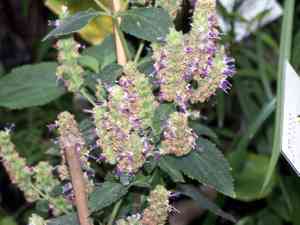
The optimal period for relocating patchouli is in the lively phase of early to mid-spring, leveraging moderate temperatures for root development. Choose a location with partial shade and damp, well-draining earth. Careful manipulation is crucial for preserving the roots' soundness.
What Preparations are Needed Before Transplanting Patchouli?
What is the Ideal Time for Transplanting Patchouli?
The beginning of spring, specifically the period spanning early to mid-spring, is perfect for relocating patchouli. This timeframe offers an optimal balance; the soil is sufficiently warm to promote root development, yet temperatures are moderate, minimizing stress on patchouli. Moving patchouli during this season will kickstart its growth, as increasing daylight and warmth significantly aid root establishment before summer's intense heat.
How Much Space Should You Leave Between Patchouli Plants?
When preparing to move your patchouli, you'll want to provide ample room for their development. Aim for a gap of approximately 2-3 feet (60-90 cm) between each plant. This ensures they have space to expand and won't compete for resources.
What is the Best Soil Mix for Patchouli Transplanting?
Preparing the correct soil is vital for your patchouli. These plants thrive in well-draining soil. Before transplanting, incorporate some aged manure or compost as a foundational fertilizer into the soil. This will supply your plant with the essential nutrients for its growth.
Where Should You Relocate Your Patchouli?
Now, let's discuss placement. Your patchouli enjoys sunlight, but also benefits from some shade. Locate a spot that receives abundant morning sun, while offering protection from the harsh afternoon rays. This balance will help your plant flourish.
What Equipments Should You Prepare Before Transplantation Patchouli?
Gardening Glove
To safeguard your hands when handling soil and plants.
Spade or Shovel
Essential for excavating the hole to plant your patchouli.
Garden Trowel
Useful for loosening the soil around the plant for an easy lift.
Garden Pruners
In case of any damaged roots that require trimming.
Watering Can or Hose
To hydrate the patchouli after you've moved them.
Gardening Fork
Needed if the plant is in dense clay soil that requires loosening.
Measuring Tape
Ensure the hole is wide and deep enough to accommodate patchouli's root ball.
Wheelbarrow/bucket
For moving the plant from one spot to another.
How Do You Remove Patchouli from the Soil?
How Do You Remove Patchouli from the Soil?
From Ground: To begin, thoroughly water your patchouli plant to moisten the soil. Then, dig a wide circle around the plant using a spade or garden fork, being careful not to harm the root ball. Gently slide your spade beneath the root ball and carefully lift the plant, keeping the root structure intact.From Pot: If your patchouli is in a container, it's important to water the plant completely. Then, carefully tilt the pot sideways and support the stem at the base, allowing the plant and root ball to slide out. If it's stuck, tap the bottom of the pot. Always remember to handle the plant delicately, avoiding any damage to the roots.From Seed Tray: If your patchouli is a seedling, the process is straightforward. Water the tray and gently scoop out the seedlings using a small trowel, ensuring you don't pull them out and cause damage.
Step-by-Step Guide for Transplanting Patchouli
Pot Preparation
Start by ensuring the pot is clean, especially if it's been used previously. This helps prevent any potential disease spread. Fill the pot with compost to the top and create a hole that can accommodate the root ball.
Planting
Place the patchouli gently into the hole, making sure the plant's crown is level with or slightly above the surrounding soil. Backfill with soil but do not overpack it around the plant. Press the soil down gently.
Watering
Water the plant generously after transplanting. Continue watering for several days until the plant is established and shows signs of growth.
How Do You Care For Patchouli After Transplanting?
Monitoring
Regularly observe the patchouli plant over the next few weeks, paying attention to its growth, leaf color, and structure.
Watering
Keep the plant moderately moist but avoid excessive watering to prevent root rot. The watering frequency will depend on the weather. In warmer months, the patchouli plant will require more water compared to cooler months.
Pruning
If any leaves or branches become brown or withered after the transplant, trim them off so the plant can focus on new growth.
Foliage care
Clean the plant's leaves periodically to enable them to absorb sunlight efficiently.
Troubleshooting Common Issues with Patchouli Transplantation.
When is the best time to transplant my patchouli?
Relocate patchouli during seasons 1 and 2 (S1-S2) when temperatures and light conditions are less harsh on the plant.
What's the ideal distance to leave between each patchouli plant during relocation?
Maintain a spacing of approximately 2-3 feet (60-90 cm) between each patchouli plant. This provides each with sufficient room to spread and grow.
How to prepare the soil before I transplant patchouli?
Ensure the soil is well-draining and somewhat fertile. Add compost or well-rotted manure to enrich the soil before moving your patchouli.
How deep should I dig to transplant my patchouli?
Excavate a hole twice the width and the same depth as the root ball. This gives patchouli ample space to establish its roots.
Why is my transplanted patchouli showing signs of wilting?
Patchouli needs time to adapt to its new location. Consistent watering and providing shade can help the plant recover. If the issue persists, examine the soil and root health.
How much water does my transplanted patchouli need?
Water thoroughly after transplanting. Afterward, keep the soil moist but not waterlogged. Overwatering might cause root rot in patchouli. Adjust based on weather and soil type.
Why are the leaves of my newly transplanted patchouli turning yellow?
Yellowing leaves can indicate a nutrient deficiency or overwatering. Check soil moisture and ensure your patchouli is receiving adequate nutrients from the soil.
What should I do if the transplanted patchouli isnât showing new growth?
Be patient. Patchouli may need time to adjust to its new environment. Provide proper care and time for it to establish before expecting new growth.
Can I use any type of fertilizer after transplanting patchouli?
Yes, but it's best to use a slow-release organic fertilizer. It will provide nutrients consistently over time and support healthy growth after transplanting patchouli.
How can I protect my transplanted patchouli from pests and diseases?
Monitor your patchouli regularly for any unusual spots or pests. Use organic pesticides or remove infested parts promptly to prevent spreading. Proper care promotes a healthy and strong plant.



