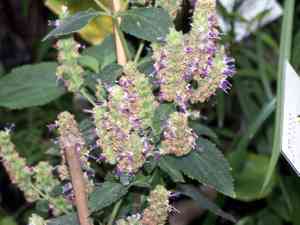
Patchouli (Pogostemon cablin)
Also known as: Patchouli, Pucha-pat
Patchouli (Pogostemon cablin) gained popularity in the West during the 1960s and '70s, largely due to the 'hippie' movement. In Asia, it has long been a valuable economic crop, primarily used for making incense and also serving as an insect repellent.
In This Article
Attributes of Patchouli
Lifespan
Perennial
Plant Type
Herb
Plant Height
75 cm
Spread
90 cm
Leaf Color
Green
Flower Size
4 cm to 7 cm
Flower Color
White
Quickly Identify Patchouli
1
Patchouli plants can be identified by their bushy, herb-like growth, their strongly aromatic leaves which are broad, furry, and have a slightly uneven edge, and their small, pale white to purplish flowers arranged in spikes.
Scientific Classification of Patchouli
Phylum
Vascular plants
Class
Dicotyledons
Order
Lamiales
Family
Mint
Genus
Pogostemon
Species
Patchouli
Planting and Growing of Patchouli
Care Difficulty
Easy
Watering Schedule
Every 4 days
Sunlight Requirements
Partial sun
Sunshine Duration
6-10 hours
Ideal Temperature
65-80℉
Soil Type
Potting Mix, Peat Mix
Soil pH
6-7.5
Fertilizer Type
Balanced
Pruning Season
Spring, Summer
Pruning Area
Branches, Leaves
Pruning Frequency
2 times a year
Repotting Season
Spring
Pot Type
Plastic, Ceramic
 How to Water Patchouli?
For Pogostemon cablin, it's crucial to ensure that the soil is consistently moist but not waterlogged. Aim to water approximately 200 ml each time, ensuring the top inch of soil is allowed to dry out slightly before the next watering. The key is to maintain a balance, allowing the plant to absorb nutrients efficiently without over-saturation.
What are the symptoms of an underwatered Patchouli?
›
What should I do if my Patchouli is not getting enough water?
›
What are the symptoms of an overwatered Patchouli?
›
How to save an overwatered Patchouli?
›
 What Are the Sunlight Requirements for Patchouli?
Partial sunlight, approximately 4 to 6 hours daily, ensures Pogostemon cablin thrives. This range fosters robust foliage and aromatic oil concentration, maximizing photosynthetic efficiency without risking leaf burn.
More About Sunlight Requirements Techniques→
What is the best lighting location for Pogostemon cablin?
›
How do we adjust lighting if natural light is insufficient?
›
What are the advantages of providing ideal lighting to Pogostemon cablin?
›
 What Is the Ideal Temperature Range for Patchouli?
Pogostemon cablin thrives best in temperatures ranging from 65°F to 80°F. Maintaining this ideal temperature range ensures optimal growth and health of the plant. It's crucial to prevent fluctuations within this range to avoid any stress that can stunt growth or cause other issues. Why is 65°F to 80°F ideal? This range mimics the plant's native subtropical climate, allowing it to photosynthesize efficiently and maintain proper metabolic processes.
 What Soil is Best for Patchouli?
Pogostemon cablin thrives in nutrient-rich soil that provides essential minerals for robust growth. A rich soil ensures the plant develops vigorous foliage and enhances its essential oil production, which is highly valued. Ensuring that the soil has good drainage is crucial for Pogostemon cablin. Poorly draining soil can lead to root rot, which will severely affect the health of the plant. Well-draining soil promotes healthy root development and prevents waterlogging. While drainage is important, the soil should also retain enough moisture to keep the plant hydrated, especially in hot climates. Moisture-retentive soil contributes to consistent growth and prevents stress in dry periods.
 How to Fertilize Patchouli?
For Pogostemon cablin, it's crucial to apply fertilizers sparingly as excess can lead to leaf burn. A typical recommendation is to use a diluted liquid fertilizer. Mix at one-fourth the strength of what’s recommended on the label, usually about 1 teaspoon per gallon of water, and water thoroughly.
 How to Prune Patchouli?
Focus on cutting back dead, damaged, or overly long stems. Prune just above a node or a set of leaves to encourage new branches to emerge from that point, enhancing the plant's fullness. When shaping your Pogostemon cablin, aim to achieve a balanced appearance. Start at the top and work your way down, maintaining a consistent shape. Avoid over-pruning which can stress the plant. If the plant is being grown for its aromatic leaves, more frequent pinching of the tips can encourage a denser foliage growth, which is beneficial for harvesting leaves regularly.
More About Pruning Techniques→
 How to Propagate Patchouli plant?
1
Choose a healthy parent plant with no signs of disease or pest infestation. This ensures that the cuttings are strong and have a higher potential for successful propagation.
2
Cut a 4-6 inch section of a healthy stem just below a node. Remove the lower leaves and dip the cut end into rooting hormone if desired. Ensure to take the cuttings from non-flowering stems.
3
Plant the cuttings in well-draining soil or a suitable propagation medium. Keep them in a warm, humid environment with indirect sunlight. This helps in encouraging root growth over the upcoming weeks.
 How to Repot Patchouli plant?
1
Pogostemon cablin typically needs to be repotted when you notice the roots begin to coil at the bottom or emerge from the drainage holes. Another clear signal is when the plant's growth rate noticeably slows down despite adequate care. Repotting during Spring or Summer ensures the plant is in its optimal growth phase, which aids in recovery.
2
Select a pot that is one size larger than the current one—with proper drainage holes to prevent waterlogging. A slightly larger pot encourages healthy root expansion and prevents the plant from becoming root-bound, eliminating stress that could lead to stunted growth or disease.
3
The ideal soil is a well-draining potting mix, often with added perlite or sand to improve aeration. This mix allows the plant to draw moisture efficiently while preventing root rot—a common issue with overly compact or water-retentive soils.



