How to Propagate Patchouli?
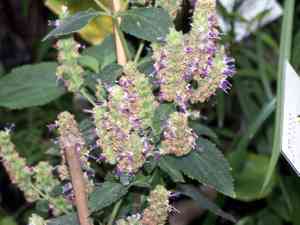
A member of the mint family, patchouli is an aromatic, enduring herb prized for its concentrated oil. For successful propagation, meticulously prepare sections from a thriving parent specimen, making sure each possesses a node to stimulate root development. The softwood cutting method is an efficient strategy, utilizing new shoots that haven't yet hardened. Optimally, establish these cuttings in a porous potting blend under elevated humidity and diffused illumination to cultivate a strong root structure. After rooting, transfer them into separate containers or garden plots with sufficient room to thrive.
What Is the Best Time To Propagate Patchouli?
Propagation Type
Sowing
Propagation Season
Spring
What Tools Are Used in Patchouli Propagation?
Seed trays
Seed trays offer an organized, space-efficient method for starting seeds. Their compartments enable individual care and prevent root tangling, which is crucial for patchouli to minimize stress during sprout transfer.
Peat pots
Peat pots are biodegradable containers perfect for patchouli that can be directly planted into the soil, thereby reducing transplant shock. This is vital for the sensitive root systems common in patchouli, fostering stronger, healthier plant development.
Potting mix
A premium, nutrient-rich potting mix offers the necessary environment for seed germination and root growth. For patchouli, which needs well-drained soil, a seed-starting mix promotes superior root health and moisture equilibrium.
Watering can with a fine rose
This tool guarantees a gentle, uniform water distribution, essential for keeping patchouli seeds and young plants adequately moist without dislodging or burying them under a strong water flow, thus encouraging successful germination.
Plant labels
Plant labels are vital for organizing various batches of patchouli during propagation, especially in environments where multiple plant varieties are cultivated. They assist in monitoring progress and care specific to patchouli.
Heating mat
A heating mat is particularly advantageous for patchouli's germination, supplying a consistent heat source that can help stimulate growth in cooler settings. This steady temperature control is crucial for the successful propagation of patchouli.
How to Propagate Patchouli?
Propagation Type
Easy
How to Care for Your Newly Propagated Patchouli?
How to Care for Your Newly Propagated Patchouli?
Post-propagation, position patchouli plants in partial shade to prevent direct sun exposure, which can scorch their leaves. Maintain consistent soil moisture without overwatering. Apply a balanced, water-soluble fertilizer every four weeks to support growth. As patchouli is sensitive to cold, keep indoor plants in rooms above 65°F (18°C) and shield outdoor plants from frost. Regularly inspect for pests like spider mites and treat as needed. Prune patchouli to encourage denser growth and prevent it from becoming leggy.
Common Mistakes to Avoid When Propagating Patchouli
Overwatering
Excessive watering can lead to root rot, making patchouli's soil too damp, hindering proper root formation, and potentially killing the cuttings.
Poor cutting selection
Using weak or diseased cuttings for propagation will likely fail as they lack the vigor to establish new growth, compromising the health of the propagated patchouli.
Insufficient light
Inadequate light can result in leggy growth or a failure to thrive, as patchouli requires a balance of bright light for optimal development.
Skipping rooting hormone
While not always essential, omitting rooting hormone can lower the success rate of cuttings since it stimulates root growth and protects the cutting from diseases.
Neglecting humidity
Ignoring the importance of humidity can cause the cuttings to dry out, as patchouli cuttings thrive in a humid environment to promote rooting.
Tips For Propagating Patchouli
Moist but well drained soil
Utilizing a potting mix that retains moisture yet allows for good drainage is crucial to support healthy root development without causing rot.
Healthy stem cuttings
Select robust, healthy stem cuttings free of stress or disease signs to ensure a higher chance of successful root development in patchouli.
Indirect light exposure
Provide bright but indirect light to patchouli cuttings to encourage growth without the risk of scorching the delicate new leaves and stems.
Use of rooting hormone
Applying rooting hormone to the cut bottom end of the cutting can enhance the chances of successful rooting for patchouli.
Maintain ideal humidity
Creating a humid environment, such as using a humidity dome or misting the air around the cuttings, can significantly improve the success rate of patchouli propagation.



