How to Prune Patchouli?
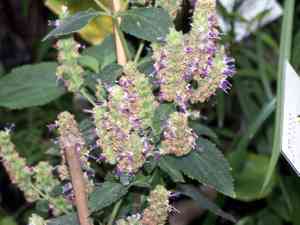
Patchouli, a tropical perennial herb prized for its fragrant foliage, flourishes with consistent trimming. Eliminate faded blossoms and reduce growth by as much as one-third to encourage a denser form and improved airflow. While optimal pruning occurs in spring prior to new development, minor trimming can extend into summer and autumn for shaping purposes. This practice stimulates more energetic growth and results in abundant leaves, crucial for generating its characteristic scent. Refrain from significant cuts during deep winter to avert plant distress.
What Are the Benefits of Pruning Patchouli?
What Are the Benefits of Pruning Patchouli?
Trimming patchouli encourages flower development, promotes vigorous growth, and maintains its desired shape, leading to a healthier and more attractive plant.
What Is the Best Time for Pruning Patchouli?
What Is the Best Time for Pruning Patchouli?
Pruning in Spring coincides with the start of patchouli's active growth period, fostering a bushier plant with denser foliage. Early Summer trimming is good for shaping the plant and encouraging new growth before intense heat, which can stress it. Early Fall pruning ensures patchouli doesn't enter dormancy with excessive growth, which can cause stress and pest problems. However, avoid late Fall pruning, as new growth might not harden off before frost. These specific seasons allow for recovery and strong growth, enhance patchouli's health, and prepare it for dormant periods. Additionally, these timings prevent disruption of the flowering phase, crucial for plants like patchouli, which flower and can be harvested for their aromatic leaves and essential oils.
What Tools Do I Need to Prune Patchouli?
Hand Pruners
Perfect for making accurate cuts on patchouli's soft stems.
Pruning Scissors
Suitable for trimming delicate foliage and small branches of patchouli, offering precision and control.
Bypass Pruners
Capable of creating clean cuts without crushing stems, beneficial for the plant's well-being.
Gloves
Offer protection for the gardener's hands from patchouli's essential oils, which can be potent.
How to Prune Patchouli
Cleaning Tools
Before beginning, ensure all pruning tools are clean and sharp to prevent disease spread and to make clean cuts on patchouli.
Remove Diseased Leaves
Carefully remove any diseased leaves from patchouli by cutting them at the stem's base. Be diligent to stop disease from spreading.
Eliminate Withered Leaves
Trim any withered leaves from patchouli, identifiable by their dry and discolored appearance, to encourage healthy growth and improve air circulation.
Trim Withered Flowers
Cut back withered flowers on patchouli to redirect energy to the plant's healthy parts and to stimulate new flower production.
Final Cleanup
After pruning, clear away all removed plant material from around patchouli to deter pests and disease, and properly dispose of the waste.
Common Pruning Mistakes with Patchouli
Overzealous Pruning
Pruning too much in one session can stress patchouli, hindering its recovery. Always prune moderately, removing no more than one-third of the foliage at a time.
Sharpness Of Tools
Dull or dirty pruning tools can harm the patchouli by tearing stems, potentially leading to disease. Use clean, sharp tools for clean cuts that promote quick healing.
Ignoring Plant Shape
Not considering patchouli's natural shape can result in unbalanced growth or a less attractive form. Prune with its inherent shape and branching pattern in mind.
Pruning Live Flowers
Cutting away live flowers could reduce the plant's aromatic yield. It's important to prune patchouli after flowering to avoid impacting essential oil production.
Common Pruning Tips for Patchouli
Selective Pruning
For proper patchouli maintenance, selectively prune to thin out crowded branches and improve air circulation, which can lower disease risk.
Promote New Growth
Prune patchouli to stimulate new growth, which tends to produce more vigorous and aromatic branches and leaves.
Cutting Technique
Angled cuts on branches can help prevent water accumulation and reduce the potential for rot or disease. Aim for a 45-degree angle just above leaf nodes.
Health And Maintenance
Regularly remove any dead or yellowing leaves to maintain patchouli's health and appearance, and to prevent pest infestations and fungal issues.



