Enhancing Your Garden Design with the Patchouli Plant: A Landscaping Guide
1
Patchouli provides a distinct fragrance and aesthetic charm to any outdoor space.
2
It's adaptable, fitting well into diverse garden designs and environments.
3
Knowing when to plant and how to care for it is crucial for successful Patchouli growth.
Introducing Patchouli to Your Landscape
Appreciating Patchouli's distinct visual appeal
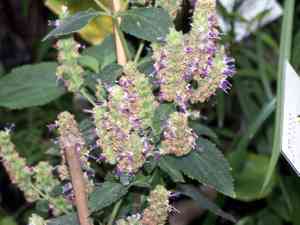
Patchouli is notable for its unique scent and abundant foliage. Its deep green leaves offer a calming backdrop, and its dense, compact form adds texture and depth to garden layouts. With Patchouli, you gain a sensory experienceâits aroma is both soothing and enriching, making your garden not only beautiful but also fragrant.
Patchouli's adaptability across various garden designs
Patchouli is a versatile plant that can enhance diverse garden aesthetics. Whether you prefer a contemporary, minimalist look or a more rustic, traditional feel, Patchouli integrates seamlessly. Its flexible nature allows it to serve as ground cover, a border plant, or even in container arrangements. This adaptability means you can incorporate Patchouli in many ways to achieve your aesthetic and practical goals.
Designing Your Landscape with Patchouli
Initial considerations for integrating Patchouli
Before adding Patchouli to your garden, assess factors like sunlight exposure, soil quality, and water drainageâelements vital for its development. Patchouli prefers partial shade and well-draining soil, making it suitable for various garden spots. Additionally, consider how Patchouli's scent and appearance will complement existing landscape features to create a harmonious setting.
Design recommendations for effective Patchouli placement
To maximize Patchouli's impact, position it where its fragrance can be enjoyed, such as along pathways, near seating areas, or by entryways. Planting Patchouli in clusters can create a fuller appearance and establish it as a garden focal point. Furthermore, combining Patchouli with plants of varying heights and textures can produce a dynamic and visually engaging garden space.
Plants That Complement Patchouli
Ideal companion plants for Patchouli and their synergistic benefits
Patchouli pairs well with many plants due to its neutral green leaves and pleasant scent. Herbs like thyme, rosemary, and lavender are excellent companions, sharing similar care needs and enhancing the aromatic experience. Additionally, ornamental grasses and flowering plants such as marigolds and zinnias can boost visual appeal, offering contrasting colors and textures.
Achieving a unified look with Patchouli and other flora
Creating a cohesive aesthetic with Patchouli involves seamlessly blending it with plants that have similar care requirements and complementary appearances. For instance, combining Patchouli with perennials and shrubs can add vertical interest and layers to your garden design. Consider color palettes and plant forms to achieve a balanced and inviting landscape. Ensuring companion plants harmonize with Patchouli's growth habits will result in a more unified and attractive garden.
Seasonal Considerations for Patchouli
Optimal times of year for planting Patchouli
The best times for planting Patchouli are during spring or early summer when temperatures are warm and the risk of frost has passed. These conditions help Patchouli establish its root system and begin vigorous growth. Early planting also allows the plant to benefit from the full growing season, ensuring it matures in favorable weather.
Patchouli's response to various seasonal shifts
Patchouli thrives in warm, humid conditions and can struggle in extreme cold. In autumn, prepare Patchouli for cooler weather by mulching its base to protect the roots. During winter, if you reside in a region with freezing temperatures, consider moving Patchouli to pots and bringing them indoors. Whether inside or out, ensuring adequate light and moisture will keep Patchouli healthy throughout the year.
Maintaining Patchouli in Your Landscape
Regular maintenance advice for Patchouli
Patchouli requires consistent watering, especially during dry periods, but be careful to prevent waterlogging. Prune the plant periodically to maintain its shape and encourage denser growth. Removing any dead or yellowing leaves will also improve the plant's appearance and vitality. Additionally, regularly check for pests and treat any infestations promptly to prevent damage.
Long-term care strategies for Patchouli
Over time, Patchouli benefits from annual fertilization with a balanced organic fertilizer to sustain soil fertility. Dividing the plant every few years can help prevent overcrowding and promote healthier development. Monitoring soil pH and making adjustments if necessary will keep Patchouli in prime condition. With proper care and attention, Patchouli can flourish and continue to enhance your garden landscape for many years.



