How to Transplant Mexican pinyon?
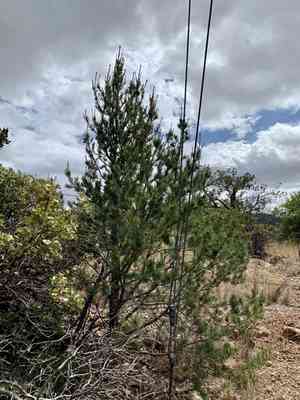
The optimal period for relocating mexican pinyon is in the vigor of late spring, allowing roots to settle prior to summer. Select locations that receive ample sunlight and possess soil that drains effectively. Carefully managing mexican pinyon's root system facilitates a seamless adjustment.
What Preparations are Needed Before Transplanting Mexican Pinyon?
What is the Ideal Time for Transplanting Mexican Pinyon?
The optimal period for relocating mexican pinyon is during the gentle warmth of late spring. This timing ensures a smooth transition for mexican pinyon, aligning well with its natural growth cycle. Transplanting at this point leverages ideal temperatures and soil conditions, fostering robust root establishment. Moving mexican pinyon now allows it to settle before summer's intense heat, promoting a healthy, flourishing start in its new environment.
How Much Space Should You Leave Between Mexican Pinyon Plants?
Prior to moving your mexican pinyon, ensure they have ample room to flourish. Aim for a spacing of 20-30 feet (6-9 meters) between plants. This provides sufficient space for growth, prevents overcrowding, and encourages good air circulation.
What is the Best Soil Mix for Mexican Pinyon Transplanting?
Your mexican pinyon will thrive in well-draining soil, so opt for a sandy or loamy composition. Before transplanting, incorporate some slow-release fertilizer to give them a strong start. This nutrient boost supports their development right from the beginning!
Where Should You Relocate Your Mexican Pinyon?
Select a sunny location for your mexican pinyon, as they thrive in direct sunlight. An area where they receive at least 6 hours of direct sun daily is perfect. Adequate sun exposure is vital for your plants' well-being, helping them flourish!
What Equipments Should You Prepare Before Transplantation Mexican Pinyon?
Gardening Gloves
To safeguard your hands while handling soil and plants.
Shovel or Spade
For excavating the planting site and extracting the mexican pinyon from its original spot.
Watering Can or Hose
To hydrate the mexican pinyon both prior to and following transplantation.
Wheelbarrow
For moving the mexican pinyon and soil.
Root Pruning Shears
To carefully trim any damaged roots.
Measuring Tape
To gauge the depth and width when excavating the new hole.
Mulch
To aid in retaining soil moisture around the mexican pinyon after it's been transplanted.
How Do You Remove Mexican Pinyon from the Soil?
How Do You Remove Mexican Pinyon from the Soil?
From Ground: Start by watering the mexican pinyon to moisten the soil, making it easier to work with. Then, dig a wide circle around the plant using a shovel or spade, ensuring a generous amount of soil remains around the root ball. Carefully slide the spade beneath to lift the mexican pinyon from the ground.From Pot: Thoroughly water the mexican pinyon before beginning. Turn the pot on its side, grasp the stem at the base, and gently tap the bottom and sides of the pot to loosen the root ball. Invert the plant into your hand or onto a surface, taking care not to harm the stem.From Seedling Tray: Water the seedlings to ensure the soil is damp. Use a spoon or a dibbler to carefully lift the mexican pinyon from its cell, attempting to keep as much of the root soil intact as possible.
Step-by-Step Guide for Transplanting Mexican Pinyon
Preparation
Water the mexican pinyon several hours before transplanting to ensure the roots are well-hydrated.
Hole Digging
Excavate a hole in the ground that is twice as wide and the same depth as the mexican pinyon's root ball.
Root Inspection
Examine the mexican pinyon's roots and use pruning shears to remove any dead or excessively long roots.
Placement
Position the mexican pinyon in the center of the hole. The top of the root ball should be flush with the surrounding soil surface.
Soil Refilling
Gently backfill the hole with the excavated soil, firming it in place without over-compacting, which could impede root growth.
Watering
After planting, thoroughly water the mexican pinyon to settle the soil and eliminate any air pockets.
Mulching
Apply a layer of mulch around the mexican pinyon to help conserve moisture and regulate soil temperature.
How Do You Care For Mexican Pinyon After Transplanting?
Monitoring
Observe the mexican pinyon for indications of stress, such as wilting or discolored leaves, and address any issues promptly.
Watering Routine
Establish a consistent watering schedule, ensuring the root zone remains moist, particularly during the initial season post-transplant.
Support
If the mexican pinyon is in an exposed location, consider providing staking or wind protection until its roots are established.
Weeding
Keep the area around the mexican pinyon clear of weeds, which can compete for vital nutrients and water.
Pruning
Limit pruning after transplanting to only removing dead or broken branches, allowing the mexican pinyon to prioritize root development.
Observation
Regularly inspect the mexican pinyon for any pests or diseases, and take necessary action to maintain its health.
Troubleshooting Common Issues with Mexican Pinyon Transplantation.
Why is my mexican pinyon struggling after transplant?
Transplant shock can occur if roots were damaged or if the tree isn't adequately watered. Ensure gentle root handling and consistent soil moisture after planting.
Can I transplant mexican pinyon during summer or winter?
It's best to transplant in the optimal window from mid-spring to late spring for the tree to establish before extreme temperatures.
My mexican pinyon looks dry post-transplant, what should I do?
A dry appearance could indicate underwatering. Water deeply and regularly, but avoid oversaturation, allowing roots to access moisture without drowning.
What's the ideal distance between newly transplanted mexican pinyons?
Spacing should be generous, roughly 20-30 feet (6-9 meters) apart, to accommodate growth and ensure adequate nutrient access for each tree.
How deep should I plant my mexican pinyon?
The root ball should be level with the soil surface, in a hole twice as wide. This encourages proper root development.
What if my mexican pinyon isn't growing well after transplant?
Check for adequate soil conditions, sunlight, and moisture. Adjust care as necessary. Patience is key; some trees take time to show growth post-transplant.
Should I fertilize my mexican pinyon after transplanting?
Wait before fertilizing to avoid burning delicate roots. Allow the tree to establish for a few months, then use a balanced, slow-release fertilizer if needed.
How can I tell if my mexican pinyon is getting enough water?
Soil should be moist but not soggy. Check by feeling the soil a few inches deep near the roots for even moisture.
Why are the needles on my mexican pinyon turning brown after transplanting?
Brown needles can signal stress from dry soil, sunburn, or windburn. Provide consistent water and protection from elements as the tree acclimates.
Do I need to stake my newly planted mexican pinyon?
Staking is rarely necessary. It's often better to let the tree naturally strengthen. If needed, stake loosely and remove after one growing season.



