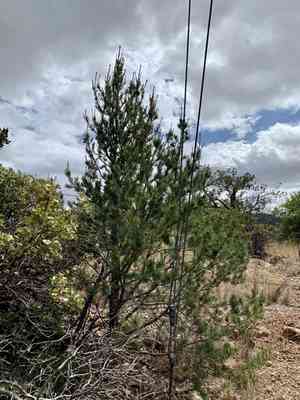
Mexican pinyon (Pinus cembroides)
Also known as: Mexican nut pine
The **Italian Stone Pine** (*Pinus pinea*) is an evergreen tree that typically reaches heights of 15 to 20 meters and features an aesthetically pleasing conical shape in its youth. This tree produces edible seeds, commonly known as pine nuts, which mature in the fall. It thrives in full sunlight, is drought-resistant, and requires minimal watering, making it a resilient choice for various landscapes.
In This Article
Attributes of Mexican pinyon
Lifespan
Perennial
Plant Type
Tree
Plant Height
6 m to 9 m
Spread
4.5 m to 6 m
Leaf Color
Green
Flower Size
N/A
Flower Color
Purple Brown
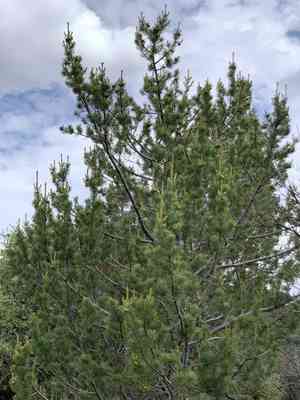
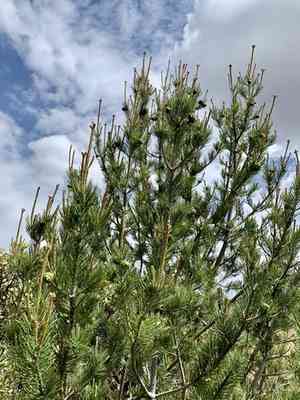
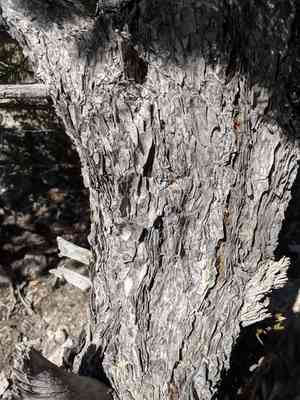
Images of Mexican pinyon
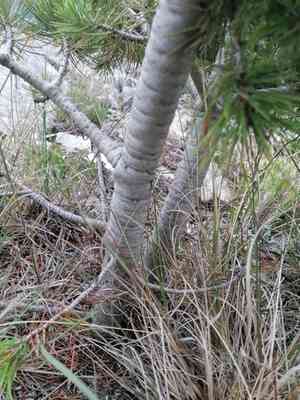
Quickly Identify Mexican pinyon
1
Pinus cembroides can be identified by its small, rounded crown, blue-green needles in clusters of three, and small, edible pine nuts. The cones are relatively small and have thick, tough scales.
Scientific Classification of Mexican pinyon
Phylum
Vascular plants
Class
Conifers
Order
Pinales
Family
Pine
Genus
Pines
Species
Mexican pinyon
Planting and Growing of Mexican pinyon
Care Difficulty
Easy
Watering Schedule
Every 2 days
Sunlight Requirements
Full sun
Sunshine Duration
6-10 hours
Ideal Temperature
50-80℉
Soil Type
Potting Mix, Peat Mix
Soil pH
6.5-7.5
Fertilizer Type
Balanced
Pruning Season
Spring, Summer
Pruning Area
Branches, Leaves
Pruning Frequency
2 times a year
Repotting Season
Spring
Pot Type
Plastic, Ceramic
 How to Water Mexican pinyon?
Pinus cembroides appreciates a careful balance when it comes to watering. Aim to soak the soil thoroughly but ensure excess water drains well. Typically, 500 ml of water per session is adequate, making sure the soil is moist but not waterlogged.
What are the symptoms of an underwatered Mexican pinyon?
›
What should I do if my Mexican pinyon is not getting enough water?
›
What are the symptoms of an overwatered Mexican pinyon?
›
How to save an overwatered Mexican pinyon?
›
 What Are the Sunlight Requirements for Mexican pinyon?
Pinus cembroides thrives in full to partial sun environments. Proper light exposure fuels photosynthesis, ensuring vigorous growth and strong structural integrity.
More About Sunlight Requirements Techniques→
How much light is ideal?
›
How to achieve ideal lighting conditions?
›
What are the benefits of ideal lighting?
›
 What Is the Ideal Temperature Range for Mexican pinyon?
The ideal temperature range for Pinus cembroides is from 50°F to 80°F. Within this range, the tree can efficiently photosynthesize, absorb nutrients, and display optimal growth. Maintaining these temperatures ensures healthy foliage and strong structural development.
 What Soil is Best for Mexican pinyon?
Pinus cembroides thrives in well-draining soils. Ensuring proper drainage prevents root rot and promotes healthy growth, as this plant does not tolerate waterlogged conditions well. This pine prefers soils that have moderate nutrient levels. While it doesn't require highly fertile grounds, a balanced supply of essential nutrients helps it develop robust foliage and cones. The ideal soil texture for Pinus cembroides is sandy loam. The combination of sand and loam offers an adequate balance of air and water flow, which is crucial for its roots to spread effectively.
 How to Fertilize Mexican pinyon?
Pinus cembroides, commonly known as Mexican pinyon, benefits from moderate fertilization. For liquid fertilizers, a concentration of 1 teaspoon per gallon of water is effective. When using slow-release fertilizers, 1/4 cup per tree is generally appropriate. This ensures balanced growth without overburdening the soil with excess nutrients.
 How to Prune Mexican pinyon?
Begin by closely examining the Pinus cembroides to identify any branches that are dead, diseased, or damaged. These should be prioritized for removal to promote the health and aesthetic of the tree. The best time to prune Pinus cembroides is in spring or summer, as this is when the tree is not actively growing. This reduces stress and prevents sap loss, which can attract pests or disease. Make cuts at a 45-degree angle away from the bud or branch to ensure the best healing and growth. Proper angles help water run off the cut surfaces, reducing the risk of rot.
More About Pruning Techniques→
 How to Propagate Mexican pinyon plant?
1
Collect mature seeds from Pinus cembroides cones when they turn brown and dry. Dry the seeds thoroughly to prevent mold and ensure viability before planting.
2
Cold stratify the seeds by placing them in a damp paper towel inside a plastic bag. Keep them in the refrigerator for about 6-8 weeks. This simulates the natural cold period they would experience outdoors.
3
After stratification, sow the seeds in a seed tray filled with potting mix. Cover them lightly with soil, as too much depth can hinder germination. Maintain consistent moisture without waterlogging.
 How to Repot Mexican pinyon plant?
1
Repot Pinus cembroides when it shows signs of root binding, such as new growth slowing or roots protruding from the drainage holes. Early spring or early autumn is ideal, as the plant can recover more efficiently in mild temperatures.
2
Select a slightly larger pot with adequate drainage holes to accommodate the root ball's growth. A pot that is too large may encourage moisture retention, which could lead to root rot. Proper drainage helps maintain healthy roots and avoids excess moisture issues.
3
Opt for a well-draining sandy loam soil, enhanced with grit or perlite to improve aeration. This soil mix mimics the natural habitat of Pinus cembroides, ensuring that roots stay healthy, aiding proper water retention while preventing soggy conditions.



