How Much Sunlight Do Mexican pinyon Need?
1
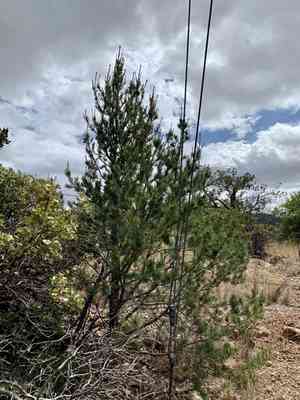
Mexican pinyon flourishes in bright, direct sunlight, though it can endure some shade.
2
Target a minimum of six hours of direct sun each day for best development.
3
Insufficient light manifests as stunted growth and discolored needles.
Grasping the Sunlight Needs of Mexican Pinyon
Natural Environment and Light Exposure
The Mexican pinyon, indigenous to Mexico's highlands and the southwestern U.S., is adapted to flourish in areas with ample sunshine. This resilient tree evolved under open skies, receiving abundant daily sunlight for efficient photosynthesis. Understanding its native habitat offers key insights into its light requirements when cultivated in gardens or landscapes.
Photosynthesis and Light Absorption
Photosynthesis is vital for the Mexican pinyon, as it is for all plants. This process, converting light energy into chemical energy, operates most effectively under direct sunlight. The pinyon's needles are skilled at capturing sunlight, which then fuels the production of nutrients essential for growth and development. Insufficient sunlight can stunt the tree's growth and prevent its characteristic dense foliage.
Optimal Sunlight Conditions for Mexican Pinyon
Full Sun Versus Partial Shade
While the Mexican pinyon thrives best in full sun, requiring unrestricted direct sunlight for most of the day, it can endure partial shade. Full sun typically means at least 6 hours of direct sunlight daily. However, in regions where full sun might be too intense, especially mid-summer, providing some afternoon shade can help prevent potential heat stress.
Daily Sunlight Duration
For peak growth, the Mexican pinyon should receive a minimum of 6 to 8 hours of direct sunlight each day. During the active growing season, aim for the higher end of this range to promote healthy development and robust needle production. In winter months, when sunlight is less intense and days are shorter, ensuring at least 4 to 6 hours of sunlight can still support the treeâs slower growth phase.
Ensuring Adequate Sunlight for Mexican Pinyon
Planting Site Recommendations
Select a planting location that offers maximum sunlight exposure. Open areas with minimal obstruction from structures, other trees, or large shrubs are ideal. If planting multiple Mexican pinyons, space them appropriately to avoid competition for light. In extremely hot regions, consider a spot that provides some afternoon shade to shield the tree from potential sunburn.
Utilizing Sunlight Measurement Tools
To guarantee your Mexican pinyon gets the right amount of sunlight, you can employ sunlight measuring devices. Tools like light meters can help assess the intensity and duration of sunlight in a specific spot. Mobile applications are also available to track daily sunlight exposure, helping you choose the optimal location for your tree.
Indicators of Insufficient or Excessive Sunlight
Symptoms of Inadequate Sunlight
If your Mexican pinyon isn't receiving enough sunlight, you might observe several signs. These can include yellowing or fading needles, slower-than-normal growth, and a sparse, unhealthy appearance. The tree may also become more vulnerable to pests and diseases due to weakened vigor. If these symptoms appear, consider moving the tree to a sunnier location.
Signs of Too Much Sunlight
While the Mexican pinyon loves sun, excessive sunlight, particularly in very hot climates, can cause harm. Symptoms of too much sunlight include scorched needles that turn brown and appear dry. During extreme heatwaves, providing temporary shade during the hottest part of the day can help prevent damage.
Adapting Mexican Pinyon to Various Environments
Transitioning from Indoor to Outdoor Settings
If you've started your Mexican pinyon indoors, it's crucial to acclimate it to outdoor conditions. Begin by placing the tree outside for a few hours daily, gradually increasing its outdoor time over several weeks. This process, known as hardening off, helps the tree adjust to variations in light intensity, temperature, and wind, ensuring a smoother transition to its permanent outdoor spot.
Adjustments for Seasonal Variations
Seasonal changes significantly impact sunlight availability and intensity. During spring and summer, ensure your Mexican pinyon is well-watered to support its growth under increased sunlight. In fall and winter, while sunlight exposure decreases, avoid drastic changes by continuing to provide as much natural light as possible. Positioning the tree in a south-facing area can maximize sunlight during shorter days.



