How to Prune Mexican pinyon?
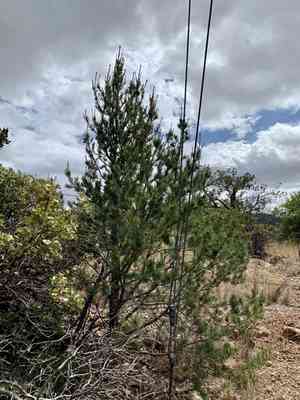
This perennial coniferous tree flourishes in dry environments. For mexican pinyon, conduct pruning in the winter while the plant is inactive to reduce the outflow of sap and the potential for illness. Eliminate any lifeless or infected limbs, thin out crowded sections to allow more sunlight to reach through, and sculpt the canopy, preserving its inherent shape. Refrain from extensive cutting to avoid harming this slow-developing plant. Trimming improves air movement, decreases insect problems, and can boost the yield of nuts, which is crucial for species that depend on its seeds.
What Are the Benefits of Pruning Mexican Pinyon?
What Are the Benefits of Pruning Mexican Pinyon?
Trimming mexican pinyon promotes robust development and helps keep its desired form. This vital upkeep ensures peak health and visual appeal, while also potentially boosting cone yield.
What Is the Best Time for Pruning Mexican Pinyon?
What Is the Best Time for Pruning Mexican Pinyon?
Trimming mexican pinyon during the colder months is ideal because the plant is typically dormant. This dormant period means less stress for mexican pinyon as it uses minimal energy while growth processes are slow. Pruning at this time encourages a healthy growth response in the spring, as the plant exits its dormant state ready to direct resources to new growth where cuts have been made. Additionally, without leaves, the structure of mexican pinyon is more visible, allowing for more precise and effective pruning. This timing also avoids the sap flow period of late winter and early spring, which can cause excessive bleeding and increase susceptibility to diseases. Winter pruning helps to prevent issues with pests and diseases that are more active during warmer months.
What Tools Do I Need to Prune Mexican Pinyon?
Hand Pruners
Perfect for making precise cuts on young, green branches of mexican pinyon that are less than 3/4 inch in diameter. By choosing bypass pruners with curved blades that pass by each other like scissors, one can ensure clean cuts that promote healthy regrowth.
Loppers
Best for cutting branches between 3/4 inch and 1-1/2 inches in diameter on mexican pinyon. Their long handles provide leverage to cut through thicker branches without causing damage to the collar or surrounding bark.
Pruning Saw
Essential for removing larger limbs of mexican pinyon that exceed 1-1/2 inches in diameter. A sharp pruning saw with coarse teeth is ideal for making clean cuts on larger branches, helping to prevent tearing and ensure proper healing.
Pole Pruner
Useful for reaching higher branches of mexican pinyon that cannot be safely accessed with a ladder. This tool combines a saw and a lopper mechanism on an extendable pole, making it easier to trim branches at height.
How to Prune Mexican Pinyon
Clean tools
Before starting, ensure all cutting tools are sharp and sterilized to prevent the spread of disease.
Identify
Examine mexican pinyon closely to identify dead or diseased branches. These will often have a different color, lack of foliage, or visible signs of infection.
Cut dead branches
Using a pruning saw, cut dead branches at the point where they meet healthy living tissue, making the cut just outside the branch collar without damaging it.
Remove diseased branches
Carefully remove diseased branches, cutting well into the healthy tissue to ensure all infected parts are removed. Collect and dispose of these branches immediately to prevent further contamination.
Final inspection
Perform a final inspection to ensure no dead or diseased material remains and to verify that the cuts are clean and properly made to facilitate mexican pinyon's natural healing process.
Common Pruning Mistakes with Mexican Pinyon
Overpruning
Removing too much foliage which can stress mexican pinyon, leading to weakened defenses against pests and diseases, and potentially reducing the plant's vigor and cone production.
Cutting into old wood
Pruning into the old wood of mexican pinyon where there is no green foliage. This can be detrimental as mexican pinyon typically does not regenerate from old wood, and this might leave unsightly gaps or hinder normal growth.
Improper cut location
Making cuts too far from a bud or branch can result in stubs that are susceptible to disease and pests. Conversely, cuts too close can damage the bud or branch collar, impairing healing.
Flush cutting
Making flush cuts against the trunk or main branches should be avoided. This can damage the trunk and larger limbs, preventing natural healing processes and inviting disease.
Random cutting
Pruning without a clear goal or plan may lead to unbalanced growth or damage to mexican pinyon's natural shape and structural integrity.
Common Pruning Tips for Mexican Pinyon
Selective thinning
Focus on removing only the necessary branches to maintain the plant's natural form and improve air circulation. This will help mexican pinyon grow stronger and healthier.
Clean tools
Always use clean, sharp pruning tools. This ensures clean cuts that heal quickly and reduces the risk of transmitting diseases between plants.
Prune damaged limbs
Prioritize the removal of dead, damaged, or diseased limbs to help maintain mexican pinyon's health and to prevent the spread of pests and diseases.
Maintain natural shape
When pruning, strive to maintain the natural conical shape of mexican pinyon. Over-pruning the top or sides can lead to a less aesthetically pleasing appearance and potentially affect the plant's health.
Follow branch collars
Cut just outside the branch collar, avoiding damaging the trunk. This will help mexican pinyon heal more effectively after pruning.



