How to Transplant Boldo?
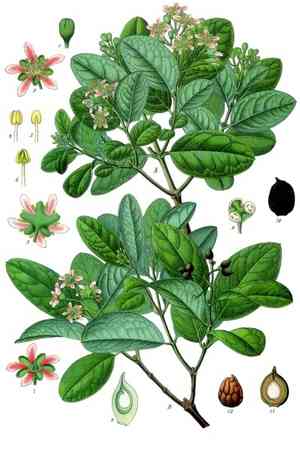
The optimal period for relocating boldo is during the gentle warmth of late spring transitioning into early summer, which facilitates root development. Select a location that receives abundant sunlight and offers good drainage. Careful handling and generous watering after the transplanting process will encourage a seamless adaptation.
What Preparations are Needed Before Transplanting Boldo?
What is the Ideal Time for Transplanting Boldo?
The optimal period for moving boldo is during the mild conditions of 'late spring to early summer'. This timeframe, characterized by moderate temperatures and ample daylight, offers boldo the perfect environment to develop a strong root system prior to the peak summer heat. Relocating at this point allows the plant sufficient time to adjust to its new spot, fostering a healthier and more resilient boldo. By selecting this favorable season, you are setting boldo up for success, ensuring it thrives in its new home.
How Much Space Should You Leave Between Boldo Plants?
Greetings, gardening enthusiast! When preparing to rehouse boldo, remember to provide them with adequate room. Position them approximately 24-39 inches (60-100 cm) from one another. This spacing allows boldo ample area to expand and flourish!
What is the Best Soil Mix for Boldo Transplanting?
Ready to get your hands dirty? For boldo, utilize a soil that drains well and is abundant in organic material. Before planting, incorporate some compost or a balanced slow-release fertilizer to give boldo a nutritional boost. This will establish an excellent foundation for your new green companions.
Where Should You Relocate Your Boldo?
Remember, boldo thrives in sunlight! Locate a spot where your plant can absorb full sun for a happy existence. If you reside in a very hot climate, a bit of afternoon shade will prevent boldo from getting scorched. Aim for a location that receives sunlight for most of the day.
What Equipments Should You Prepare Before Transplantation Boldo?
Gardening Gloves
To safeguard your hands while handling soil and plants.
Spade or Shovel
For excavating around and beneath boldo's root ball.
Hand Trowel
For smaller digging tasks and refining the planting cavity.
Watering Can or Hose
To hydrate boldo before and after its relocation.
Pruning Shears
To trim any damaged or excessively long root structures.
Wheelbarrow
To transport boldo and soil from one place to another.
Measuring Tape
To verify the planting hole's appropriate dimensions.
Garden Fork
To loosen and aerate the soil at the new planting site.
How Do You Remove Boldo from the Soil?
How Do You Remove Boldo from the Soil?
From Ground: Start by thoroughly irrigating boldo to moisten the earth, facilitating an easier removal process. Use a spade or shovel to dig a wide circle around boldo, ensuring sufficient distance from the base to avoid cutting into the root ball. Gently work the shovel beneath the root ball, rocking it to loosen without harm, then lift boldo from the ground.From Pot: Water boldo thoroughly to help the root ball slide out of the container more easily. Tilt the pot sideways and gently tap it to dislodge the plant. You might need to squeeze plastic pots or run a hand trowel along the soil's edge to help free the roots. Carefully lift boldo while supporting the root ball, avoiding pulling on stems or leaves.From Seedling Tray: Water the seedlings first to ensure soil cohesion. Use a hand trowel or similar tool to loosen the soil around the edge of the seedling tray cell. Gently grasp the base of boldo's stem and ease the plant upwards, supporting the root mass to prevent it from breaking apart.
Step-by-Step Guide for Transplanting Boldo
Preparation
Before extracting boldo from its initial spot, confirm your new planting location is ready. Clear any weeds and debris, and loosen the soil in the area where boldo will be placed.
Root Ball Handling
Carefully lift boldo by its root ball using both hands to support its weight and prevent undue stress on the roots.
Transport
Place boldo in a wheelbarrow or carry it to the new site. Avoid harming the plant's stems and leaves during transit.
Hole Digging
Excavate a hole at the new location that is twice as wide and the same depth as the root ball. Use the measuring tape to confirm dimensions.
Soil Adjustment
If needed, add some native soil back into the hole to ensure boldo's root ball will be at its original growing level. This helps prevent water accumulation and root rot.
Placing boldo
Gently position boldo in the center of the prepared hole, ensuring it stands upright and straight.
Backfilling
Carefully refill the hole with native soil, gently firming it around the root ball to remove air pockets. Do not over-compact as this can impede root growth.
Watering and Settling
Water boldo thoroughly after planting to settle the soil around the root ball and to help alleviate transplant shock.
How Do You Care For Boldo After Transplanting?
Initial Watering
It's crucial to provide boldo with ample water immediately after transplanting to aid root establishment in its new environment.
Monitoring
Observe boldo closely for the first few weeks, checking for indicators of stress such as wilting or discolored foliage.
Mulching
Apply a layer of mulch around boldo's base, leaving some space around the stem. This helps retain moisture and regulate soil temperature.
Pruning
Trim any broken or damaged branches to encourage healthy growth and reduce the risk of disease.
Support
If boldo is tall or has a sprawling growth habit, stake it to prevent wind damage and promote upright development.
Regular Check-ups
Periodically assess the plant's progress, ensuring it is adapting well to its new surroundings.
Troubleshooting Common Issues with Boldo Transplantation.
When is the best time to transplant boldo?
The optimal period is late spring to early summer when the weather is stable and warm.
How far apart should I space boldo when transplanting?
Space them 24-39 inches (60-100 cm) apart to ensure sufficient room for development.
Why are my transplanted boldo leaves turning yellow?
Yellowing foliage may indicate excessive watering or poor drainage. Check soil moisture and adjust irrigation.
What soil conditions are best for transplanting boldo?
Utilize well-draining soil rich in organic matter to ensure ideal conditions for boldo.
Should I prune boldo before transplanting?
Minor pruning can help lessen transplant shock by balancing root loss and top growth.
How often should I water boldo after transplanting?
Water boldo regularly to keep the soil consistently moist but not saturated during establishment.
My boldo wilts after transplanting; what should I do?
Ensure the plant is not in direct sun immediately after transplanting. Provide shade and water.
What depth should I plant boldo when transplanting?
Plant boldo at the same depth it grew in its previous location to prevent stem rot.
Can I transplant boldo during hot weather?
It's best to avoid extreme heat. If necessary, transplant during cooler hours and water thoroughly.
Why isn't my transplanted boldo growing?
Slow growth can result from transplant shock. Allow it time and provide care for recovery.



