How to Prune Boldo?
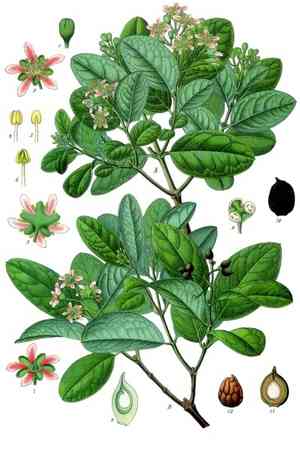
Originating from the Andean area of South America, this perennial woody plant is recognized for its fragrant foliage and application in folk remedies. To achieve peak vitality and form, boldo ought to be trimmed in the dormant period of winter. Essential pruning methods involve excising deceased or ailing limbs and reducing crowded sections to foster better air movement. Deliberate shaping can stimulate a more compact development. Pruning aids boldo by encouraging fresh development, boosting leaf output, and averting the dissemination of plant ailments.
Advantages of Trimming Boldo
Advantages of Trimming Boldo
Trimming boldo stimulates robust development and helps maintain its desired form. Strategic cutting back fosters a healthier structure and revitalization, crucial for the plant's longevity and visual appeal.
Optimal Time for Trimming Boldo
Optimal Time for Trimming Boldo
Trimming in late winter aligns with boldo's dormant phase, minimizing stress and disease risk. This timing prevents sap loss, which can be more significant in spring and summer. It also allows boldo to recover and produce new shoots effectively with spring's arrival, promoting vigor and health without disrupting flowering or fruiting cycles.
Required Tools for Trimming Boldo
Hand Pruners
Perfect for cutting small branches under 3/4 inch in diameter, ensuring clean cuts without harming boldo's smaller stems.
Loppers
Best for reaching into shrubs and precisely cutting branches up to 2 inches in diameter; essential due to boldo's dense growth habit.
Pruning Saw
Necessary for larger branches over 2 inches thick that hand pruners or loppers cannot manage; ensures clean cuts on boldo without tearing the bark.
Hedge Shears
Useful for uniformly shaping boldo's outer foliage, especially beneficial for maintaining the shrub's desired form.
Pruning Gloves
Crucial for protecting hands from thorns and rough bark while trimming boldo.
Garden Scissors
Helpful for refining and trimming small, soft growths or dead leaves on boldo for a neat plant appearance.
How to Trim Boldo
Clean Tools
Before trimming boldo, sterilize pruning tools with isopropyl alcohol or a bleach solution to prevent disease transmission.
Identify
Carefully inspect boldo to locate dead or diseased branches. These often appear discolored, withered, or may show signs of fungal growth or insect damage.
Cut Dead Branches
Using sharp pruning shears, make clean cuts to remove dead branches just beyond the branch collar. Avoid damaging the collar to promote proper healing.
Cut Diseased Branches
Trim diseased branches on boldo by cutting at least 6 inches into healthy wood to ensure all affected parts are removed. Dispose of diseased material immediately and away from healthy plants.
Sanitize
After trimming boldo, sanitize all pruning tools again to avoid transmitting pathogens to other plants or future cuts on boldo.
Common Trimming Errors with Boldo
Excessive Pruning
Removing too much foliage from boldo can stress the plant, leading to stunted growth or even death. It's vital to trim no more than a third of the plant at any given time.
Incorrect Cut Placement
Cutting either too close to the bud or too far from it can impair boldo's healing ability and growth patterns. Proper cuts should be made just above a leaf node and at a 45-degree angle.
Using Dull Tools
Dull pruning tools can cause jagged cuts, increasing the risk of disease and pest infestation. Sharpen pruning tools regularly to ensure clean cuts.
Ignoring Diseased Limbs
Failing to identify and remove diseased or damaged limbs can allow disease to spread to healthy parts of boldo. It's important to check for and remove any diseased limbs during trimming.
Improper Pruning Shape
Forcing boldo into an unnatural shape through trimming not only compromises its health but also affects its natural form and aesthetic appeal.
Neglecting Tool Cleanliness
Not cleaning pruning tools before and after use can transfer pests and diseases from affected plants to healthy ones.
General Trimming Advice for Boldo
Selective Pruning
For boldo, selectively remove older branches to encourage new growth and better air circulation within the canopy. Focus on thinning rather than topping.
Safety First
Wear gloves and use appropriate tools when trimming boldo to prevent injury from its stiff, pointed leaves.
Encouraging Flowering
To maximize flowering, cut back the tips of branches that have already bloomed, which encourages boldo to allocate energy towards new flowers.
Maintain Shape And Size
Regularly trim boldo to maintain its desired size and shape, but remember to adhere to the one-third rule, never removing more than a third of the plant at once.
Post-Bloom Pruning
After boldo has finished flowering, trim to shape the plant and remove any spent flowers, which will encourage a tidier appearance.
Monitor Plant Response
After trimming boldo, observe the plant's reaction. Healthy new growth is a good indicator that the pruning was successful and well-received.



