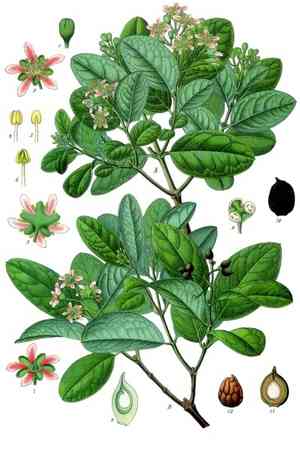
Boldo (Peumus boldus)
Also known as: Boldu
The Boldo tree (Peumus boldus) is valued for several reasons:
1. **Wood**: The hardwood of the Boldo tree is utilized in carpentry and furniture making due to its durability.
2. **Dye**: The bark of the Boldo tree can be processed to produce a natural dye.
3. **Essential Oil and Alkaloids**: Boldo leaves are a source of essential oil and contain the alkaloid boldine, which is used for its potential health benefits.
4. **Ornamental Use**: Occasionally, Boldo trees are cultivated for ornamental purposes, primarily in botanical gardens for their aesthetic appeal.
These diverse uses highlight the ecological and economic significance of the Boldo tree.
In This Article
Attributes of Boldo
Lifespan
Perennial
Plant Type
Tree, Shrub
Plant Height
1.8 m to 5 m
Spread
2.5 m
Leaf Color
Green
Flower Size
2.5 cm
Flower Color
Yellow White Cream
Images of Boldo
Quickly Identify Boldo
1
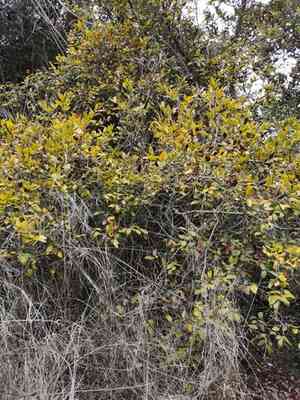
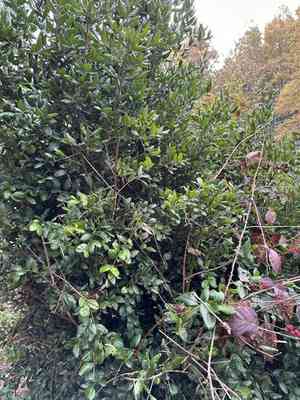
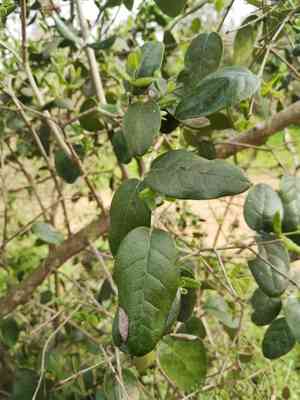
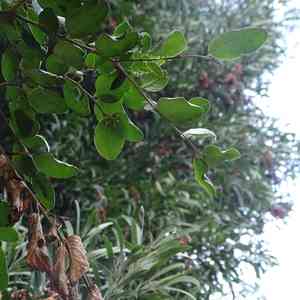
Peumus boldus can be recognized by its oval, leathery leaves with a distinct, slightly wrinkled appearance and a strong, spicy aroma. The leaves are green to dark green and have prominent veins. Flowers are small, white, and typically inconspicuous.
Scientific Classification of Boldo
Phylum
Vascular plants
Class
Dicotyledons
Order
Laurales
Family
Monimia
Genus
Peumus
Species
Boldo
Planting and Growing of Boldo
Care Difficulty
Moderate
Watering Schedule
Every 3 days
Sunlight Requirements
Partial sun
Sunshine Duration
6-10 hours
Ideal Temperature
60-75℉
Soil Type
Potting Mix, Peat Mix
Soil pH
6.5-7.5
Fertilizer Type
Balanced
Pruning Season
Spring, Summer
Pruning Area
Branches, Leaves
Pruning Frequency
2 times a year
Repotting Season
Spring
Pot Type
Plastic, Ceramic
 How to Water Boldo?
Peumus boldus, commonly known as the Boldo tree, thrives on minimal yet consistent watering. Ideally, you'll want to water the plant with 300 ml each time, ensuring the soil remains moist but not soggy. Overwatering should be avoided as root rot can easily develop. Water just enough until the water drains slightly from the bottom of the plant's container.
What are the symptoms of an underwatered Boldo?
›
What should I do if my Boldo is not getting enough water?
›
What are the symptoms of an overwatered Boldo?
›
How to save an overwatered Boldo?
›
 What Are the Sunlight Requirements for Boldo?
The ideal light range for Peumus boldus is partial sun. This range allows the plant access to morning light with protection from harsh afternoon rays. Ideal lighting ensures robust growth, vibrant foliage, and enhances the plant's aromatic qualities.
More About Sunlight Requirements Techniques→
What is the ideal amount of sunlight for Peumus boldus?
›
How can you ensure Peumus boldus receives ideal lighting?
›
What benefits does Peumus boldus gain from ideal lighting?
›
 What Is the Ideal Temperature Range for Boldo?
The ideal temperature range for Peumus boldus cultivation is between 60°F and 75°F. This range provides optimal conditions for growth, ensuring that the plant's metabolic processes function efficiently. Consistently maintaining this temperature range promotes healthy foliage and robust growth.
 What Soil is Best for Boldo?
Peumus boldus thrives in nutrient-rich soils that support its robust growth and vibrant foliage. Well-fertilized soil enhances the plant's resilience and overall health, promoting a higher yield of its valuable leaves. Ensuring the soil offers good drainage is crucial for Peumus boldus to prevent root rot. Proper drainage ensures that the plant’s roots access sufficient oxygen, supporting its vigor and longevity, especially in areas with heavy rains. The soil should retain moderate moisture, offering a balance that keeps the roots hydrated without waterlogging them. This helps maintain the plant's lush appearance and can result in a more ample harvest of its medicinal leaves.
 How to Fertilize Boldo?
Peumus boldus thrives with balanced fertilization. When using liquid fertilizers, apply around 5ml per liter of water, ensuring the nutrients dissolve completely. For slow-release fertilizers, distribute approximately 30 grams per square meter near the root zone to support healthy growth.
 How to Prune Boldo?
Use clean, sharp pruning shears or scissors to avoid crushing the stems. This ensures a clean cut which promotes faster healing and reduces the risk of disease. Begin by removing any dead, damaged, or diseased branches. These branches should be cut back to their base or the nearest healthy node to prevent any disease from spreading. Trim back overgrown branches to maintain the desired size and shape. Be mindful of the plant’s natural form and avoid over-pruning, which can stress the plant. To stimulate bushier growth, trim the tips of the branches. This will encourage the plant to grow more lateral branches, making it look fuller and healthier.
More About Pruning Techniques→
 How to Propagate Boldo plant?
1
Collect seeds from mature fruits of Peumus boldus. It's crucial to select healthy and ripe seeds for a higher germination rate.
2
Take cuttings from healthy branches in spring. Make sure each cutting is about 10 cm long and has several nodes.
3
Plant seeds or cuttings in a well-draining soil mix. Water consistently but avoid waterlogging, which can lead to root rot.
 How to Repot Boldo plant?
1
Repotting Peumus boldus should be based on visible signs like roots protruding from drainage holes or the plant becoming top-heavy. These signs indicate the plant is outgrowing its current pot and needs more space for root development.
2
Select a pot just one size larger than the current one with adequate drainage holes. This ensures sufficient space for root growth while preventing waterlogging, which can lead to root rot.
3
Opt for a soil mix rich in organic matter that drains well to prevent water retention, which boldus dislikes. A well-draining loam mix supports healthy root development and nutrient absorption.
Toxicity
Ingestion
WARNING
The judgment on toxicity and danger is for reference only. We DO NOT GUARANTEE any accuracy of such judgment. Therefore, you SHALL NOT rely on such judgment. It is IMPORTANT TO SEEK PROFESSIONAL ADVICE in advance when necessary.



