How Much Sunlight Do Boldo Need?
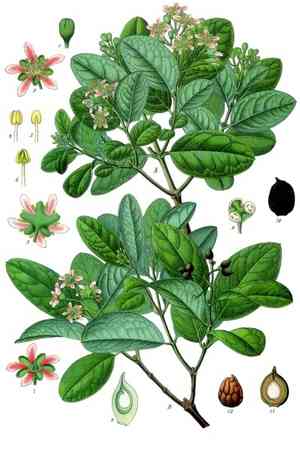
1
Boldo flourishes optimally with over six hours of direct sun exposure daily.
2
It endures conditions with some shade, though its growth might be less vigorous.
3
Periodically inspect for indications of sun damage or inadequate light to modify its position as needed.
Grasping Boldo's Light Requirements
What is the Optimal Light for Boldo?
To cultivate Boldo successfully, understanding its light needs is crucial. Boldo thrives in bright conditions, flourishing with ample light exposure. Ideally, this plant should receive over 6 hours of direct sun daily. Full sun encourages robust growth, richer foliage, and peak development. However, if this much light isn't available, Boldo can still survive in partial sun, though it won't reach its full potential in size and vitality.
Day Duration and Light Strength
The duration of daylight and the intensity of light are vital for Boldo's healthy development. During active growth periods, ensure the plant gets long daylight hours with sufficient light strength. If light intensity is too low, even with extended daylight, the plant may struggle. Monitoring and adjusting light conditions will help your Boldo absorb the necessary light for photosynthesis and vigorous growth.
Optimal Methods for Providing Boldo with Sunlight
Choosing the Correct Placement
To ensure your Boldo plant receives ideal sunlight, selecting the best location is key. Outdoor plants should be situated where they can enjoy unfiltered sun for most of the day. Typically, a south-facing spot is perfect in most U.S. regions. For indoor Boldo, placing it near a bright, sun-facing window, perhaps a southern exposure, will replicate outdoor light conditions.
Adapting to Seasonal Changes
As seasons shift, sun exposure varies. During winter, daylight hours shorten, and light intensity decreases. To compensate, you might need to move your Boldo to a brighter spot or use artificial lighting. Conversely, in summer, be careful if there's a significant increase in sun intensity, as too much direct light can cause leaf burn. Adjust the plant's position as needed to align with seasonal light variations.
Indicators of Excessive or Insufficient Sunlight
Symptoms of Too Much Sun Exposure
Overexposure to sunlight can harm Boldo. Signs of too much sun include scorched or yellowing leaves, and foliage that appears dried out or curled. If you notice these symptoms, try moving the plant to an area with less direct sun, or provide shade during the hottest parts of the day to shield it from intense UV rays.
Signs of Inadequate Sunlight
Conversely, insufficient sunlight is also detrimental to Boldo. Symptoms of too little sun include leggy growth, pale or yellow leaves, and stunted development. If your plant shows these signs, consider relocating it to a brighter spot, ensuring it gets the required daily sun hours. Sometimes, rotating the plant periodically can help equalize light exposure.
Supplementary Lighting for Indoor Boldo Plants
Types of Grow Lamps
When natural sunlight is insufficient, indoor gardeners can use grow lamps for supplementation. Several types of grow lamps are suitable for Boldo, including fluorescent, LED, and high-intensity discharge (HID) lights. LEDs are often the top choice due to their energy efficiency, low heat output, and ability to provide the full light spectrum plants need for photosynthesis and growth.
Positioning and Usage Advice
For best results, position grow lamps 12 to 18 inches (30 to 45 cm) above your Boldo plant. Ensure the lights are on for about 12-16 hours daily, mimicking natural daylight. Using a timer can help maintain a consistent light schedule. Remember to observe your plant regularly and adjust the distance and duration of light exposure based on its response to artificial lighting.



