How to Propagate Boldo?
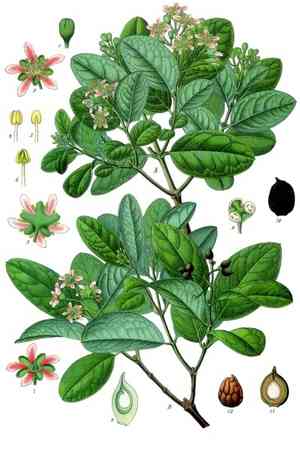
Originating from the Monimiaceae botanical group, boldo is a persistent woody plant recognized for its gastronomic and therapeutic uses. Reproduction is best accomplished via stem sections. Cultivators ought to collect semi-mature cuttings from robust specimens and guarantee a substrate that drains effectively to encourage root formation. To achieve peak development, sustain uniform hydration without oversaturation and offer a steady habitat protected from harsh conditions.
Optimal Time for Boldo Propagation
Propagation Method
Cutting
Propagation Period
Autumn,Winter
Tools for Boldo Propagation
Sharp Pruning Shears
Crucial for making clean, precise cuts on boldo stems, sharp pruning shears minimize damage and lower disease risk. A clean cut promotes higher success in root development from cuttings.
Rooting Hormone
This chemical helps stimulate root growth in boldo cuttings. Applying rooting hormone to the cut end of the cutting improves the chances of successful rooting, vital for boldo propagation.
Sterilized Potting Mix
Employing a sterile potting mix prevents the introduction of harmful pathogens to the cuttings. This medium offers the necessary support and environment for boldo cuttings to develop roots.
Propagation Trays
These trays are utilized to organize and maintain moisture around boldo cuttings. Their design helps retain adequate humidity and temperature, key factors for the rooting process.
Plastic Covers or Domes
Plastic covers or domes create a greenhouse-like environment over propagation trays, maintaining high humidity and stable temperatures, which are essential for boldo cuttings to successfully form roots.
Boldo Propagation Difficulty
Propagation Type
Moderately Difficult
Post-Propagation Care for Boldo
How to Care for Your Newly Propagated Boldo?
Once boldo cuttings have rooted, typically after a few weeks, gradually introduce them to less humid conditions by slightly opening the plastic cover or propagator daily. After full acclimation, water the plant regularly to keep the soil moist but not waterlogged, and place it in bright, indirect sunlight. Fertilize lightly with a balanced fertilizer during the growing season to support healthy growth. Protect boldo from extreme temperatures and ensure good airflow to prevent fungal diseases.
Common Errors in Boldo Propagation
Mishandling cuttings
Improper cutting techniques can lead to poor root development. Cuttings should be taken from healthy, non-flowering branches to encourage better rooting.
Over watering
Excessive water can cause root rot, especially in developing cuttings or seeds.
Neglecting humidity
Insufficient humidity can cause boldo cuttings to dry out before rooting, as they require a fairly humid environment to thrive.
Planting depth
Planting seeds or cuttings too deep can hinder their ability to sprout and grow successfully.
Neglecting cleanliness
Using dirty tools or containers can introduce pathogens that may harm boldo, leading to poor propagation outcomes.
Boldo Propagation Advice
Clean cut
Using a sharp, sterilized tool for cuttings ensures a clean cut that heals quickly and avoids infections.
Appropriate moisture
Maintain consistent moisture for cuttings and seeds, but avoid overwatering. Aim for damp, not soggy, soil.
Humidity control
Create a humid microclimate for cuttings by covering them with a clear plastic bag or using a propagator to retain moisture.
Correct depth
Plant seeds and position cuttings at the correct depth. Cuttings should have at least one node buried, while seeds should be superficially sown according to their size.
Sterilized environment
Sterilize pots, soil, and tools before use to reduce the risk of disease, giving boldo the best start possible.



