How to Transplant Beefsteak plant?
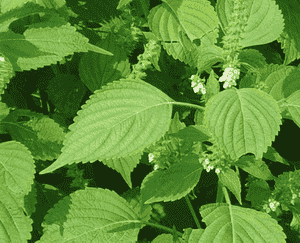
The ideal period to relocate your beefsteak plant is during the mild conditions of late spring, once any danger of frost has concluded. Select a bright spot with soil that drains effectively to encourage peak development. Carefully loosen the root mass prior to replanting, and ensure sufficient hydration for a seamless adjustment.
What Preparations are Needed Before Transplanting Beefsteak Plant?
What is the Ideal Time for Transplanting Beefsteak Plant?
The best time to move beefsteak plant is late spring. Relocating at this point ensures optimal growing conditions, providing the plant with ample sunlight and warm soil, which beefsteak plant thrives on. This timing perfectly matches their unique growth cycle, allowing beefsteak plant to flourish. Waiting until the end of spring not only contributes to the health of beefsteak plant but also enhances your garden's appearance.
How Much Space Should You Leave Between Beefsteak Plant Plants?
When transplanting beefsteak plant, ensure ample room for growth by leaving 8-12 inches (20-30 cm) between each plant. This spacing will allow them to thrive and prevent root competition.
What is the Best Soil Mix for Beefsteak Plant Transplanting?
Before transplanting beefsteak plant, prepare the soil using well-draining, loamy soil mixed with organic matter, such as compost or aged manure. You can also apply a balanced, slow-release fertilizer to provide essential nutrients for healthy growth.
Where Should You Relocate Your Beefsteak Plant?
To ensure optimal growth for your beefsteak plant, select a garden spot that receives full sun exposure for at least 6-8 hours daily. Remember that these plants are sensitive to frost, so choose a sunny, protected location for them.
What Equipments Should You Prepare Before Transplantation Beefsteak Plant?
Gardening Gloves
To protect your hands from dirt and potential injury while handling the plant and soil.
Trowel
To dig a hole in the ground, matching the size of the beefsteak plant's root ball, for transplanting.
Watering Can
To thoroughly water the transplant area before and after planting.
Garden Shears
Essential for removing damaged or dead leaves or branches that could negatively impact transplant success.
How Do You Remove Beefsteak Plant from the Soil?
How Do You Remove Beefsteak Plant from the Soil?
From the Ground: First, use the trowel to loosen the soil around the beefsteak plant, ensuring the tool isn't too close to the roots to keep the root ball intact. Once the soil around the plant is loose, carefully lift the beefsteak plant out of the ground.From a Pot: Before you begin, water the beefsteak plant. This moistens the soil and makes it easier for the roots to be released. Turn the pot sideways, hold the plant gently by the stems or leaves, and tap the bottom of its container until the plant slides out. Be careful and remember to support the plant's base and the root ball to prevent any damage.From a Seedling Tray: Gently hold the beefsteak plant at the base near the soil and carefully lift it. If it's a bit stubborn, use a spoon or similar utensil to loosen the soil surrounding the seedling, which will make it easier to lift out.
Step-by-Step Guide for Transplanting Beefsteak Plant
Inspect the Plant
Before transplanting, examine the beefsteak plant for any damage or disease. You want to work with a healthy plant to increase the success rate.
Prepare the New Location
Dig a hole in your chosen spot that's the right depth and width for the beefsteak plant's root ball. Generally, the hole should be twice as wide and just as deep as the pot or root ball of your plant.
Placement of the Plant
Gently place the beefsteak plant in the hole, ensuring the plant is at the same depth as before. Backfill the hole with soil, gently firming around the base.
Watering
Thoroughly water the beefsteak plant. If any settling occurs, add soil under the plant until it's at the proper level.
How Do You Care For Beefsteak Plant After Transplanting?
Regular Maintenance
The initial few weeks are crucial for the beefsteak plant's survival. During this period, you must care for it diligently, ensuring it receives adequate water without overdoing it.
Pruning
Trim away any leaves that become yellow or wilted after transplanting. This can help the newly transplanted beefsteak plant focus its resources on new root development.
Checking for Pests and Diseases
Be sure to ward off potential insect threats with appropriate organic or chemical treatments, always being careful not to harm the beefsteak plant.
Troubleshooting Common Issues with Beefsteak Plant Transplantation.
When is the best time to transplant the beefsteak plant?
The ideal time to transplant beefsteak plant is the latter part of spring, as it favors the plant's growth.
What's the recommended spacing while transplanting beefsteak plant?
When transplanting beefsteak plant, ideally give them a space about 8-12 inches (20-30 cm). It allows sufficient room for growth.
Do I need to prepare the soil before transplanting beefsteak plant?
Absolutely! For beefsteak plant, it's best to enrich the soil with well-rotted organic matter or compost prior to transplanting.
What's the preferred depth while transplanting beefsteak plant?
Plant beefsteak plant at the same depth they were in their original pots. This helps to prevent root exposure.
Why are my transplanted beefsteak plant wilting?
Beefsteak plant might wilt due to transplant shock. Regular watering, good soil, and avoiding direct midday sun can help them recover.
Can I transplant beefsteak plant under direct sunlight?
Beefsteak plant prefers partial shade to full sun. An area with more mild morning sun and shaded afternoon is ideal.
What should I do if my transplanted beefsteak plant is not growing well?
Ensure beefsteak plant has sufficient water, proper spacing, and rich soil. Bringing in a soil tester to check pH levels can help determine any deficiencies.
Are there any special care tips post-transplanting for beefsteak plant?
Continue watering beefsteak plant regularly and monitor its growth. If leaves show wilting or yellowing, adjust watering and sun exposure as necessary.
How soon can I expect my transplanted beefsteak plant to start flourishing?
Beefsteak plant usually begin to show signs of rapid growth about 2-4 weeks after being transplanted, given the right conditions.
How frequently should I water the beefsteak plant post-transplanting?
Water beefsteak plant deeply once or twice a week, letting the topsoil dry out between watering. Overwatering can harm the plant's roots.



