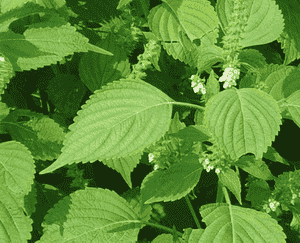
Beefsteak plant (Perilla frutescens)
Also known as: Perilla mint, Korean perilla
The Beefsteak plant, also known as Perilla frutescens, is a mint relative that originates from South Asia. It's favored in various gardens due to its edibility and its ability to attract butterflies. While its leaves emit a minty aroma, the oil derived from this plant boasts a nutty taste.
Attributes of Beefsteak plant
Images of Beefsteak plant
Quickly Identify Beefsteak plant
Scientific Classification of Beefsteak plant
Planting and Growing of Beefsteak plant
 How to Water Beefsteak plant?
 What Are the Sunlight Requirements for Beefsteak plant?
 What Is the Ideal Temperature Range for Beefsteak plant?
 What Soil is Best for Beefsteak plant?
 How to Fertilize Beefsteak plant?
 How to Prune Beefsteak plant?
 How to Propagate Beefsteak plant plant?
 How to Repot Beefsteak plant plant?
Toxicity of Beefsteak plant
Is Beefsteak plant toxic to cat?
The beefsteak plant presents a toxic hazard to cats that may inadvertently consume any portion of it. When exposed, a cat can display signs of physical discomfort, necessitating prompt veterinary intervention. Each part of the beefsteak plant is toxic, thus cats must be kept away from it entirely. If owners believe their cat has ingested any part of this plant, they should quickly obtain care at a veterinary clinic to mitigate possible health issues.
Is Beefsteak plant toxic to dog?
The beefsteak plant presents a significant toxicity risk for dogs. If a dog consumes any part of this plant, it faces the possibility of poisoning, since every portion is harmful to them. Dogs may inadvertently ingest the beefsteak plant while exploring outdoor environments or gaining access to areas where the plant is present. Signs of poisoning in dogs can manifest as gastrointestinal disturbances, respiratory issues, altered heart rate, and neurological symptoms, including tremors or seizures. It is essential for dog owners to remain alert and ensure that their pets do not have access to the beefsteak plant. Should a dog ingest any section of this plant, it is crucial to seek prompt veterinary assistance to guarantee the best outcome for the affected pet.



