How to Prune Beefsteak plant?
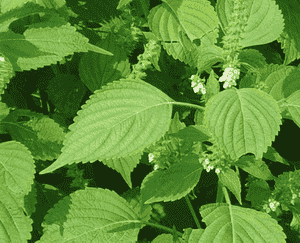
The beefsteak plant, recognized by its unique purple leaves, is frequently cultivated for both gastronomic and decorative uses. Essential trimming methods involve nipping off the ends to foster a denser form and eliminating any withered or excessively dense stalks to enhance airflow. The ideal period for trimming extends from early spring through late autumn, coinciding with its vigorous growth periods. Consistent pruning leads to a sturdier specimen, producing abundant foliage for gathering and diminishing the likelihood of ailments.
Advantages of Trimming Beefsteak Plant
Advantages of Trimming Beefsteak Plant
Trimming beefsteak plant promotes vigorous development and preserves its form, ensuring the plant stays healthy and visually appealing while maximizing garden space.
Optimal Time for Trimming Beefsteak Plant
Optimal Time for Trimming Beefsteak Plant
Early spring is ideal as beefsteak plant is in its initial growth phases, and trimming aids in stimulating new growth and shaping the plant. Trimming in late fall is effective since beefsteak plant has finished its growth cycle and is entering dormancy. Trimming at this time helps remove any dead or diseased foliage before winter, lowering the risk of disease and pest infestation. These periods ensure the plant's energy is directed towards healthy growth and recovery, avoiding stress during its active growing and flowering stages.
Tools Required for Trimming Beefsteak Plant
Bypass Pruners
Perfect for making clean, precise cuts on beefsteak plant's soft stems without harming plant tissues. These are especially useful for selectively removing leaves and small stems to encourage denser growth.
Gardening Shears
Crucial for shaping the plant and maintaining its desired dimensions, particularly when beefsteak plant becomes too dense and needs thinning for improved air circulation.
Snips
Convenient for deadheading or snipping off spent flowers of beefsteak plant, which may appear occasionally. They are also good for harvesting leaves as they allow for precision without disturbing adjacent foliage.
How to Trim Beefsteak Plant
Step1: Identifying Dead Plant Stems
Locate old or dead stems on beefsteak plant by looking for those that are brown, withered, and lack leaves or have dried leaves attached. These are the parts of the beefsteak plant that will need removal to encourage healthy growth and maintain a pleasant appearance.
Step2: Sterilizing Pruning Shears
Sanitize your pruning shears before you begin trimming beefsteak plant to prevent the spread of diseases. You can do this by wiping the blades with a cloth soaked in isopropyl alcohol or a solution of one part bleach to nine parts water.
Step3: Trimming Dead Stems at Base
Trim dead stems at their base where they meet healthy growth. Make a clean cut with the sterilized shears. Avoid leaving stubs, as these can become entry points for disease or pests. If the entire stem is dead, cut it at ground level.
Step4: Deadheading Old Flowers
Continue to inspect beefsteak plant for old flowers. These spent blooms can be found at the tips of the stems and may be faded or wilting. Removing these old flowers, a process known as deadheading, can promote further blooming and prevent unwanted seed dispersal.
Step5: Cutting Below Old Flower Heads
Cut the old flowers just beneath the flower head. If possible, make your cut directly above a leaf node or lateral branch. This is generally a good spot for new growth to emerge and helps beefsteak plant to maintain a compact and bushy shape.
Step6: Shaping Plant and Trimming for Growth
After trimming the dead stems and old flowers, assess the shape of beefsteak plant. If necessary, trim additional stems to even out the plant's shape and encourage a denser, more uniform growth habit. Always make cuts at a 45-degree angle to prevent water accumulation, which can lead to rot.
Step7: Disposing of Trimmed Material
Once you have finished trimming the necessary parts of beefsteak plant, clean up all the trimmed material. Dispose of the dead stems and spent flower heads to prevent any potential disease or pest issues from lingering in the garden.
Step8: Cleaning and Sterilizing Tools Post-Trimming
Rinse the tools used in trimming beefsteak plant with clean water and sterilize them again with alcohol or bleach solution before storing. This will ensure the tools are ready for the next trimming job and will not spread any disease to other plants.
Step9: Watering Plant After Trimming
Water beefsteak plant after trimming to help it recover from any stress caused by the trimming process. This will also help settle the soil around the roots and provide the plant with the necessary hydration for new growth.
Step10: Monitoring Plant for Post-Trimming Stress
Monitor beefsteak plant after trimming for any signs of stress or disease. Regularly check new growth and continue to trim as necessary throughout the growing season to maintain plant health and appearance.
Post-Trimming Care for Beefsteak Plant
Post-Trimming Care for Beefsteak Plant
Immediately after trimming beefsteak plant, ensure it's placed in a location with moderate light to prevent stress. Maintain consistent moisture and high humidity, without waterlogging. Monitor the surrounding temperature, ideal being 65-70°F. Apply a balanced liquid fertilizer to facilitate robust recovery. Regularly inspect beefsteak plant for signs of distress, such as wilted leaves or discoloration, indicating potential disease or pest issues. Act promptly with appropriate treatments if symptoms arise.
Common Trimming Mistakes with Beefsteak Plant
Over-Trimming Stress or Damage
Trimming too aggressively which can stress or damage beefsteak plant, potentially leading to reduced vigor or plant death.
Spread of Disease by Unsanitized Tools
Not sanitizing trimming tools before and after use, which risks spreading diseases to beefsteak plant or from one plant to another.
Improper Assessment of Growth Pattern
Trimming without assessing the plant's growth pattern, which may result in a loss of potential flowers or an unbalanced shape.
Common Trimming Tips for Beefsteak Plant
Sharp, Clean Cuts for Faster Healing
Use sharp, clean trimming shears to make clean cuts on beefsteak plant, which will help the plant heal faster and reduce the risk of disease.
Shape and Size Maintenance Trimming
Trim beefsteak plant to maintain its desired shape and size, removing any leggy or overgrown stems to encourage bushier, more compact growth.
Removing Unhealthy Foliage Promptly
Remove dead, damaged, or diseased foliage from beefsteak plant as soon as it's noticed to maintain the health and aesthetic of the plant.



