How to Propagate Beefsteak plant?
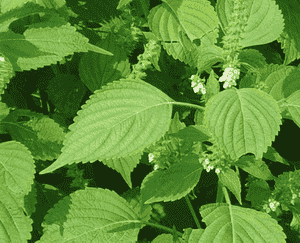
The Beefsteak plant generally reproduces by planting seeds in the springtime. Its propagation presents a moderate challenge, with indicators of success being vigorous young plants and robust root structures. Ensure a steady level of hydration for peak development.
Optimal Time for Beefsteak Plant Propagation
Propagation Method
Seeding
Propagation Period
Spring
Tools for Beefsteak Plant Propagation
Seed Starting Trays or Pots
These containers facilitate individual planting of beefsteak plant seeds; they offer the necessary framework to hold the growing medium and support young seedlings. Their size and depth are appropriate for the small beefsteak plant seeds, preventing them from being sown too deeply, which could hinder sprouting.
Seedling Heat Mat
This device maintains a consistent soil temperature, vital for beefsteak plant seed germination. By providing gentle warmth, it encourages the sprouting process, leading to a higher success rate and more uniform seedling development.
Misting Bottle or Gentle Watering Can
Ensures beefsteak plant seeds and seedlings receive moisture without strong water flow that might dislodge or further embed them in the soil. A misting bottle or a watering can with a fine rose attachment delivers the necessary gentle spray.
Grow Lights or Natural Light Source
Since beefsteak plant requires sufficient light after germination, grow lights can provide a steady light source, ensuring seedlings develop robust stems and leaves. If using natural light, placing trays in a south-facing window may suffice.
Seed Starting Mix
A sterile, nutrient-rich, and well-draining medium is ideal for germinating beefsteak plant seeds. It minimizes the risk of soilborne pathogens that could harm delicate seedlings.
Plastic Dome or Wrap
A cover creates a miniature greenhouse effect around the seed starting trays. It helps retain humidity and warmth around the beefsteak plant seeds, which is beneficial for germination and early growth stages.
Dibber or Small Stick
This tool aids in creating precise, shallow holes in the seed starting mix for the tiny beefsteak plant seeds. It is also useful for transplanting larger seedlings, minimizing root damage during the process.
How to Propagate Beefsteak Plant?
Propagation Method
Seeding
Difficulty Level
Easy
Caring for Your Newly Propagated Beefsteak Plant
Caring for Your Newly Propagated Beefsteak Plant?
Beefsteak plant thrives in full sun to partial shade and needs regular watering to keep the soil consistently moist. It prefers fertile, well-draining soil and benefits from occasional feeding during its active growth period. Shield young plants from strong winds and pests. Deadheading is not required, as beefsteak plant is not typically cultivated for its blooms. Pinch back tips to encourage bushier growth and harvest leaves as needed for culinary use or to maintain plant shape. Monitor for common pests and diseases, taking appropriate action if they appear. As an annual, beefsteak plant completes its life cycle in one season, but it may self-seed for subsequent years' growth.
Common Propagation Mistakes to Avoid with Beefsteak Plant
Overwatering
Excessive watering of beefsteak plant can lead to root rot, as it prefers well-drained soil. Soggy conditions often result in yellowing leaves, stunted growth, and ultimately plant demise.
Poor cutting selection
Choosing weak or unhealthy stem cuttings for propagation disregards the fact that only robust, disease-free cuttings can produce vigorous beefsteak plant plants, potentially leading to failure.
Ignoring light requirements
Insufficient light can cause leggy plants with weak stems, as beefsteak plant thrives in a sunny environment. However, overexposure to direct sunlight can also lead to scorched leaves and stress the plant.
Neglecting soil preparation
Planting beefsteak plant in unamended or low-quality soil can hinder root development and nutrient absorption, which are crucial for healthy growth and establishment.
Overfertilizing
Applying too much fertilizer can cause beefsteak plant to prioritize leaf growth over overall strength and vitality, making them vulnerable to pests and diseases.
Tips for Propagating Beefsteak Plant
Stem cutting technique
Using a sharp, clean tool to take stem cuttings ensures a precise cut that promotes better rooting and reduces the risk of disease infection for beefsteak plant.
Soil and container preparation
Preparing a well-draining potting mix and using clean containers helps provide an optimal root environment for beefsteak plant cuttings to establish.
Humidity maintenance
Maintaining a high humidity environment for beefsteak plant cuttings, such as using a plastic cover, can prevent excessive water loss and aid in the rooting process.
Moderate watering
Watering beefsteak plant sparingly and allowing the soil to dry slightly between waterings encourages strong root growth and prevents issues associated with overly wet conditions.
Observation and care
Regularly inspecting the beefsteak plant cuttings for signs of growth or distress allows for timely adjustments in care, such as increasing light exposure or adjusting watering frequency to meet the plant's needs.



