How to Transplant Beardlip penstemon?
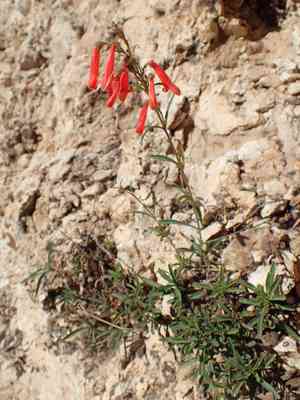
Optimal periods for relocating beardlip penstemon are from early to mid-summer or mid to late autumn, since temperate weather encourages robust root development. Select a site that receives full sun to partial shade and possesses good drainage. Carefully untangle the roots prior to planting to facilitate a successful transfer. Enjoy your gardening endeavors!
What Preparations are Needed Before Transplanting Beardlip Penstemon?
What is the Ideal Time for Transplanting Beardlip Penstemon?
The optimal period to relocate beardlip penstemon spans from early to mid-summer, or from mid to late fall. These seasons are perfect as they allow beardlip penstemon to establish its root system in a low-stress environment. Precise timing for transplanting beardlip penstemon during these windows will ensure vigorous growth and resilience. Moving beardlip penstemon in these seasons offers the added benefit of promoting superior root establishment and development over time, giving your plant an excellent start in its new spot.
How Much Space Should You Leave Between Beardlip Penstemon Plants?
When relocating beardlip penstemon, ensure a spacing of approximately 12-18 inches (30-45 cm) between them. This provides ample room for their growth and allows for an attractive display in your garden.
What is the Best Soil Mix for Beardlip Penstemon Transplanting?
To prepare the soil for beardlip penstemon, combine well-draining soil with some compost or aged manure. Also, incorporate a slow-release, balanced fertilizer into the planting hole to supply essential nutrients for a healthy, flourishing plant.
Where Should You Relocate Your Beardlip Penstemon?
For optimal outcomes, position beardlip penstemon in an area receiving full sun to partial shade. This ensures your plant receives the appropriate amount of sunlight needed to thrive and produce vibrant blooms.
What Equipments Should You Prepare Before Transplantation Beardlip Penstemon?
Gardening Gloves
These protect your hands from dirt, sharp tools, and any potential plant irritants.
Shovel
This tool is crucial for digging the necessary holes in your garden for transplantation.
Gardening Trowel
A small hand tool used to loosen soil, dig small holes, especially useful when removing the plant from its pot or seedling tray.
Watering Can
To moisten both the original and the new planting site's soil.
Bucket
Useful for transporting soil or compost as required.
Gardening Pruners
These can be used to trim roots and branches when needed, encouraging healthier growth of beardlip penstemon.
A piece of cloth
To carefully handle and wrap the root ball during transfer.
How Do You Remove Beardlip Penstemon from the Soil?
How Do You Remove Beardlip Penstemon from the Soil?
From Ground: First, use the watering can to dampen the soil around beardlip penstemon, allowing for easier root release. Then, with a shovel, carefully dig around the plant, considering its root spread. Work the shovel underneath to gently lift the plant without harming the roots. Handle the plant by its root ball, and if necessary, wrap it with the cloth.From Pot: Begin by watering the beardlip penstemon as moist soil will hold together, minimizing root exposure. Turn the pot on its side, roll it between your hands, or gently tap it to loosen the root ball. If the plant is deeply rooted, you might need to cut the pot away. Handle the root ball, not the stems, to prevent plant stress.From Seedling Tray: If beardlip penstemon is in a seedling tray, moisten the soil first. Then, gently pry the plant out using a gardening trowel or an old tablespoon, lifting it by the root ball. Do not pull the plant by its stem.
Step-by-Step Guide for Transplanting Beardlip Penstemon
Hole Preparation
Dig a hole with your shovel that is twice as wide and approximately the same depth as the root ball of beardlip penstemon.
Plant Placement
Position the beardlip penstemon in the prepared hole. The top of the root ball should be level with or slightly above the surrounding soil surface.
Backfilling
Refill the hole with the existing soil. Gently firm the soil around the root ball with your hands.
Watering
Thoroughly water the beardlip penstemon after transplanting. A gentle stream from a watering can is ideal. This will not only settle the soil around the plant's roots but also help reduce transplant shock.
Mulching
Apply a layer of mulch around your transplanted beardlip penstemon to retain soil moisture and keep the root system cool. Remember to avoid piling mulch against the plant's stem.
How Do You Care For Beardlip Penstemon After Transplanting?
Watering
Water beardlip penstemon deeply once the top inch or two of soil begins to dry. Excessive watering can lead to root rot. Regularly check soil moisture levels.
Pruning
If you observe any leaf wilting due to transplant shock, prune back the top of beardlip penstemon to encourage new growth and help the plant recover. If beardlip penstemon is a flowering plant, removing any flowers post-transplant is also beneficial for promoting stronger growth.
Monitoring
Watch for any indications of disease or pests. Be especially vigilant in the initial weeks after transplant, as beardlip penstemon is most vulnerable during this period.
Troubleshooting Common Issues with Beardlip Penstemon Transplantation.
When is the best time to transplant beardlip penstemon?
For optimal results, relocate beardlip penstemon either from early to mid-summer or during the cool period of mid to late fall.
What is the recommended spacing for beardlip penstemon?
Allow ample room for beardlip penstemon to flourish! Maintain a distance of 12-18 inches (30-45 cm) between plants.
Is there any special preparation for the transplanting area for beardlip penstemon?
Absolutely! Ensure the area is well-draining, and aim to enrich it with compost or organic matter.
How much should I water beardlip penstemon after transplanting?
Water beardlip penstemon immediately after transplanting, and then regularly as needed to maintain consistent moisture. However, avoid waterlogging!
Does beardlip penstemon need some time to acclimate before transplanting?
Indeed. Gradually expose beardlip penstemon to outdoor conditions for about a week before transplanting to prevent transplant shock.
What is the recommended depth for planting beardlip penstemon?
When transplanting, plant beardlip penstemon no deeper than its previous soil line. Planting too deep can lead to rot.
How should I care for beardlip penstemon after transplanting is done?
Beardlip penstemon will benefit from a protective layer of mulch around its base to help retain moisture and suppress weed growth.
Do I need to prune beardlip penstemon after transplanting?
A light pruning to remove damaged or excess foliage can encourage rapid growth and deter potential diseases.
What type of soil best suits beardlip penstemon?
Beardlip penstemon thrives in well-drained soil, with a pH that is slightly acidic to neutral. Sufficient organic matter creates an excellent growing environment.
Do I need to fertilize beardlip penstemon after transplanting?
Certainly! Provide beardlip penstemon with a mild dose of balanced, slow-release fertilizer after relocating. It will give it a great start!



