How to Prune Beardlip penstemon?
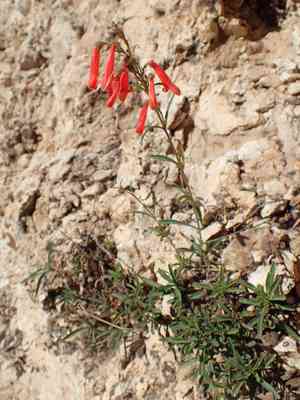
This enduring plant, noted for its vibrant tubular flowers and height, flourishes with deliberate trimming. Remove spent beardlip penstemon blossoms consistently to extend flowering durations. After the blooming cycle, sever the stalks to the soil level to foster fresh development. The period from early spring to late autumn is optimal for trimming, coinciding with beardlip penstemon's vigorous growth stages. Pruning averts spindly growth, encourages a denser form, and boosts floral production, which is crucial for sustaining the plant's health and visual attractiveness.
What Are the Benefits of Pruning Beardlip Penstemon?
What Are the Benefits of Pruning Beardlip Penstemon?
Trimming beardlip penstemon promotes a denser structure and more abundant blooms, preserving its attractive form. This action also stimulates vigorous development, ensuring beardlip penstemon stays strong and thriving.
What Is the Best Time for Pruning Beardlip Penstemon?
What Is the Best Time for Pruning Beardlip Penstemon?
Trimming in early spring allows gardeners to eliminate any dead or damaged stems from winter before the plant begins its active growth period. This timing ensures the plant's energy is directed towards producing new, healthy growth. Late fall pruning is beneficial because beardlip penstemon has typically completed its flowering cycle. This is when pruning can help shape the plant and prepare it for winter. Cutting back beardlip penstemon in the fall also encourages new growth in the subsequent spring, contributing to a more robust blooming season.
What Tools Do I Need to Prune Beardlip Penstemon?
Bypass Pruners
These are perfect for making clean cuts on beardlip penstemon's stems. The sharp, curved blades create a smooth cut without crushing plant tissues, which is vital for the plant's health and recovery.
Pruning Shears
For thinner stems and precise work on beardlip penstemon, pruning shears allow for easy snipping. Their smaller size enables more controlled cuts, especially in dense growth.
Gloves
Protective gardening gloves are crucial for handling beardlip penstemon, preventing scratches and offering a better grip on the tools.
Garden Scissors
For deadheading or shaping beardlip penstemon, garden scissors can be used for cutting softer stems or leaves with accuracy.
Pruning Saw
A compact pruning saw can be useful for older, woodier stems of beardlip penstemon that have become too thick for pruners or shears.
How to Prune Beardlip Penstemon
Step1: Prepare Disinfected Pruning Shears
Before trimming beardlip penstemon, ensure your pruning shears are clean and sharp. Disinfecting them with alcohol reduces the risk of spreading disease to the plant.
Step2: Find Dead Flowers
Locate the spent flowers on beardlip penstemon. These will often be at the top of the flower spikes and will appear withered or brown.
Step3: Cut Back Dead Flowers
Cut the dead flowers back to the base of the flower stem, just above the first set of healthy leaves. Make cuts at a 45-degree angle to encourage water runoff and prevent disease.
Step4: Trim Disruptive Long Stems
Identify long stems that disrupt the plant's shape or are significantly longer than others. Pinch or cut these stems back to a set of leaves that points in the desired direction of new growth.
Step5: Spot Damaged Stems
Identify damaged stems on beardlip penstemon. These may be broken, discolored, or show signs of illness.
Step6: Remove Damaged Stems
Trim the damaged stems back to healthy tissue. If the entire stem is damaged, cut it back to the base or to the main stem.
Step7: Assess Overall Plant Shape
After pruning for dead flowers, long stems, and damaged stems, step back to evaluate the overall shape of beardlip penstemon. Make minor adjustments as needed to maintain a well-balanced, natural form.
Step8: Dispose of Pruning Debris
Clear away all trimmings from around the base of beardlip penstemon to deter pests and diseases from taking hold in the debris.
Step9: Water Plant Post-Pruning
Water beardlip penstemon deeply after pruning to help reduce plant stress and encourage new growth.
Step10: Monitor for New Growth
Monitor beardlip penstemon for new growth and repeat the pruning process as needed throughout the growing season to keep the plant healthy and visually appealing.
Post-Pruning Care for Beardlip Penstemon
Post-Pruning Care for Beardlip Penstemon
After trimming beardlip penstemon, water thoroughly immediately to alleviate shock and promote healing. Maintain a location with indirect light, ensuring consistent temperatures and moderate humidity. Adjust irrigation as beardlip penstemon's recovery progresses, avoiding both excessive and insufficient watering. Apply a balanced, slow-release fertilizer to aid new growth. Monitor beardlip penstemon for wilting, discoloration, or decay as indicators of stress or disease. Promptly address any issues with targeted treatments to prevent further complications.
Common Pruning Mistakes with Beardlip Penstemon
Over-pruning: Reduces Vigor and Flowering
Excessive pruning can stress beardlip penstemon and diminish its vigor and blooming potential. Removing too much foliage or too many stems can weaken the plant.
Improper Tool Use: Risk of Damage and Disease
Using dull or dirty pruning tools can harm beardlip penstemon's stems and potentially introduce diseases to the cuts.
Incorrect Pruning Zone: Hinder New Shoots
Pruning into the woody, older growth below the point where new, green stems emerge. This can risk the plant not producing new shoots.
Neglecting Unhealthy Stems: Impairs Plant Health
Ignoring dead, damaged, or diseased stems can hinder beardlip penstemon's overall health and aesthetic value.
Aimless Pruning: Affects Plant Shape and Health
Pruning without a clear objective, leading to an unnatural shape or size that may not be conducive to the plant's health or visual appeal.
Common Pruning Tips for Beardlip Penstemon
Sharp Shears: Ensures Clean Cuts and Quick Healing
Use clean, sharp pruning shears to make precise cuts which will aid in quicker healing for beardlip penstemon.
Selective Removal: Boosts Reblooming and Energy
Focus on removing only the spent flower spikes after blooming to encourage a possible second bloom and maintain the plantâs energy.
Strategic Thinning: Enhances Airflow and Light Exposure
Prune for shape and health by removing any crossing or crowded stems to improve air circulation and light penetration throughout beardlip penstemon.
Targeted Pruning: Promotes Growth from Nodes
Always prune above a set of leaves or a growth node to encourage new growth from that point.
Regular Checks: Prevents Disease and Maintains Appearance
Examine beardlip penstemon regularly to remove any dead or diseased stems as soon as they are noticed to keep the plant looking its best and to prevent the spread of disease.
Periodic Rejuvenation: Revitalizes Plant by Selective Pruning
Thin out the plant every few years to revitalize it. This involves cutting back approximately one-third of the old stems to ground level in late winter or early spring.



