How Much Sunlight Do Beardlip penstemon Need?
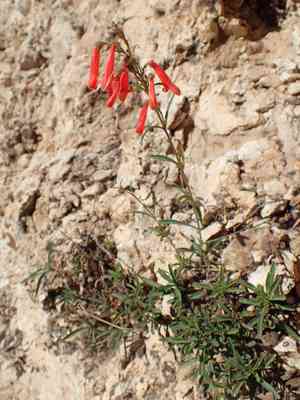
1
Beardlip penstemon flourishes optimally in full sun, requiring more than six hours of direct sunlight each day.
2
Although it can endure some shade, inadequate light may impede its development and flowering.
3
Too much sun exposure might cause sunburn signs on Beardlip penstemon, so observe it closely in mid-summer.
Optimal Light Conditions for Beardlip Penstemon
Full Sun Requirements
For peak development, Beardlip penstemon needs to be situated in a spot receiving at least six hours of direct solar exposure daily. This plant thrives in bright light and performs best with abundant illumination. Full sun promotes vivid flower production and robust foliage. If feasible, choose a south-facing garden area to maximize light reception.
Partial Shade Tolerance
Although Beardlip penstemon prefers full sun, it can endure partial shade. In regions with intense sunlight, some afternoon shade can help prevent heat stress. However, excessive shade can reduce flowering and lead to elongated growth as the plant stretches for light. Aim for morning sun and afternoon shade if full exposure isn't possible.
Impact of Insufficient Sun on Beardlip Penstemon
Signs of Inadequate Sunlight
When Beardlip penstemon lacks sufficient sunlight, it displays several clear indicators. Common signs include weak stems unable to support the plant, sparse leaves, and a scarcity of vibrant blossoms. The plant may also become leggy as it attempts to reach for more light, resulting in an unappealing appearance.
Stunted Growth and Poor Blooming
Insufficient light can significantly hinder the growth and flowering of Beardlip penstemon. You might observe that the plant remains small and produces fewer, smaller flowers. Any blooms that do appear may be less colorful and more susceptible to disease. Ensuring at least six hours of daily sunlight will prevent these issues and keep your plant thriving.
Can Beardlip Penstemon Receive Too Much Sun?
Symptoms of Excessive Sun Exposure
While Beardlip penstemon enjoys sunlight, too much can be harmful, especially during peak summer months. Symptoms of overexposure include leaf scorching, withered or brittle foliage, and bleached or faded flowers. If these signs are present, it's vital to protect your plant from further damage.
Preventing Sunburn in Beardlip Penstemon
Preventing sunburn in your Beardlip penstemon is crucial for its health. Consider using shade cloths or planting it where it gets morning sun and afternoon shade, particularly during the hottest part of summer. Mulching can also help by keeping the soil cooler and retaining moisture. Close monitoring during extreme heat will allow for necessary adjustments.
Optimizing Sunlight Exposure for Beardlip Penstemon
Choosing the Right Location
Selecting the ideal spot for your Beardlip penstemon is paramount. Pick a location that receives full sunlight for most of the day. Avoid planting it in shaded areas or near large trees and structures that block light. A well-drained soil site with ample air circulation will further ensure your plant's vigor.
Seasonal Adjustments
As seasons change, so do the light needs of your Beardlip penstemon. During spring and fall, sunlight is less intense, making it an excellent time for your plant to flourish. In summer, when the sun is strongest, consider providing some afternoon shade or increasing watering frequency. Observe your plant's behavior through different seasons and adjust its care routine accordingly.
FAQs: Common Sunlight Questions for Beardlip Penstemon
Can Beardlip Penstemon Grow Indoors?
While Beardlip penstemon is primarily an outdoor plant, it can be cultivated indoors with proper care. Ensure it is positioned near a south-facing window to receive abundant direct sunlight. Alternatively, supplement with grow lights to provide the required light intensity. Indoor growth may still result in less vibrant blooms compared to outdoor conditions.
Do Young Beardlip Penstemon Plants Need Special Care?
Young Beardlip penstemon plants require additional attention. It's essential to gradually introduce them to full sunlight to prevent shock and sunburn. Begin with partial sunlight and increase exposure over one to two weeks. Regular watering is also crucial, but ensure good soil drainage to prevent root rot. These practices will help young plants establish themselves effectively.



