The Beardlip penstemon Plant Advantage: Maximizing Home and Office Appeal and Wellness
1
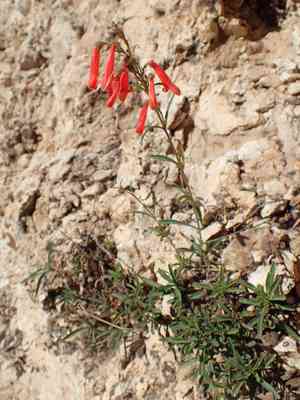
Beardlip penstemon serves as a superb option for drawing pollinators into your outdoor space.
2
This enduring plant needs little upkeep and tolerates dry spells well.
3
Beardlip penstemon flourishes in diverse soil types, rendering it very adaptable.
Why Is Beardlip penstemon an Excellent Option for Your Garden?
Flexibility and Minimal Upkeep
A primary reason gardeners favor Beardlip penstemon is its remarkable flexibility and low-maintenance nature. This robust plant thrives in diverse soil types, from sandy loam to clay, and endures both full sun and partial shade. Its drought-tolerant qualities mean it needs little watering once established, making it ideal for xeriscaping and water-wise gardens.
Attractiveness to Pollinators
Beardlip penstemon acts as a magnet for various pollinators, including bees, butterflies, and hummingbirds. Its tubular blossoms are perfectly suited for these creatures, offering a vital nectar source throughout the growing period. By incorporating Beardlip penstemon into your garden, you not only enhance its beauty but also support local ecosystems and boost biodiversity.
What Are the Ecological Advantages of Beardlip penstemon?
Erosion Prevention
The deep root system of Beardlip penstemon makes it highly effective for preventing erosion. Its roots help stabilize the ground, reducing runoff and stopping soil loss on slopes and inclines. This feature is particularly beneficial in areas prone to heavy rainfall or where soil preservation is a concern.
Enhancing Soil Quality
Beyond erosion control, Beardlip penstemon contributes to improving soil health. Its roots assist in aerating the soil and promoting better water absorption. Over time, this can lead to a healthier soil structure and improved growing conditions for other plants in your garden.
How Does Beardlip penstemon Improve Garden Visuals?
Vibrant Floral Displays
A standout characteristic of Beardlip penstemon is its striking floral presentation. Blooming in various shades, from deep red and pink to purple and blue, these flowers add a lively burst of color to any garden. The extended blooming season ensures your garden remains visually appealing from late spring through early autumn.
Versatility in Landscape Design
Beardlip penstemon offers immense adaptability in garden design. Whether utilized in borders, rock gardens, or as mass plantings, it beautifully complements other plants and garden elements. Its tall, upright growth habit also makes it an excellent choice for adding vertical interest and structure to your outdoor space.
How to Care for and Maintain Beardlip penstemon
Planting and Irrigation Advice
When planting Beardlip penstemon, select a spot with well-draining soil and ample sunlight exposure. While it tolerates various conditions, optimal growth occurs in environments that mimic its natural habitat. Water newly planted Beardlip penstemon regularly until established, then decrease frequency as the plant acclimates. Excessive watering can cause root rot, so ensure the soil dries out between irrigation sessions.
Pruning and Spent Flower Removal
To encourage continuous flowering and maintain a neat appearance, regular removal of faded blooms is advised. Pruning can also help manage the plant's form and size. Cut back the stems in late autumn or early spring to promote vigorous new growth and prepare the plant for the upcoming growing season.
Tips for Propagating Beardlip penstemon
Seed Propagation
Propagating Beardlip penstemon from seeds is a simple method that can yield numerous plants. Collect seeds from mature plants in late summer or early fall. Sow them directly in the garden bed or in seed trays indoors. Ensure the seeds are lightly covered with soil and kept moist until germination, which typically happens within a few weeks.
Division and Cuttings
In addition to seed propagation, Beardlip penstemon can also be propagated through division and cuttings. Divide the plant in early spring by carefully separating the root clumps and replanting them in desired locations. Stem cuttings taken in late spring or early summer can also root successfully, provided they are kept in a humid environment until new growth emerges.



