How to Transplant Perfumed passionflower?
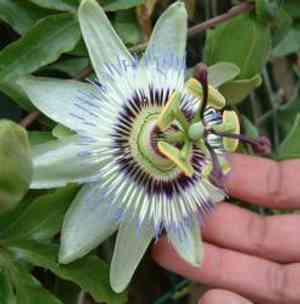
The optimal period for transplanting fragrant passionflower is during the vibrant resurgence of the garden â from mid to late spring. Select a brightly lit location featuring fertile, adequately draining earth. Should it be required, amend the soil to encourage vigorous development following the relocation.
What Preparations are Needed Before Transplanting Perfumed Passionflower?
What is the Ideal Time for Transplanting Perfumed Passionflower?
Relocate perfumed passionflower when spring blooms emerge, typically in early May. This period ensures warm earth, promoting strong root development without summer's intense heat. Moving perfumed passionflower during this season leads to vigorous growth and abundant flowers. This is the crucial moment for roots to establish before summer's peak, guaranteeing a lush, thriving display.
How Much Space Should You Leave Between Perfumed Passionflower Plants?
When getting ready to move your perfumed passionflower, ensure ample room for its expansion. Position each plant 5 to 10 feet apart (1.5 to 3 meters) so they can flourish without competing for resources.
What is the Best Soil Mix for Perfumed Passionflower Transplanting?
Select a fertile, well-draining soil for your perfumed passionflower and enrich it with a balanced, slow-release plant food. This establishes a nourishing foundation that supports vigorous development.
Where Should You Relocate Your Perfumed Passionflower?
Choose a sunny location in your garden that receives ample light daily. Perfumed passionflower thrives best with full to partial sun exposure to produce beautiful blooms.
What Equipments Should You Prepare Before Transplantation Perfumed Passionflower?
Gardening Gloves
To safeguard your hands while handling soil and the plant.
Spade or Shovel
To excavate the plant while preserving the root ball and for digging the new planting site.
Pruning Shears
To trim any damaged roots or stems prior to relocation.
Watering Can or Hose
To hydrate the perfumed passionflower both before and after its move.
Wheelbarrow or Garden Cart
For moving the perfumed passionflower from one spot to another if necessary.
Trowel
For minor adjustments to the planting hole or to dig out smaller plants.
Measuring Tape
To ensure correct spacing between multiple transplanted perfumed passionflower.
Mulch
To apply around the base of the perfumed passionflower after transplanting to help retain moisture.
How Do You Remove Perfumed Passionflower from the Soil?
How Do You Remove Perfumed Passionflower from the Soil?
From Ground: First, moisten the perfumed passionflower to dampen the earth. Then dig a wide trench around the plant using a shovel or spade, being careful not to harm the root ball. Gently work the spade beneath the root ball to lift the plant from its original spot.From Pot: Begin by watering the perfumed passionflower to facilitate a smoother transition. Turn the container on its side and gently tap to loosen. Carefully extract the perfumed passionflower ensuring the root ball remains intact by either sliding it out or breaking the pot if needed.From Seedling Tray: Water the seedlings to keep the soil cohesive. Use a trowel or hand to gently lift the seedling from the tray, making sure to support the soil and roots to prevent any damage.
Step-by-Step Guide for Transplanting Perfumed Passionflower
Preparation
Gather all necessary tools and water the perfumed passionflower in its current spot to reduce stress and simplify removal.
Removal
Depending on the perfumed passionflower's initial location, use the appropriate method from the 'removal_process' category to carefully extract the plant, preserving as much of the root ball as possible.
Hole Digging
Excavate a hole in the new location that is twice the width and the same depth as the root ball to allow for easier root expansion.
Placement
Position the perfumed passionflower in the center of the new hole, ensuring it stands upright and at the same depth it was previously growing.
Filling In
Carefully backfill the hole with soil around the root ball, gently firming the earth to eliminate air pockets without overly compacting it.
Watering
Thoroughly water the perfumed passionflower to settle the soil and provide hydration, focusing on the root area.
How Do You Care For Perfumed Passionflower After Transplanting?
Initial Watering
Water the perfumed passionflower generously immediately after transplanting to help settle the soil and remove any air gaps around the roots.
Regular Check-Ups
Observe the perfumed passionflower daily for the first couple of weeks to detect any signs of transplant shock early.
Mulching
Apply a layer of mulch around the base of the perfumed passionflower without touching the stem to help retain moisture and regulate soil temperature.
Support
If the perfumed passionflower shows signs of leaning or instability, provide stakes or other supports to maintain upright growth during establishment.
Pruning
Remove any damaged or dead foliage to direct the perfumed passionflower's energy towards root development and new growth.
Patience
Remember, it takes time for a transplanted perfumed passionflower to establish. Be patient and give it the attention it needs in those first few crucial weeks.
Troubleshooting Common Issues with Perfumed Passionflower Transplantation.
What's the ideal period for transplanting perfumed passionflower?
The optimal time for relocating perfumed passionflower is from mid to late spring, ensuring warmer soil and stable growth conditions.
How far apart should I space my perfumed passionflower plants?
For best growth, position perfumed passionflower at intervals of 5 to 10 feet (1.5 to 3 meters), giving them ample room to thrive.
Why are my transplanted perfumed passionflower wilting?
Wilting after transplant can indicate shock. Keep the soil moist and shield the plant from intense sunlight until it recovers.
What soil should I use when transplanting perfumed passionflower?
Use well-draining soil rich in organic matter, with a pH between 6.1 and 7.5, to encourage healthy root development.
How do I water perfumed passionflower after transplanting?
Water deeply right after transplanting and then maintain consistent moisture without overwatering to prevent root rot.
Can I transplant perfumed passionflower on a hot, sunny day?
Transplant perfumed passionflower on a cloudy day or in the late afternoon to avoid stress from intense sunlight and heat.
Why isn't my perfumed passionflower growing after transplanting?
Check for root-bound conditions, insufficient watering, or unsuitable soil. Adjust care to meet perfumed passionflower's specific requirements.
How deep should the hole be for transplanting perfumed passionflower?
Dig a hole twice as wide and the same depth as the root ball of perfumed passionflower to promote easy root expansion.
Should I fertilize perfumed passionflower after transplanting?
Wait 3-4 weeks before fertilizing to allow perfumed passionflower to establish roots. Then, use a balanced, slow-release fertilizer.
What if the leaves of perfumed passionflower turn yellow after transplanting?
Yellowing leaves may suggest overwatering or nutrient deficiency. Adjust watering and consider soil testing for nutrient levels.



