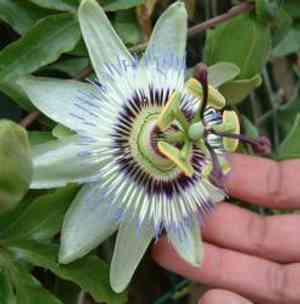
Perfumed passionflower (Passiflora vitifolia)
Also known as: Grapeleaf passionflower
The Red Hot Poker (Kniphofia) is known for its vivid red, orange, or yellow blooms that make it a standout in gardens. This plant is particularly attractive to both butterflies and hummingbirds, who are drawn to its striking flowers. Various hybrids, such as 'Flamenco' and 'Papaya Popsicle,' have been developed to enhance its vibrant colors and unique features.
In This Article
Attributes of Perfumed passionflower
Lifespan
Perennial
Plant Type
Vine
Plant Height
5 m
Spread
3 m
Leaf Color
Green
Flower Size
9 cm
Flower Color
Red
Images of Perfumed passionflower
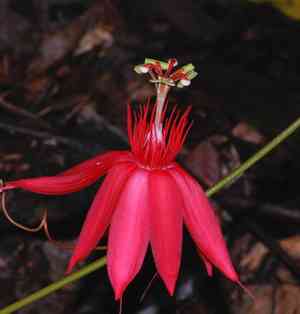
Quickly Identify Perfumed passionflower
1
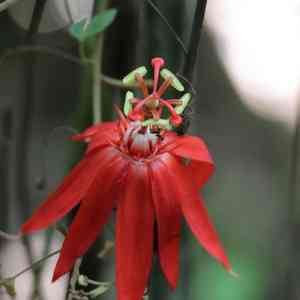
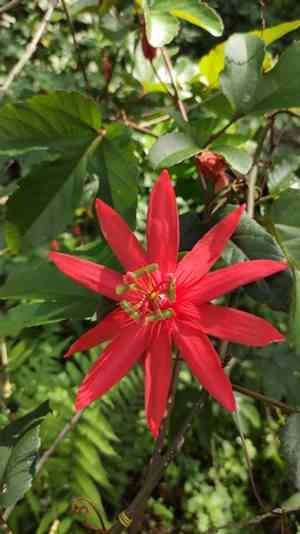
Passiflora vitifolia is easily identifiable by its vibrant red, star-shaped flowers which can be up to 12 cm in diameter. The leaves are lobed and resemble those of grapevines, with tendrils that help it climb.
Scientific Classification of Perfumed passionflower
Phylum
Vascular plants
Class
Dicotyledons
Order
Malpighiales
Family
Passionflowers
Genus
Passion flowers
Species
Perfumed passionflower
Planting and Growing of Perfumed passionflower
Care Difficulty
Hard
Watering Schedule
Every 8 days
Sunlight Requirements
Full sun
Sunshine Duration
6-10 hours
Ideal Temperature
60-75℉
Soil Type
Potting Mix, Peat Mix
Soil pH
6.5-7.5
Fertilizer Type
Balanced
Pruning Season
Spring, Summer
Pruning Area
Branches, Leaves
Pruning Frequency
2 times a year
Repotting Season
Spring
Pot Type
Plastic, Ceramic
 How to Water Perfumed passionflower?
Passiflora vitifolia thrives on consistently moist soil but not soggy. Watering should penetrate deeply, aiming for 500 ml per session to ensure the roots receive adequate moisture for healthy growth.
What are the symptoms of an underwatered Perfumed passionflower?
›
What should I do if my Perfumed passionflower is not getting enough water?
›
What are the symptoms of an overwatered Perfumed passionflower?
›
How to save an overwatered Perfumed passionflower?
›
 What Are the Sunlight Requirements for Perfumed passionflower?
Passiflora vitifolia flourishes in a range that includes full sun to partial sun. Optimal light fosters lush growth, enhances flowering, and fortifies the plant against environmental stressors.
More About Sunlight Requirements Techniques→
What is the best sunlight exposure for Passiflora vitifolia?
›
How to achieve ideal light conditions for the plant?
›
What benefits does ideal light provide to Passiflora vitifolia?
›
 What Is the Ideal Temperature Range for Perfumed passionflower?
For optimal growth, Passiflora vitifolia thrives in temperatures ranging from 60°F to 75°F. This warm, consistent range supports healthy photosynthesis and nutrient absorption, promoting vibrant foliage and prolific flowering.
 What Soil is Best for Perfumed passionflower?
Passiflora vitifolia thrives in nutrient-rich soils that support its vigorous growth. Adding organic matter like compost to the soil ensures a steady nutrient supply, promoting lush foliage and vibrant flowers. A well-drained substrate is crucial to prevent waterlogging, which can lead to root rot. Ensuring good drainage through soil composition or added drainage materials helps maintain a healthy root system. While well-drained, the soil should also retain adequate moisture to support the plant's hydration needs. Using mulch can help retain moisture and reduce the frequency of watering required.
 How to Fertilize Perfumed passionflower?
Passiflora vitifolia, or the Scarlet passion flower, requires a balanced nutrient supply. For each application, use a liquid fertilizer diluted to half the strength recommended on the label, typically around 10-20 ml per liter of water. This ensures the plant receives essential nutrients without the risk of over-fertilization.
 How to Prune Perfumed passionflower?
Begin by selecting a clean and sharp pair of pruning shears. Identify and remove all dead, damaged, or diseased stems, trimming them back to the base to encourage new growth. Next, target any overgrown areas by cutting back excessive foliage to maintain a balanced and manageable shape. For optimal flowering, trim back side shoots to about three to four buds after flowering. Always cut at a 45-degree angle to prevent water from collecting on the cut surface and to promote healing.
More About Pruning Techniques→
 How to Propagate Perfumed passionflower plant?
1
Choose healthy, non-flowering stems for cuttings to ensure better root growth. Stems should be 4-6 inches long with at least two leaf nodes.
2
Use a well-draining soil mix with components like peat moss and perlite, which provides oxygen to the roots while retaining moisture necessary for growth.
3
If propagating by seed, sow seeds in the prepared medium at a depth twice their size. For cuttings, insert them at least one-third of their length into the soil for stability.
 How to Repot Perfumed passionflower plant?
1
Passiflora vitifolia shows it needs repotting when roots start to emerge from the drainage holes or the plant becomes root-bound, showing stunted growth. Ideally, repotting should be done in Spring or Summer when the plant is actively growing.
2
Select a pot that's 2 inches larger in diameter than the current one. Ensure it has ample drainage holes. A larger pot prevents overcrowding, offering the roots room to expand, enhancing overall health and growth potential.
3
Opt for rich, well-draining loamy soil. This type of soil retains adequate moisture while preventing waterlogging, ensuring that the roots receive essential air and nutrients, fostering robust plant health and flowering.



