How to Prune Perfumed passionflower?
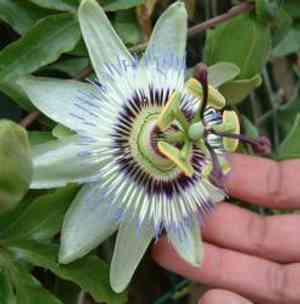
A tropical climbing plant recognized by its vivid crimson blossoms, the fragrant passionflower necessitates consistent trimming to manage its development and foster a greater profusion of flowers. Perform pruning on the fragrant passionflower in late winter or early spring to eliminate deceased or ailing stalks and to sculpt the plant. Cutting back robust growth can stimulate blooming and enhance air movement. Focus on elongated, sparse, or excessively grown stems to boost the plant's vitality and aesthetic. Reap the rewards of pruning by cultivating a more controllable and robust plant architecture.
What Are the Advantages of Trimming Perfumed Passionflower?
What Are the Advantages of Trimming Perfumed Passionflower?
Trimming perfumed passionflower promotes robust development and maintains its desired form, ensuring the plant's energy is directed towards producing vibrant blossoms and healthy foliage.
When Is the Optimal Time for Trimming Perfumed Passionflower?
When Is the Optimal Time for Trimming Perfumed Passionflower?
The best periods for trimming perfumed passionflower are late winter and early spring. During late winter, the plant is typically in a dormant state, making it an ideal time to prune without stressing the plant. Pruning at this time minimizes the risk of disease infection and allows for robust healing of cuts before the onset of the new growth season. Early spring is also conducive to pruning as it precedes the growth cycle, setting the stage for vigorous growth and healthy development. This timing ensures that flowering and fruiting are not adversely affected since perfumed passionflower blooms on new growth. Trimming at these times aligns with the natural growth patterns of perfumed passionflower, enhancing plant vigor and productivity.
What Tools Are Necessary to Trim Perfumed Passionflower?
Hand Pruners
Perfect for making clean cuts on stems and branches of perfumed passionflower up to 3/4 inch thick. Choose bypass pruners for their scissor-like action which is better for live plant material.
Lopping Shears
Ideal for branches thicker than 3/4 inch, but not exceeding 1.5 inches. The long handles provide leverage to cut through larger branches of perfumed passionflower without causing strain or damage.
Pruning Saw
Essential for trimming branches over 1.5 inches in diameter. A folding pruning saw with sharp teeth is suitable for perfumed passionflower, allowing precise cuts without tearing the bark.
Garden Scissors
Useful for deadheading or shaping perfumed passionflower, especially for delicate work or reaching tight spaces in the vine's foliage. Select ones with stainless steel blades for durability and prevention of disease spread.
How to Trim Perfumed Passionflower
Clean And Sanitize
Before starting, ensure all trimming tools are clean and sanitized to prevent the spread of disease.
Diseased Leaves
Identify and remove any diseased leaves from perfumed passionflower to maintain plant health. Use sharp pruning shears and cut the leaf stem where it meets the main stem, being careful not to damage nearby healthy tissue.
Withered Leaves
Trim off withered or old leaves by cutting them at their base. This encourages new growth and improves air circulation within perfumed passionflower's foliage.
Shape Maintenance
Shape perfumed passionflower by selectively trimming overgrown vines. Cut back stems to a healthy bud to promote branching and manage the plant's size.
Wound Care
After trimming, apply a natural fungicide or a wound sealant to the cut areas to protect perfumed passionflower from infections.
Common Trimming Errors with Perfumed Passionflower
Over-Pruning
Removing too much foliage from perfumed passionflower can stress the plant, leading to reduced growth and fewer flowers. Perfumed passionflower benefits from moderate pruning; overzealous cuts can hinder its natural shape and vitality.
Improper Cut Locations
Cutting perfumed passionflower too far away from a leaf node or bud can result in unsightly stubs that do not heal properly and are prone to pests and diseases. Similarly, cuts too close to the node can damage buds and impede new growth.
Using Dull Tools
Trimming perfumed passionflower with dull or dirty tools can cause ragged cuts that are slower to heal, making the plant susceptible to infection. Always use sharp, clean pruning shears for clean cuts.
Neglecting Health Checks
Failing to inspect perfumed passionflower for signs of disease or pest infestation before trimming can lead to the inadvertent spread of problems. Always check the plant's health and sanitize tools between cuts if necessary.
Common Trimming Advice for Perfumed Passionflower
Selective Pruning
For perfumed passionflower, focus on removing dead or damaged growth, as well as any overgrown or entangled vines to improve air circulation and light penetration. This encourages a more manageable form and promotes healthy flowering.
Maintaining Shape
Aim to maintain perfumed passionflower's natural shape when trimming. Trim back overreaching tendrils and shape the plant without cutting into old wood, as this is where new growth and flowers develop.
Encouraging New Growth
Pinching back the tips of perfumed passionflower can promote bushier growth. Make cuts just above leaf nodes to encourage multiple shoots, which can result in more flowers.
Post-Flowering Care
Once perfumed passionflower has finished flowering, light trimming can be done to remove spent blooms and encourage a second flush of flowers. This also prevents the plant from becoming leggy.



