How Much Sunlight Do Perfumed passionflower Need?
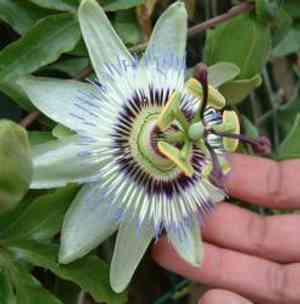
1
Perfumed passionflower flourishes optimally with over six hours of daily sun exposure.
2
Although it can endure some shade, peak development is achieved in full sun environments.
3
Observe your plant for indications of insufficient or excessive light to guarantee robust development.
Significance of Light for Perfumed Passionflower
Light's Role in Plant Development
Light is crucial for the development and health of Perfumed passionflower. This tropical species needs abundant light to produce its vibrant blooms and lush foliage. Light drives essential processes, allowing the plant to create sustenance, grow, and flourish.
Photosynthesis and Energy Creation
Light is key to photosynthesis, the process where Perfumed passionflower converts light into energy. Chlorophyll in the leaves absorbs light, initiating reactions that yield glucose, the plant's energy source. This energy is vital for the plant's growth, flowering, and overall vitality.
Optimal Light Conditions for Perfumed Passionflower
Full Sun vs. Partial Sun
Perfumed passionflower thrives in full sun, meaning it needs over 6 hours of direct sunlight daily. However, it can also endure partial sun, receiving about 3-6 hours of direct light each day. While the plant can survive in partial sun, full sun conditions are best for vigorous growth and prolific blooming.
Seasonal Light Requirements
Seasonal shifts impact Perfumed passionflower's light exposure. During summer, the plant naturally gets more daylight, stimulating growth and flowering. Conversely, shorter winter days might require extra measures to ensure sufficient light. Placing your plant to maximize available light is critical during these darker periods.
Ensuring Sufficient Light Exposure
Ideal Plant Placement
To ensure your Perfumed passionflower gets enough light, select a garden spot with extended sun exposure, like a south-facing area. If indoors, position the plant near a window receiving ample natural light, preferably south or west-facing.
Utilizing Grow Lights
If natural light is insufficient, especially in winter or less sunny regions, consider using grow lights. These lights can supplement the necessary light spectrum, mimicking natural sunlight. Place grow lights approximately 30-45 cm (12-18 inches) above the plant, ensuring they provide about 12-16 hours of light daily.
Signs of Insufficient or Excessive Light
Symptoms of Light Deficiency
Perfumed passionflower lacking adequate light may show several signs of stress. Look for slower growth, pale or yellowing leaves, and fewer flowers. If these symptoms appear, try moving the plant to a brighter spot or using grow lights as needed.
Indicators of Light Overexposure
While light is essential, too much direct exposure, especially under intense summer sun, can cause scorched leaves. Watch for signs like brown, crispy leaf edges or a burnt appearance. If overexposure is evident, provide shade during the hottest parts of the day or adjust the plant's location to avoid excessive light.
Common Questions on Light for Perfumed Passionflower
Can Perfumed Passionflower Grow Indoors?
Yes, Perfumed passionflower can be grown indoors if it receives sufficient light. Position the plant near a bright window with ample direct sunlight. If natural light is limited, supplement with grow lights to meet the plant's growth and flowering needs.
What are the Best Practices for Indoor Cultivation?
For successful indoor growth, place your Perfumed passionflower in a sunny location, such as a south or west-facing window. Ensure the plant gets at least 6 hours of light daily, using grow lights if necessary. Rotate the plant regularly for even light exposure and monitor for signs of inadequate or excessive light to make adjustments.



