The Perfumed passionflower Plant Advantage: Maximizing Home and Office Appeal and Wellness
1
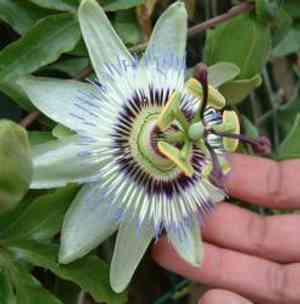
This botanical specimen yields vivid, rich crimson blossoms capable of elevating any garden's visual appeal.
2
It's recognized for drawing in helpful pollinators like bees and butterflies.
3
The plant's fruit is consumable and frequently incorporated into diverse cooking recipes.
What Makes Perfumed passionflower Special in Your Garden?
Stunning Visual Appeal
Perfumed passionflower is celebrated for its incredibly beautiful flowers, which display a vibrant red hue. Its blooms can introduce a burst of color to any garden, making it a central point for visual enjoyment. These striking flowers not only add aesthetic value but also stand out against the green foliage, offering a distinct contrast that can complement various garden designs.
Attracting Pollinators
A key advantage of Perfumed passionflower is its capacity to draw in pollinators like bees, butterflies, and even hummingbirds. These creatures are vital for healthy ecosystems, aiding in the propagation of diverse plants and flowers. By incorporating Perfumed passionflower into your garden, you can help sustain these crucial species and boost your space's natural biodiversity.
Edible and Culinary Uses
The fruit produced by Perfumed passionflower is not only visually appealing but also consumable. It can be incorporated into a range of culinary creations, providing a distinct and exotic flavor to your cooking. Whether you're preparing preserves, desserts, or even beverages, the fruit from Perfumed passionflower can add an extra dimension of taste and innovation to your gastronomic efforts.
How Does Perfumed passionflower Support Biodiversity?
Creating Habitats
Perfumed passionflower fulfills multiple roles within any garden environment. Its dense foliage provides suitable dwelling places for various small animals and insects, making it an essential component of your garden's ecosystem. These habitats can offer refuge and sustenance for beneficial organisms, contributing to a balanced and flourishing garden setting.
Natural Pest Control
The presence of beneficial insects drawn by Perfumed passionflower can also contribute to organic pest management. Ladybugs, predatory beetles, and certain types of parasitic wasps are among the many insects that might be attracted to your garden, helping to keep harmful pests in check without requiring chemical interventions.
Supporting Soil Health
The root system of Perfumed passionflower can enhance soil structure and foster soil health by improving soil aeration and increasing organic matter content. Over time, this can lead to better water retention and nutrient availability, making the soil more fertile and supportive of a wide array of plants.
Care Tips for Growing Perfumed passionflower
Ideal Growing Conditions
For optimal results, Perfumed passionflower should be planted in well-draining soil and situated in an area that receives abundant sunlight. While it requires relatively little upkeep, ensuring these fundamental conditions can help the plant flourish and produce its magnificent flowers and fruits.
Watering and Pruning
Consistent watering is crucial, especially during dry periods, to maintain Perfumed passionflower's health. However, be careful not to overwater, as this can lead to root rot. Pruning should also be performed to remove dead or damaged branches, encouraging new growth and preserving the plant's overall appearance and vitality.
Pest and Disease Management
Perfumed passionflower exhibits good resistance to pests and diseases when kept in optimal conditions. Nevertheless, ensuring proper air circulation and promptly addressing any signs of health issues can further minimize the risk of complications.



