How to Transplant Persian ironwood?
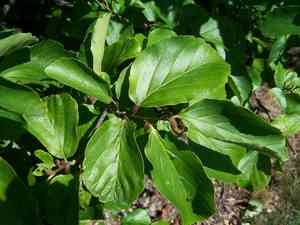
For persian ironwood, the most suitable period for relocation is from the beginning of spring until its conclusion, or from late fall to early winter, as these intervals facilitate the best recuperation. Provide a site that receives full sun to partial shade and possesses adequately draining earth for superior outcomes.
Essential Preparations Before Relocating Persian Ironwood?
Optimal Timing for Transplanting Persian Ironwood?
The best time to move persian ironwood, a Perennial plant, is from early to late spring, or from late autumn to early winter. These periods offer mild temperatures and increased moisture, aiding root establishment and minimizing shock. Late fall to early winter transplanting benefits from dormancy, allowing for acclimatization before the growing season.
Required Spacing Between Persian Ironwood Plants?
Ensure persian ironwood are spaced 15-25 feet (4.5-7.6 meters) apart to facilitate proper development and air circulation. This provides ample room for their attractive shape and lowers disease risk.
Ideal Soil Blend for Persian Ironwood Transplanting?
For persian ironwood, prepare soil that drains well, with a loamy or sandy consistency. Incorporate organic compost or a balanced base fertilizer to enrich the soil, providing essential nutrients for robust growth.
Optimal New Location for Your Persian Ironwood?
Select a site with full sun to partial shade for persian ironwood. It needs at least 6 hours of daily sunlight to flourish, though it can tolerate some shade.
Equipment Needed Before Transplanting Persian Ironwood?
Gardening Gloves
To safeguard your hands while handling soil and the plant.
Shovel or Spade
For digging around the plant and creating a new planting hole.
Wheelbarrow
To move the plant if it's large or needs to be transported a distance.
Trowel
Useful for smaller plants or when working in confined areas.
Pruning Shears
To trim any damaged foliage or roots during the transplanting process.
Watering Can or Hose
To hydrate the persian ironwood before and after relocation.
Organic Mulch
Helps maintain moisture and regulate soil temperature post-transplant.
Stakes and Plant Ties
To offer support to the plant in its new spot, especially for young or tall specimens.
How to Extract Persian Ironwood from the Soil?
How to Extract Persian Ironwood from the Soil?
From Ground: First, moisten the persian ironwood plant's soil. Then, dig a wide trench around the plant with a shovel or spade, keeping the root ball intact. Carefully work the spade beneath the root ball to lift the plant from its original position.From Pot: Water the persian ironwood plant thoroughly to loosen the soil. Gently tap the pot's sides to free the plant if it's stuck. Carefully remove the plant by tilting it sideways and easing it out. Ensure the root ball remains intact.From Seedling Tray: Dampen the soil in the seedling tray. Use a pencil or similar tool to gently push each seedling up from the bottom, taking care not to harm the roots. Hold seedlings by their leaves (not stems) to avoid crushing delicate parts during removal.
Step-by-Step Guide for Transplanting Persian Ironwood
Site Preparation
Choose a location with adequate sunlight and room for your persian ironwood plant to reach its mature size. Confirm the site has suitable soil conditions as previously discussed.
Digging New Hole
Use a shovel or spade to dig a hole twice as wide and as deep as the plantâs root ball. This provides ample space for root expansion and growth.
Plant Removal
Employ the methods described above to carefully extract the persian ironwood plant from its initial location.
Placing the Plant
Position the persian ironwood plant in the new hole so the top of the root ball is level with the ground. Adjust the hole depth if needed.
Backfilling
Fill in around the root ball with the excavated soil, pressing gently to eliminate air pockets. Ensure the plant stands upright.
Watering
Water the plant thoroughly to settle the soil around the root ball. This also aids the plant in adapting to its new environment.
Staking (if necessary)
Use stakes and ties to support the plant if it appears unstable in its new spot, particularly in windy areas.
Post-Transplant Care for Persian Ironwood
Watering
Maintain consistent moisture around the persian ironwood, avoiding sogginess, for the initial weeks after transplanting to encourage strong root development.
Mulching
Apply a layer of organic mulch around the plant's base to help retain moisture and regulate soil temperature.
Monitoring
Observe the plant for signs of transplant shock, such as wilting or yellowing leaves, and provide additional care if required.
Fertilization
Delay applying any fertilizer for a few weeks to allow the plant to settle in its new location without the risk of fertilizer burn.
Resolving Common Issues with Persian Ironwood Transplantation.
What's the ideal season for transplanting persian ironwood?
Transplant persian ironwood from early spring to late spring or late fall to early winter for optimal results.
What spacing is recommended for transplanting persian ironwood?
Plant persian ironwood 15-25 feet (4.5-7.5 meters) apart to allow for sufficient growth and air circulation.
How deep should the planting hole be?
The hole should be as deep as the root ball and twice as wide for stability.
How to prepare persian ironwood for transplanting?
Water persian ironwood thoroughly the day before transplanting to reduce stress and ease root disturbance.
How much water does persian ironwood need after transplanting?
Water persian ironwood deeply once a week, especially during the first growing season, to establish roots.
Should I fertilize persian ironwood right after transplanting?
Avoid fertilizing immediately. Wait until persian ironwood shows new growth to prevent root burn and stress.
Persian ironwood looks wilted after transplanting. Is this normal?
Some wilting is normal due to transplant shock. Keep soil moist but not waterlogged to help recovery.
How to minimize transplant shock in persian ironwood?
Keep roots moist, provide shaded cover initially, and avoid disturbing the root ball during transplant.
What type of soil is best for persian ironwood?
Persian ironwood prefers well-draining, slightly acidic to neutral soil for optimal growth conditions.
How to support persian ironwood after transplanting?
Mulch around the base without touching the trunk, and stake if needed to prevent wind damage.



