How to Prune Persian ironwood?
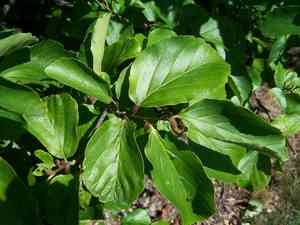
Renowned for its brilliant autumn hues and appealing bark, Parrotia persica greatly benefits from trimming during the initial part of spring or the latter portion of winter. This practice refines its inherent structure, fosters robust development, and averts excessive density. Cultivators ought to prioritize excising deceased or compromised limbs, and judiciously reduce congested sections to optimize light exposure and airflow. Such measures not only preserve the plant's configuration but also fortify its vitality and resilience against infestations.
Advantages of Trimming Persian Ironwood
Advantages of Trimming Persian Ironwood
Trimming persian ironwood encourages strong development and maintains its form, boosting its decorative appeal. Regular cutting eliminates weak limbs, ensuring robust health and structural soundness.
Optimal Period for Pruning Persian Ironwood
Optimal Period for Pruning Persian Ironwood
Pruning persian ironwood from late winter to early spring is ideal, aligning with the end of its dormant phase before new growth begins. This timing helps stimulate vigorous new growth in the spring. Furthermore, pruning prior to spring growth allows gardeners to clearly see the tree's structure, simplifying thoughtful cuts and the removal of damaged or diseased wood. Pruning during this window minimizes stress on persian ironwood, as the plant can quickly recover and seal pruning wounds with the onset of spring growth, reducing infection risks.
Tools Required for Pruning Persian Ironwood
Bypass Pruners
Perfect for making clean, precise cuts on persian ironwood's smaller branches, typically up to 1/2 inch in diameter. An essential tool for shaping and removing dead or diseased wood without harming the plant's healthy tissue.
Loppers
Crucial for cutting thicker branches of persian ironwood, approximately 1/2 inch to 1.5 inches in diameter. The long handles provide leverage for clean cuts deeper into the canopy or at awkward angles, promoting healthy growth and structure.
Pruning Saw
Needed for removing the largest branches of persian ironwood, exceeding 1.5 inches in diameter. A pruning saw helps manage the tree's structure and health, especially useful for tackling thicker, older branches that loppers cannot handle.
Hand Shears
Useful for trimming and shaping the smaller, more delicate branches and foliage of persian ironwood. They enable detailed work and help maintain the plant's overall aesthetic appeal.
How to Prune Persian Ironwood
Identify
Inspect persian ironwood to locate all dead and diseased branches. Look for branches that appear brown or black, lack leaves during the growing season, or show signs of fungal infection, such as unusual growths or discolorations.
Prepare
Gather the necessary tools for pruning persian ironwood, which typically include sharp, clean pruning shears, a pruning saw for thicker branches, and disinfectant for tools. Ensure tools are sterilized to prevent disease spread.
Cut
Carefully remove dead branches by cutting where they meet healthy wood. Make a clean cut flush with the main branch or trunk, avoiding stubs as these can be entry points for pests and diseases.
Prune diseased
Prune diseased branches of persian ironwood, making cuts at least a few inches into healthy tissue beyond the visible signs of disease. This ensures all infected material is removed and reduces the likelihood of disease spread.
Cleanup
Clear all removed branches and debris from around persian ironwood to prevent potential reinfection or pest attraction. Dispose of diseased material properly—do not compost as it can contaminate the compost with the disease.
Common Pruning Errors with Persian Ironwood
Overpruning
A frequent mistake is removing too much of persian ironwood's canopy at once, which can stress the plant and lead to sparse foliage or poor growth. It is generally advisable to remove no more than 15-20% of the canopy in a single season.
Improper cut locations
Cutting too far from a bud or node, or leaving too large a stub, can hinder persian ironwood's natural healing process and may expose the plant to diseases or pests.
Disregard for natural shape
Often gardeners inadvertently alter the picturesque, multi-stemmed form of persian ironwood by trying to impose an unnatural shape, which can detract from its ornamental value and result in uneven growth.
General Pruning Advice for Persian Ironwood
Selective pruning
Focus on removing only dead, damaged, or crossing branches to maintain good health and allow light and air to penetrate the interior of persian ironwood. This encourages a more robust structure and improves overall plant vigor.
Use of sharp tools
Utilize clean, sharp tools when pruning to make clean cuts that heal quickly, preventing disease entry and undue stress on persian ironwood.
Consideration of growth pattern
Recognize that persian ironwood naturally forms a beautiful, rounded shape. Prune to enhance this form rather than contradicting it, which keeps pruning interventions minimal and supports the plant's visual and physical balance.



