The Persian ironwood Plant Advantage: Maximizing Home and Office Appeal and Wellness
1
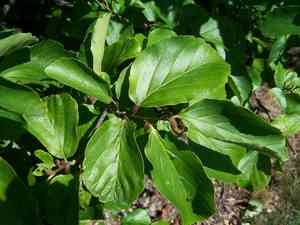
Parrotia persica is prized for its beautiful seasonal hues and attractive bark.
2
This species requires minimal upkeep, making it suitable for diverse garden environments.
3
The blooms of Parrotia persica draw in beneficial insects, boosting garden biodiversity.
What Makes Persian ironwood Special?
Striking Aesthetic Appeal
A key characteristic of Persian ironwood is its remarkable visual charm across different seasons. In autumn, its foliage transforms into hues of red, yellow, and orange, creating a captivating spectacle. During winter, its distinctive, peeling bark adds texture and visual interest to the otherwise dormant scenery.
Attracts Pollinators
The blooms of Persian ironwood appear in early spring, preceding its leaves. These small, red flowers are not only visually appealing but also serve as a vital food source for pollinators. By drawing in bees and other beneficial insects, Persian ironwood plays a significant role in supporting a healthy ecosystem.
Why Should You Plant Persian ironwood?
Low Maintenance Requirements
Persian ironwood is valued not just for its beauty but also for its simple care. This drought-resistant plant can flourish in diverse soil conditions, making it a flexible option for gardeners of all skill levels. Its minimal upkeep means you can enjoy its advantages without dedicating extensive time to its care.
Versatility in Landscaping
Whether you aim to establish a vibrant centerpiece or seek an attractive understory tree, Persian ironwood fits perfectly. It is suitable for both small and large gardens, integrating well with other plantings. Furthermore, its moderate growth rate ensures it won't dominate your garden space.
How Does Persian ironwood Enhance Environmental Sustainability?
Erosion Control
One ecological benefit of Persian ironwood is its capacity to aid in preventing soil erosion. Its robust root system stabilizes the ground, making it an excellent choice for sloped areas and regions susceptible to erosion.
Carbon Sequestration
Persian ironwood contributes to carbon sequestration, helping to mitigate climate change by absorbing carbon dioxide from the atmosphere. This process aids in reducing the overall carbon footprint, making Persian ironwood an environmentally friendly addition to your landscape.
How to Properly Care for Persian ironwood
Optimal Growing Conditions
For the best growth of Persian ironwood, plant it in an area receiving full sun to partial shade. Well-drained soil is preferred, though Persian ironwood tolerates various soil types. Water it regularly during the initial years after planting to establish a strong root system.
Pruning and Maintenance
Pruning Persian ironwood is generally straightforward. Remove any dead or diseased branches and thin out the canopy to improve air circulation. This will maintain the plant's health and enhance its aesthetic appeal. Regular monitoring and minimal intervention are usually sufficient to keep Persian ironwood thriving.
What Are the Ideal Companion Plants for Persian ironwood?
Seasonal Blooms
Persian ironwood pairs beautifully with a variety of other plants. For a stunning display of seasonal blooms, consider planting it alongside spring-flowering bulbs like crocuses and daffodils. These early bloomers complement Persian ironwood's spring flowers and add layers of color to your garden.
Understory Plantings
For those seeking a lush, multi-layered garden, Persian ironwood makes an excellent focal point surrounded by shade-loving perennials such as hostas and ferns. These plants thrive in the dappled light provided by Persian ironwood, creating a rich, textured look.



