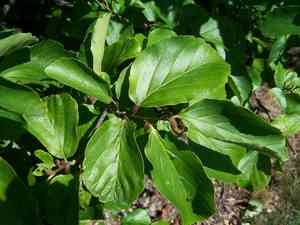
Persian ironwood (Parrotia persica)
Also known as: Persian Ironwood
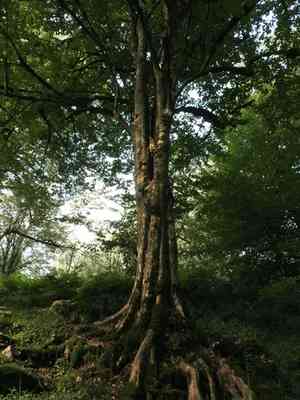
Despite its relation to the witch hazel, Persian ironwood stands out with distinct features, be it as a tree or shrub. This deciduous plant showcases leaves that transform into brilliant fall colors, often persisting into winter.
In This Article
Attributes of Persian ironwood
Lifespan
Perennial
Plant Type
Tree
Plant Height
6 m to 12 m
Spread
4.5 m to 9 m
Leaf Color
Red Purple Green Orange Bronze
Flower Size
2.5 cm
Flower Color
Red
Images of Persian ironwood

Quickly Identify Persian ironwood
1
Red stamens with brown bracts in small, apetalous flowers blooming in late winter to early spring.
2
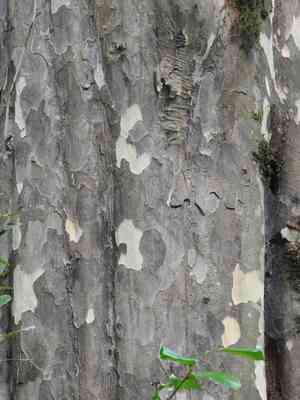
Exfoliating bark revealing green, white, and tan mosaic, varying thickness, and moderate texture.
3
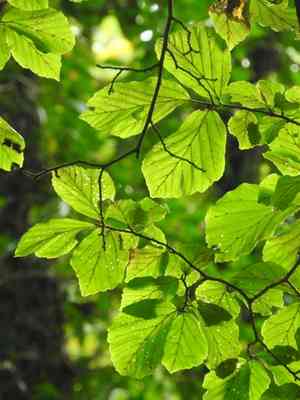
Oval to obovate-oblong leaves with reddish-purple spring color transitioning to yellow, orange, and red in fall.
4
Slender brown twigs with fine branching, smooth texture, subtle zigzag pattern, and slight ridges.
5
Distinctive brown fruit capsule with lustrous seed, opening in two valves, contrasting dry capsule surface.
Scientific Classification of Persian ironwood
Phylum
Vascular plants
Class
Dicotyledons
Order
Saxifragales
Family
Witch-hazel
Genus
Ironwoods
Species
Persian ironwood
Planting and Growing of Persian ironwood
Care Difficulty
Easy
Watering Schedule
Every 2 days
Sunlight Requirements
Full sun
Sunshine Duration
6-10 hours
Ideal Temperature
65-75℉
Soil Type
Potting Mix, Peat Mix
Soil pH
6.5-7.5
Fertilizer Type
Balanced
Pruning Season
Spring, Summer
Pruning Area
Branches, Leaves
Pruning Frequency
2 times a year
Repotting Season
Spring
Pot Type
Plastic, Ceramic
 How to Water Persian ironwood?
Parrotia persica prefers a moderate watering approach. It should be watered deeply enough to moisten the top 6-8 inches of soil, which usually requires around 500 ml of water. This ensures that the roots receive adequate moisture without leaving the soil waterlogged.
What are the symptoms of an underwatered Persian ironwood?
›
What should I do if my Persian ironwood is not getting enough water?
›
What are the symptoms of an overwatered Persian ironwood?
›
How to save an overwatered Persian ironwood?
›
 What Are the Sunlight Requirements for Persian ironwood?
Parrotia persica thrives in full to partial sun, meaning it benefits from a combination of sunny and lightly shaded periods. The ideal light range encourages vibrant leaves and robust growth.
Solution for Ideal Lighting
›
Specific Measures for Ideal Lighting
›
Effects of Ideal Lighting
›
 What Is the Ideal Temperature Range for Persian ironwood?
The ideal temperature range for Parrotia persica, also known as Persian ironwood, is between 65°F and 75°F. This range provides optimal conditions for healthy growth and development, ensuring the plant can photosynthesize effectively and maintain its metabolic processes. The stable temperature helps the plant avoid stress, encourages robust foliage, and supports the vibrant coloration of its leaves characteristic of this species.
 What Soil is Best for Persian ironwood?
Parrotia persica thrives best in well-draining loam soil that allows excess water to dissipate quickly, preventing root rot. This ensures robust growth and vibrant foliage. The tree requires soil rich in organic nutrients to sustain its lush, green appearance. Such a composition supports the plant's overall health and vigor, promoting its stunning seasonal color changes. While good drainage is key, the soil should retain adequate moisture to prevent drought stress, ensuring that the Persian Ironwood maintains consistent growth and doesn't wilt during dry spells.
 How to Fertilize Persian ironwood?
For Parrotia persica, it's important to maintain a balanced nutrient level without overwhelming the plant. Use a 10-10-10 NPK balanced fertilizer, applying about 1 tablespoon of liquid fertilizer per gallon of water every two weeks during the growing season. For solid fertilizer, consider using a slow-release type, applying approximately 2 pounds per 100 square feet in early spring.
 How to Prune Persian ironwood?
Begin by identifying and removing any dead or broken branches. Then, focus on thinning out crowded areas to encourage air circulation. Prioritize branches that overlap or grow inward. Shape the tree according to your aesthetic preference but always retain its natural form. The ideal time to prune Parrotia persica is in early Spring or late Summer. Avoid pruning during Winter as the tree is dormant, and cut wounds heal slower. Late Spring blooms may also be affected if pruned at the wrong time.
More About Pruning Techniques→
 How to Propagate Persian ironwood plant?
1
Choose a strong, healthy plant from which to take cuttings or collect seeds. The parent plant should be free of diseases and pests to ensure the new plant starts off healthy and robust.
2
For cutting propagation, cut a section of the plant about 6 inches long. Make sure the cut is clean and made just below a node. Remove the lower leaves to prevent rot and improve rooting.
3
For seed propagation, collect mature seeds and sow them in well-draining soil. Lightly cover the seeds with soil and water them gently. Maintain consistent moisture but avoid waterlogging.
 How to Repot Persian ironwood plant?
1
Look for signs such as roots growing out of the drainage holes, soil compacting, or water not soaking in effectively. These indicate your Parrotia persica needs more room to grow, and it's time for repotting.
2
Select a pot that is 2-3 inches larger in diameter than the current one. Ensure it has drainage holes to prevent waterlogging, which enhances root health by allowing excess water to escape and avoiding root rot.
3
Opt for a well-draining, organic-rich soil mix to provide aeration and essential nutrients. Such soil mimics the plant's natural habitat, supporting healthy root growth and nutrient uptake.



