How to Transplant Jerusalem thorn?
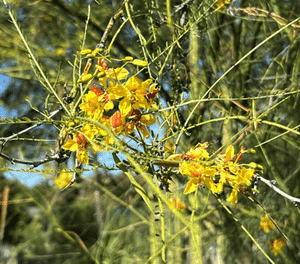
For jerusalem thorn, the arrival of mild temperatures after springâa period of vigorous developmentâis ideal for relocation. Select a brightly lit area with effective water runoff. Careful manipulation is crucial for safeguarding fragile roots throughout the transfer.
What Preparations are Needed Before Transplanting Jerusalem Thorn?
What is the Ideal Time for Transplanting Jerusalem Thorn?
The optimal period for relocating jerusalem thorn is from late spring to early summer. This timeframe ensures the plant establishes itself during warm, growth-promoting weather. Moving jerusalem thorn then allows its root system to develop before the intense heat of mid-summer, boosting its resilience and vigor. This timing aligns with jerusalem thorn's natural growth cycle, providing it the best chance to flourish in its new spot.
How Much Space Should You Leave Between Jerusalem Thorn Plants?
You're off to a great start! Remember to provide ample room for jerusalem thorn, so position them approximately 15-25 feet (4.5 - 7.6 meters) apart. This ensures each plant has sufficient area to grow and thrive.
What is the Best Soil Mix for Jerusalem Thorn Transplanting?
Awesome! Jerusalem thorn prefers well-drained soil. Incorporate a foundational fertilizer such as compost or aged manure before planting. This supplies your plant with the necessary nutrients for vigorous development.
Where Should You Relocate Your Jerusalem Thorn?
You're nearly there! For jerusalem thorn, select a location that receives full sun exposure. Bright sunlight helps jerusalem thorn to develop and produce beautiful, healthy flowers. Keep it up, Green Thumb!
What Equipments Should You Prepare Before Transplantation Jerusalem Thorn?
Shovel or Spade
To excavate holes and assist in lifting the jerusalem thorn plant from its original position during removal.
Gardening Gloves
To safeguard your hands while handling soil and the plant.
Watering Can or Hose
To maintain soil moisture during transplanting and in the initial post-transplant phase.
Mulch
To conserve soil moisture and keep the root system cool.
Wheelbarrow or Container
To effortlessly move the jerusalem thorn plant from its initial spot to its new location.
How Do You Remove Jerusalem Thorn from the Soil?
How Do You Remove Jerusalem Thorn from the Soil?
From Ground: Begin by moistening the soil around the jerusalem thorn plant using a watering can or hose. Next, carefully use a shovel or spade to dig a wide circle around the plant, ensuring the root ball remains intact. Gradually work the shovel beneath the root ball, taking care to avoid root damage, and gently lift the plant out.From Pot: If your jerusalem thorn is in a pot, it's best to water it thoroughly first, allowing the water to soak in. Turn the pot on its side, tap it gently to loosen the plant and soil, then slide the plant out along with its shaped soil.From Seedling Tray: After watering, gently grasp the base of the jerusalem thorn plant, invert the tray, and tap it on the edge so the plant, its roots, and a small sphere of soil emerge. Be careful not to harm the delicate roots.
Step-by-Step Guide for Transplanting Jerusalem Thorn
Preparation
Excavate a hole in the chosen location, approximately twice the width and equal to the depth of the jerusalem thorn's root ball.
Placing the Plant
Position the jerusalem thorn into the hole. The top of the root ball should be level with or slightly above the surrounding soil; this will help prevent water from pooling at the stem's base.
Back-filling the Hole
Refill around the root ball with the excavated soil, gently tamping it down as you proceed to eliminate air pockets.
Watering
Thoroughly water the jerusalem thorn plant after planting to help settle the soil. Depending on its size, you may need to water it again after an hour, to ensure all the soil around the roots is moist.
Mulching
Spread a layer of mulch around the plant's base, but avoid direct contact between the mulch and the stem. This aids in retaining soil moisture and keeping the root area cool.
How Do You Care For Jerusalem Thorn After Transplanting?
Watering
Consistently water the jerusalem thorn plant for the initial few weeks until it is well-established. It should be continuously moist but never waterlogged.
Pruning
Trim any broken or dead branches to stimulate new growth. However, avoid excessive pruning as the plant requires its leaves for photosynthesis and development.
Monitoring
Observe the plant for any indications of transplant shock, such as drooping or discolored leaves. If these signs appear, consider adjusting light exposure and watering frequency.
Troubleshooting Common Issues with Jerusalem Thorn Transplantation.
When's the best time to move my jerusalem thorn?
For optimal outcomes, transplant your jerusalem thorn during late summer to early autumn or S3-S4, which provides the most favorable conditions for plant growth.
How much space should I allocate for jerusalem thorn in my garden?
Jerusalem thorn plants require ample room to grow. Provide them with a generous spacing of about 15 to 25 feet (4.5 to 7.6 meters) apart to ensure they flourish.
Should the young jerusalem thorn be transplanted in sun or shade?
Jerusalem thorn thrives in full sun. Position your jerusalem thorn where it can receive abundant sunlight daily for healthier development.
What type of soil is ideal when transplanting jerusalem thorn?
Jerusalem thorn adapts well to various soil types. However, it prefers well-draining soil. Therefore, prepare a spot with good drainage to prevent waterlogging, which can cause your jerusalem thorn to rot.
How deep should the hole for the jerusalem thorn transplant be?
When transplanting, dig a hole that is twice as wide and as deep as the root ball of your jerusalem thorn. This space allows the roots to spread and establish.
What's the best way to remove my jerusalem thorn from its current pot?
Carefully tilt the pot on its side and gently pull the jerusalem thorn by the base of its stem. Avoid damaging the root, as this could affect growth after transplanting.
What care should I provide after transplanting the jerusalem thorn?
After transplanting, water the jerusalem thorn regularly but avoid overwatering. Monitor its growth and check for any signs of plant stress like wilting or discoloration.
Do I need to fertilize my jerusalem thorn after transplanting?
While jerusalem thorn is not overly particular about nutrition, a light application of slow-release fertilizer after transplanting can encourage robust growth. Avoid over-fertilization as that can harm the plant.
My jerusalem thorn appears to be wilting after transplant, is that normal?
Some wilting post-transplant is normal as the jerusalem thorn adjusts to its new location. Keep it well-watered and it should recover. If wilting persists, consult a horticulturist.
How do I treat fungal growth on the jerusalem thorn post-transplant?
Fungal growth often indicates overwatering. Ensure the jerusalem thorn has adequate drainage. You can also treat it with a fungicide available at your local garden store.



