Enhancing Your Garden Design with the Jerusalem thorn Plant: A Landscaping Guide
1
Jerusalem thorn offers distinct visual appeal and flourishes in dry environments.
2
Proper placement of Jerusalem thorn in your landscape improves both its development and beauty.
3
Companion plants that prosper alongside Jerusalem thorn can form a harmonious and attractive garden.
Introducing Jerusalem Thorn into Garden Design
Overview of Jerusalem thorn's role in garden design
When designing a garden, selecting appropriate plants is key to achieving a unified and attractive landscape. Jerusalem thorn is an excellent option for gardeners seeking a distinctive plant that thrives in warm, arid conditions. Its striking appearance and resilience can provide both structure and visual interest across various garden styles.
Benefits of incorporating Jerusalem thorn in landscaping
Jerusalem thorn offers numerous advantages when utilized in landscape design. A primary benefit is its drought resistance, making it ideal for xeriscapingâa method of landscaping that minimizes or eliminates the need for irrigation. Furthermore, Jerusalem thorn can serve as a focal point or provide shade in gardens, thanks to its tall, spreading branches and delicate, fern-like foliage. These characteristics can add height, texture, and an exotic aesthetic to your garden.
Visual aesthetics: How does Jerusalem thorn enhance outdoor spaces?
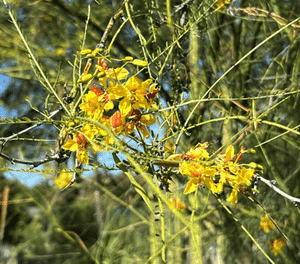
The visual appeal of Jerusalem thorn stems from its unique botanical features. Its slender, elegant leaves create intricate patterns of light and shadow, adding depth to any outdoor area. Additionally, Jerusalem thorn's vibrant, seasonal blooms can introduce a splash of color to your garden, fostering a cheerful and inviting atmosphere. Whether used as a backdrop, a central feature, or a natural canopy, Jerusalem thorn can transform the visual dynamics of your landscape.
Optimal Placement for Jerusalem Thorn in Your Landscape Plan
Considering sunlight and shade needs
When deciding where to plant Jerusalem thorn in your garden, its light requirements are crucial. Jerusalem thorn flourishes in full sun, requiring at least six hours of direct sunlight daily for robust growth. Ensuring adequate sunlight will help it reach its full potential, both in size and flowering. Avoid planting Jerusalem thorn in shaded areas where it may struggle to thrive and display its best qualities.
Soil preferences and topography
Another vital factor in placing Jerusalem thorn is understanding its soil preferences. Jerusalem thorn grows best in well-drained soils; it can even tolerate poor soil conditions but does not perform well in excessively moist environments. Therefore, positioning Jerusalem thorn on a slight incline or in naturally draining areas can prevent waterlogging and root rot. Assessing your garden's topography will help you choose the most suitable planting spot.
Strategic placement for optimal growth and visual impact
Strategic placement of Jerusalem thorn not only ensures healthy development but also maximizes its aesthetic contribution. Consider situating Jerusalem thorn where its height and canopy can offer shade over patios or seating areas, enhancing both utility and beauty. Additionally, using Jerusalem thorn as a natural barrier or to delineate garden paths can direct observers' attention and create an organized, elegant garden layout.
Companion Plants for Jerusalem Thorn
Choosing companion plants that thrive with Jerusalem thorn
Pairing Jerusalem thorn with suitable companion plants can optimize your garden's health and beauty. Plants that also prefer sunny, well-drained conditions make ideal partners. Succulents, ornamental grasses, and other drought-tolerant species can flourish alongside Jerusalem thorn, creating a harmonious and sustainable plant community. These companion plants complement Jerusalem thorn's aesthetic and environmental needs, simplifying maintenance and improving overall garden vitality.
Balancing color and texture in your garden
A well-balanced garden combines colors and textures for visual appeal. Jerusalem thorn's fine, feathery foliage contrasts beautifully with the bold, fleshy leaves of succulents or the soft, flowing blades of grasses. Incorporating a mix of plant textures can create depth and interest in your garden. Additionally, selecting companion plants with complementary or contrasting flower colors will ensure a dynamic and visually exciting landscape throughout the seasons.
Seasonal planting considerations
Seasonal planning is essential for maintaining a vibrant garden year-round. Arranging for a variety of plants that bloom at different times will keep your garden lively and colorful through various seasons. For instance, pair Jerusalem thorn with early spring bloomers, summer perennials, and late-flowering species to ensure continuous visual interest. This approach not only enhances the garden's aesthetic appeal but also supports local biodiversity by providing diverse resources for pollinators and wildlife throughout the year.
Maintaining the Aesthetic Appeal of Jerusalem Thorn
General maintenance tips for sustaining beauty
Maintaining Jerusalem thorn in your garden involves regular care to keep it healthy and attractive. Pruning is crucial to remove any dead or damaged branches, which promotes new growth and air circulation. Watering should be minimal once established, as Jerusalem thorn is drought-tolerantâover-watering can lead to root issues. Also, occasional fertilization with a balanced, slow-release fertilizer can support its growth and flowering.
Weather impacts on Jerusalem thorn and preventive care
Weather can significantly affect Jerusalem thorn. It thrives in hot, dry climates but can be susceptible to frost. In colder regions, consider positioning Jerusalem thorn in sheltered locations or employing frost protection techniques during cold spells. Also, during extended rainy periods, ensure good drainage to prevent waterlogging. Monitoring local weather forecasts and taking proactive measures can help maintain Jerusalem thorn's health and beauty year-round.
Long-term growth and development considerations
Long-term planning is essential when caring for Jerusalem thorn. Over time, it can develop into a large tree, so allowing ample space for future growth is crucial. Regular pruning helps manage its size and shape, ensuring it remains an attractive feature in your garden. Additionally, vigilance for pests and diseases and prompt intervention will support Jerusalem thorn's longevity and vitality, allowing it to flourish and enhance your landscape for many years.



