The Jerusalem thorn Plant Advantage: Maximizing Home and Office Appeal and Wellness
1
Jerusalem thorn excels at stopping soil degradation.
2
Its capacity to fix nitrogen benefits surrounding flora.
3
Jerusalem thorn tolerates dry conditions, making it perfect for arid regions.
Why is Jerusalem thorn an Environmentally Friendly Option?
Natural Ground Cover
A key characteristic of Jerusalem thorn is its remarkable capacity to prevent soil erosion. Its extensive root network stabilizes the earth, lessening the chance of erosion from wind and water. This is especially advantageous in areas prone to heavy rainfall or strong gusts, where soil loss can lead to significant land degradation.
Boosts Soil Richness
Jerusalem thorn plays a vital role in improving soil fertility. Its ability to fix nitrogen in the soil allows it to convert atmospheric nitrogen into a form that plants can readily absorb. This natural process enriches the soil, decreasing the need for synthetic fertilizers and fostering healthier plant growth in the surrounding vicinity.
How Does Jerusalem thorn Support Sustainable Farming?
Drought Resilience
In arid regions, where water scarcity is a major concern, the drought-resistant nature of Jerusalem thorn proves invaluable. Its deep root system enables it to access water from lower soil layers, ensuring its survival even during extended dry periods. This hardiness makes Jerusalem thorn a dependable plant species for sustainable agriculture in dry climates.
Pest Repellent
Jerusalem thorn possesses inherent qualities that deter pests and diseases, reducing the necessity for chemical pesticides. Its leaves and pods contain compounds that repel certain insects, offering a natural method of pest control. This characteristic can be transformative for farmers aiming to adopt more organic farming practices.
What Are the Urban Landscape Advantages of Jerusalem thorn?
Shade Provider
Urban settings often suffer from the 'urban heat island' phenomenon, where concrete and asphalt cause elevated temperatures. Jerusalem thorn offers much-needed shade with its broad canopy, helping to cool down urban areas. Planting Jerusalem thorn in parks, along streets, and in residential zones can significantly lessen heat and enhance overall comfort.
Visual Appeal
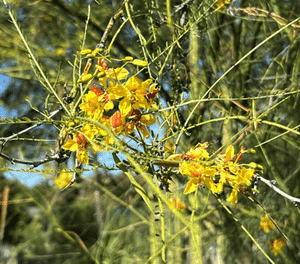
Jerusalem thorn is also valued for its aesthetic qualities. With its delicate foliage and vibrant yellow blossoms, it adds a touch of natural beauty to any landscape. Its distinctive appearance makes it a popular choice for ornamental planting, enhancing the visual charm of urban and suburban environments alike.
Can Jerusalem thorn Benefit Wildlife and Biodiversity?
Habitat Creation
Jerusalem thorn serves as a crucial habitat for various wildlife species. Its dense leaves provide shelter and nesting locations for birds and small mammals. Furthermore, the flowers attract pollinators such as bees and butterflies, supporting local biodiversity and promoting healthy ecosystems.
Food Source
Beyond providing shelter, Jerusalem thorn also functions as a food source. The plant's seeds and pods are consumed by different animal species, offering nutritional advantages and sustaining wildlife populations. By fostering a diverse array of animal life, Jerusalem thorn contributes to ecological balance and promotes the well-being of multiple species.



