How to Transplant Blindeyes?
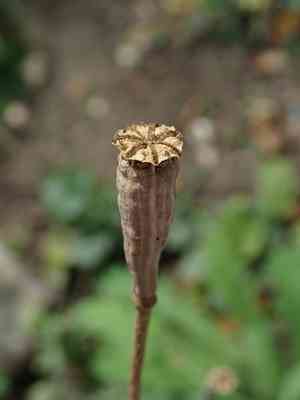
Relocate blindeyes during the warmer period of late spring through early summer for the best chance of thriving. Select a location featuring soil that drains effectively and offers shelter from powerful gusts. Careful management of the root system throughout the procedure is crucial for a smooth adaptation.
What Preparations are Needed Before Transplanting Blindeyes?
What is the Ideal Time for Transplanting Blindeyes?
The optimal period for relocating blindeyes is from late spring to early summer. Moving blindeyes during this timeframe takes advantage of consistent, warm temperatures, allowing root systems to acclimate without the stress of frost or intense midsummer heat. This timing aligns with rapid growth, enabling blindeyes to establish quickly, providing a strong foundation for flourishing throughout the growing season. Transplanting within this window promotes vigorous development, as milder weather conditions are favorable for root establishment and nutrient absorption, which is vital for annual and biennial plants like blindeyes. With the gentle warmth of early summer, blindeyes will experience the best conditions to thrive, setting the stage for a vibrant display.
How Much Space Should You Leave Between Blindeyes Plants?
To provide each blindeyes ample room to flourish, aim for a spacing of approximately 1-2 feet (30-60 cm) between them during transplantation. This will ensure sufficient space for development and access to necessary nutrients!
What is the Best Soil Mix for Blindeyes Transplanting?
Your blindeyes will thrive in rich, well-draining soil! Begin with fresh garden soil, incorporating compost or aged manure as a foundational fertilizer. This will create an ideal environment for your blindeyes to establish roots.
Where Should You Relocate Your Blindeyes?
A thriving blindeyes is a sun-loving blindeyes. Select a garden spot that receives direct, unobstructed sunlight for most of the day, but can also offer some afternoon shade during the hottest hours to protect your blindeyes.
What Equipments Should You Prepare Before Transplantation Blindeyes?
Gardening Gloves
To shield your hands from soil and sharp implements.
Shovel
A useful tool for excavating soil to remove the plant from its original spot and prepare the new hole.
Garden Trowel
A small hand tool effective for loosening soil around roots and digging minor holes.
Watering Can
To hydrate the plant before and after its relocation.
Mulch
Helps maintain soil moisture and inhibit weed growth.
Stakes and Ties
Offers support to the blindeyes plant, if required
How Do You Remove Blindeyes from the Soil?
How Do You Remove Blindeyes from the Soil?
From Ground: Thoroughly water the blindeyes plant a few hours prior to transplanting; a hydrated plant is easier to dig up. Carefully begin digging around the plant, ensuring at least 6 inches of clearance from the main stem. Gently pry beneath the root ball with your shovel and lift the plant from the ground.From Pot: Water the blindeyes plant thoroughly and allow a few minutes for absorption. Then, tilt the pot sideways, grasp the plant by its base, and attempt to slide it out. You might need to tap the pot's bottom to release it. Strive to minimize root damage during this process.From Seedling Tray: Water the tray, then gently lift the blindeyes plant by holding its base, trying to extract as much soil as possible to preserve root integrity.
Step-by-Step Guide for Transplanting Blindeyes
Preparation
Begin by watering the blindeyes plant in its current location. This facilitates easier removal without harming the root system. Prepare the new site by digging a hole twice the width and equal to the depth of the blindeyes plant's root ball.
Transplanting
Carefully position the blindeyes plant into the new hole, ensuring the top of the root ball is level with the ground. Backfill the hole with soil, gently firming it around the plant's base.
Watering
Immediately after transplanting, water the blindeyes plant thoroughly to moisten the soil, but avoid overwatering, which can wash away soil and expose roots.
Staking
If the blindeyes plant needs support, install stakes now and secure the plant to them with a soft material to prevent injury.
How Do You Care For Blindeyes After Transplanting?
Watering
Water consistently, especially during the initial weeks post-transplant, to help the blindeyes plant establish strong roots in its new spot. However, do not overwater, as blindeyes dislikes sitting in waterlogged conditions.
Pruning
Once blindeyes has finished blooming, prune it to encourage new growth and maintain a neat appearance. Remember to sanitize your pruning shears before and after use.
Checkup
Regularly inspect your blindeyes for any indications of disease or pest infestations. Take prompt action if you observe anything unusual
Troubleshooting Common Issues with Blindeyes Transplantation.
What's the ideal season for transplanting blindeyes?
Late spring or summer, between the third and sixth seasons, is perfect for transplanting blindeyes. Doesn't gardening in sunshine sound delightful?
What is the prime gap between blindeyes plants when transplanting?
Ensure blindeyes plants are spaced about 1-2 feet (30-60 cm) apart. This gives them room to grow without competing for nutrients; friends shouldn't be too close, right?
Why are my transplanted blindeyes plants wilting after a few days?
It's completely normal! Post-transplant wilting might be due to root shock. Just water them gently and regularly to aid their recovery. Healthy roots, happy plants!
In transplanting blindeyes, what type of soil works best?
Blindeyes prefers well-drained soil rich in organic matter. Consider adding compost or manure before planting. As they say, fertile soil, abundant blooms!
How often should blindeyes plants be watered after transplanting?
Water blindeyes enough to keep the soil consistently moist for the first week or two. However, avoid over-watering, or it will become a soggy mess.
Is it necessary to use fertilizer after transplanting blindeyes?
Yes, a slow-release fertilizer after transplanting blindeyes will promote vigorous growth. Like a chocolate boost for us, but for them, it's more of a nutrient blend!
Why are the leaves of my transplanted blindeyes turning yellow?
This could be due to poor drainage or over-watering. Adjust watering levels and ensure the soil drains effectively. If you see standing water, it's too much.
Can I transplant blindeyes in the winter?
It's not advisable to transplant blindeyes in winter. Stick to late spring or summer for a safe and successful transplantation. Save winter for staying cozy indoors!
While transplanting blindeyes, should I prune the plant?
Pruning isn't strictly necessary for blindeyes. However, removing dead or unhealthy stems helps redirect energy towards healthy growth. Like us shedding old coats for new ones!
How do I avoid fungal diseases when transplanting blindeyes?
Maintain adequate plant spacing and proper watering habits. Fungal diseases thrive in damp, crowded conditions. A little breathing room can help deter fungi!



