How to Prune Blindeyes?
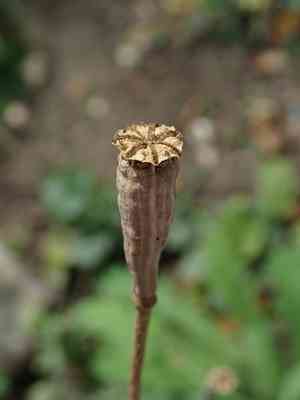
Blindeyes, an annual plant that reseeds itself and produces fragile blossoms, flourishes with little human involvement. Essential trimming methods involve removing faded flowers to encourage more blooming and reducing crowded sections to ensure proper airflow. The best time for pruning blindeyes is after flowering, from spring through autumn, which corresponds with its natural development period. Trimming blindeyes improves its appearance and stops it from becoming too dense, which is crucial for its well-being and for achieving maximum growth in garden settings.
What Are the Benefits of Pruning Blindeyes?
What Are the Benefits of Pruning Blindeyes?
Trimming blindeyes promotes vitality by encouraging new development and assists in maintaining its desired form. Consistent trimming ensures the plant stays robust and visually appealing.
What Is the Best Time for Pruning Blindeyes?
What Is the Best Time for Pruning Blindeyes?
Late spring to early summer is the optimal period for trimming blindeyes due to several considerations. Firstly, blindeyes finishes its flowering cycle by this time, allowing gardeners to trim without sacrificing the current year's blossoms. Pruning after blooming aids in fostering healthy growth and prepares the plant for the subsequent year's cycle. Furthermore, the danger of frost has passed, minimizing the likelihood of cold damage to fresh cuts. Trimming during this timeframe also provides ample opportunity for wounds to mend before the dormant season. Additionally, it helps to lessen the risk of disease and pest infestation, which is often higher in warmer, wetter months. Avoid autumn pruning as this can stimulate new growth that may not endure winter temperatures.
What Tools Do I Need to Prune Blindeyes?
Bypass Pruners
For precise, clean cuts through the relatively soft stems of blindeyes, bypass pruners are perfect. Their scissor-like action ensures minimal harm to plant tissues, encouraging better healing and reducing disease risk.
Snips
Ideal for removing faded flowers of blindeyes, snips offer accuracy and are easy to maneuver in tight spaces among delicate stems and blooms without causing undue stress to the plant.
Gloves
To safeguard hands from potential irritants while handling blindeyes, sturdy gardening gloves are crucial. They provide grip and protect against cuts or scrapes during the trimming process.
How to Prune Blindeyes
Clean Tools
Before starting, ensure all pruning tools are clean and sharp to prevent disease spread and make clean cuts from which blindeyes will recover more easily.
Identify
Inspect blindeyes to locate the withered leaves that require removal. Look for leaves that are brown, dry, or damaged, and note their position on the plant.
Snip Withered Leaves
Using your pruning shears, snip the withered leaves at their base where they connect to the stem or the main part of the leaf. Make an angled cut to allow water runoff and decrease the risk of disease entry.
Dispose
Carefully discard the withered leaves in a compost or waste bin. Do not leave them on the soil around blindeyes as they might harbor pests or diseases.
Clean Up
After pruning, clean the tools again to remove any sap or plant residue, and water blindeyes if necessary to support its recovery and health post-trimming.
Common Pruning Mistakes with Blindeyes
Over-Pruning
Removing excessive foliage from blindeyes can stress the plant, leading to weak development and fewer blossoms.
Pruning Into Old Wood
Blindeyes does not respond well to severe cutting back into old, non-green wood, as it might not regrow.
Improper Tool Use
Using dull or dirty pruning tools can cause damage and disease to blindeyes's stems, hindering growth and flowering.
Neglecting Plant Form
Random or excessive cutting without considering the natural shape of blindeyes can result in an undesirable appearance and impede its growth.
Ignoring Deadheading
Failing to remove spent blooms on blindeyes can prevent further flowering and may lead to unwanted self-seeding.
Common Pruning Tips for Blindeyes
Use Sharp Tools
Employ clean, sharp pruning shears to make precise cuts on blindeyes, which helps prevent disease and damage.
Prune For Health
Remove any dead, damaged, or diseased stems to maintain blindeyes's health and vigor.
Deadhead Regularly
Deadhead spent flowers on blindeyes to encourage further blooming and to maintain plant vitality.
Light Pruning
Conduct light, selective pruning to shape blindeyes and control its size without stressing the plant.
Post-Flowering Cuts
After blindeyes has flowered, cut back the stems to a healthy set of leaves to promote future growth.



