How to Propagate Blindeyes?
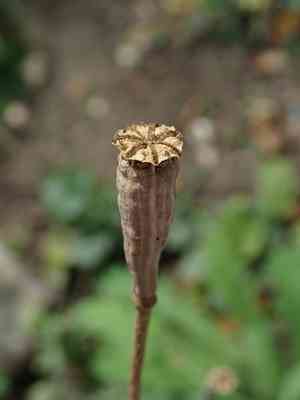
Blindeyes are predominantly multiplied by seeding. Cultivators ought to prepare a potting blend that drains effectively, position the seeds atop the surface, and gently conceal them with earth. Maintaining steady dampness and refraining from burying seeds too deeply are vital for successful sprouting. A bright location aids in peak development. Consistent irrigation, especially during arid spells, fosters robust growth once young plants appear.
What Is the Best Time To Propagate Blindeyes?
Propagation Type
Seed Sowing
Propagation Season
Spring
What Tools Are Used in Blindeyes Propagation?
Seed trays
Seed trays are perfect for initiating blindeyes's seeds. These containers help maintain consistent conditions for multiple seeds, allowing for easier management of soil moisture and temperature, which are vital for blindeyes's germination. Their shallow design accommodates the minimal soil covering blindeyes's seeds need, as they only require a thin layer of soil for proper development.
Fine vermiculite or perlite
These substances are utilized for covering blindeyes's seeds within the seed tray. Vermiculite or perlite possesses excellent water retention capabilities, aiding in keeping seeds moist without becoming saturated. Furthermore, these materials are sterile, preventing fungal infections that could harm delicate blindeyes seedlings.
Misting bottle
A misting bottle is crucial for gently irrigating blindeyes seeds. Aggressive watering methods can dislodge tiny seeds, but a misting bottle provides a fine, soft spray, ensuring seeds remain undisturbed while maintaining the necessary moisture level for germination.
Propagator with a humidity dome
This device offers a controlled humidity environment, which is essential for the successful germination of blindeyes. The humidity dome also assists in maintaining a stable temperature, shielding seeds from external temperature fluctuations. This regulated environment significantly boosts the germination rate and early growth stability of blindeyes.
Label and marker
Labels are vital for ensuring that different propagations are not confused. Marking the sowing date and species on the label helps in monitoring growth progress and provides valuable data for future propagation efforts.
How to Propagate Blindeyes?
Propagation Type
Simple
How to Care for Your Newly Propagated Blindeyes?
How to Care for Your Newly Propagated Blindeyes?
Following propagation, continue to provide blindeyes with consistent watering, ensuring the soil stays moist but drains well. Minimal additional feeding is required; a light application of a balanced fertilizer in early spring can encourage healthier blooms. As blindeyes is a relatively low-maintenance plant, monitoring for pests like aphids and providing basic care will be sufficient to maintain its health and vigor.
Common Mistakes to Avoid When Propagating Blindeyes
Overwatering
Excessive moisture can lead to root rot in young blindeyes seedlings, resulting in poor development and potential plant demise.
Planting depth
Sowing blindeyes seeds too deeply can prevent them from reaching the surface, as they require light for germination.
Overcrowding
Sowing blindeyes seeds too closely can result in competition for resources, decreasing the survival and growth rate of the seedlings.
Neglecting post-germination care
Failing to provide adequate light and water after germination can hinder the growth of blindeyes, as they are sensitive during their early developmental stages.
Ignoring soil condition
Blindeyes prefer well-drained soil; planting in compacted or waterlogged soil can impede root growth and overall plant health.
Tips For Propagating Blindeyes
Surface sowing
Scatter blindeyes seeds on the soil surface and gently press them into the substrate to ensure contact without burying, as they need light to germinate.
Adequate spacing
Space blindeyes seeds or seedlings appropriately to allow sufficient air circulation and resource availability for optimal growth.
Gentle watering
Water blindeyes carefully to keep the soil moist but not waterlogged, reducing the risk of damping off and other fungal diseases.
Well-draining soil
Provide a well-draining soil mix to promote healthy root development and prevent water accumulation around blindeyes roots.
Gradual exposure
Slowly acclimate blindeyes seedlings to outdoor conditions after germination to minimize shock and improve survival rates during transplanting.



