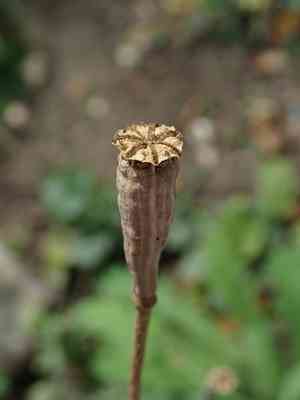
Blindeyes(Papaver dubium)

Blindeyes (Papaver dubium)

Also known as: Field poppy

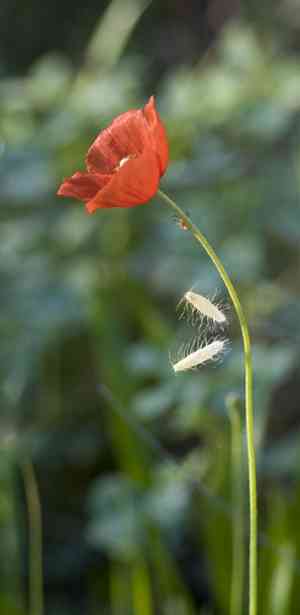
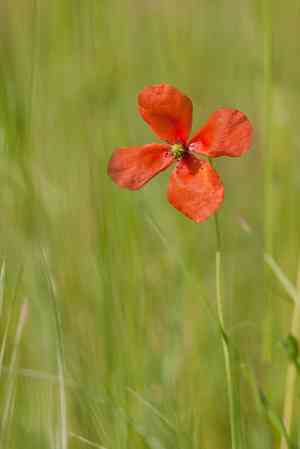
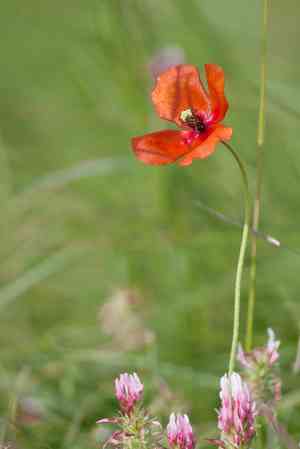
Blindeyes, also known as Long-headed Poppy (Papaver dubium), is an annual wildflower known to attract bees and other pollinators. It can grow up to 60 cm tall and features delicate reddish-orange flowers that bloom in late spring to early summer. The plant self-seeds prolifically, which can lead to it becoming invasive in some areas. Blindeyes thrive in full sun and can adapt to a variety of soil types, including sandy and calcareous soils. The seeds mature from summer to fall, ensuring the plant's propagation for the following year.

Attributes of Blindeyes

Lifespan
Annual, Biennial
Plant Type
Herb
Plant Height
70 cm
Spread
60 cm
Leaf Color
Green
Flower Size
3 cm to 7 cm
Flower Color
Red Orange

ForwardPlant - Identify plants with a snap

Identify and diagnose plants, get toxicity alerts, and explore safety guides for all types of fungi.

Try for Free

Images of Blindeyes

Blindeyes(Papaver dubium)

Quickly Identify Blindeyes

1
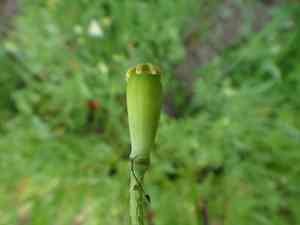
Papaver dubium can be identified by its long seed capsule, which is more cylindrical than that of other poppies. Its petals are bright red to orange and often have a distinctive dark center.

Scientific Classification of Blindeyes

Phylum
Vascular plants
Class
Dicotyledons
Order
Ranunculales
Family
Poppy
Genus
Poppies
Species
Blindeyes

Planting and Growing of Blindeyes

Care Difficulty
Easy
Watering Schedule
Every 4 days
Sunlight Requirements
Full sun
Sunshine Duration
6-8 hours
Ideal Temperature
60-70℉
Soil Type
Potting Mix, Peat Mix
Soil pH
6.5-7.5
Fertilizer Type
Balanced
Pruning Season
Spring, Summer
Pruning Area
Branches, Leaves
Pruning Frequency
2 times a year
Repotting Season
Spring
Pot Type
Plastic, Ceramic

water icon How to Water Blindeyes?

When watering Papaver dubium, aim to provide about 200 ml of water per session. Ensure the water is thoroughly absorbed by the soil without pooling on the surface or leaving the roots sitting in water. This principle helps maintain the optimal moisture without drowning the roots, mimicking the plant's natural growing conditions.
What are the symptoms of an underwatered Blindeyes?
What should I do if my Blindeyes is not getting enough water?
What are the symptoms of an overwatered Blindeyes?
How to save an overwatered Blindeyes?

sunlight icon What Are the Sunlight Requirements for Blindeyes?

Sunlight Requirements: Full sun, Partial sun
Duration of light: 6 to 8 hours
Papaver dubium prefers a bright location where it can bask in full sunlight for up to 8 hours. This lighting promotes healthy blooms and vigorous growth, essential for its ornamental and ecological value.
How much sunlight does Papaver dubium need?
What are the solutions for providing ideal sunlight?
What benefits does Papaver dubium get from ideal sunlight?
More About Sunlight Requirements Techniques

temperature icon What Is the Ideal Temperature Range for Blindeyes?

Ideal Temperature: 60 ~ 70℉
For optimal growth, Papaver dubium thrives in environments with a temperature range between 60°F and 70°F. This range promotes healthy development while minimizing stress and disease incidence. Maintaining these temperatures helps ensure the poppy plants establish strong roots and vibrant blooms.

soil icon What Soil is Best for Blindeyes?

Soil type: Sandy soil, Loam, Sandy loam
Soil PH: 6.5 ~ 7.5
Papaver dubium thrives best in well-drained soils, ensuring that its roots do not sit in water, which can lead to root rot. This condition promotes healthy root development and vigorous growth. This plant benefits from moderately fertile soils, which provide essential nutrients without overwhelming the roots. Balanced nutrition supports robust blossom production and overall plant vitality. Papaver dubium prefers soils with neutral pH levels ranging from 6.5 to 7.5. Neutral pH balances nutrient availability and aids in the plant's efficient absorption, leading to optimal health and growth.

fertilize icon How to Fertilize Blindeyes?

Fertilizer type: Balanced
For Papaver dubium, the fertilization amount should be moderate, as it is a hardy plant that thrives in nutrient-poor soils. A liquid fertilizer diluted to half-strength is advisable to avoid nutrient burn. When using slow-release fertilizers, only apply a small amount around the base of the plant, approximately 20 grams per square meter, to provide gradual nutrition over a longer period.

prune icon How to Prune Blindeyes?

Pruning Time: Spring, Summer
Begin by identifying and removing dead or faded flowers. This process, known as deadheading, encourages the plant to focus energy on developing healthy foliage and prevents unnecessary seed formation. Trim away any damaged or yellowing leaves. Cut back to a healthy point on the stem, promoting a tidier appearance and preventing disease spread. This improves air circulation within the plant. If necessary, gently shape the plant by trimming bushy areas. This not only keeps the plant looking attractive but also ensures that sunlight reaches all parts of the plant for uniform growth. More About Pruning Techniques

propagate icon How to Propagate Blindeyes plant?

Propagate Time: Late spring, Early summer
1
Select a well-draining soil mix, preferably sandy or loamy soil, for sowing Papaver dubium seeds. Amend it with organic matter to improve fertility. Ensure the soil is lightly moistened before sowing to encourage germination.
2
Scatter the Papaver dubium seeds evenly across the prepared soil surface. Do not cover them with soil as they require light for germination. Press down gently to ensure good contact with the soil.
3
Gently mist the soil surface after sowing to keep it evenly moist but not soggy. Avoid overwatering as this can lead to root rot. Consistent moisture levels promote healthy seedling growth.
More About Propagating Techniques

repot icon How to Repot Blindeyes plant?

Repotting frequency: Every two years
1
Papaver dubium shows it needs repotting when its roots start circling inside the pot, or when growth slows down significantly. The best time to repot this plant is after it finishes blooming, ensuring it's not stressed during peak growth.
2
Select a pot that is slightly larger than the current one, with adequate drainage holes. A clay or terracotta pot is ideal, as it prevents waterlogging and promotes good airflow around the roots, reducing the risk of root rot.
3
Opt for a well-draining sandy soil mix, enriched with a bit of organic matter. This composition supports Papaver dubium's natural habitat conditions, ensuring proper drainage and nutrient availability, crucial for healthy root development and blooming.

ForwardPlant - Identify plants with a snap

Find the best spots for them to optimize their health, simply using your phone.

Try for Free

Toxicity of Blindeyes

Is Blindeyes toxic to humans?

Blindeyes exhibits a mild level of toxicity in humans, with the entirety of the plant capable of inducing poisoning if ingested. In instances of accidental consumption, the toxic elements present in blindeyes can result in various symptoms. Affected individuals may suffer from gastrointestinal issues, manifesting as nausea, vomiting, and diarrhea. Furthermore, neurological symptoms, including dizziness, lethargy, and headaches, may also arise. The intensity of these symptoms can fluctuate depending on the amount consumed and the individual's sensitivity. It is crucial for individuals to exercise caution and steer clear of unintentional consumption of blindeyes, as every part of the plant carries the risk of toxicity.

Is Blindeyes toxic to cat?

Blindeyes presents a mild toxicity concern for cats. If felines accidentally or curiously consume any part of this plant, it may result in poisoning. As every part of the plant is toxic, cats face the possibility of encountering physical distress, sickness, or pain from any interaction with or ingestion of blindeyes. Cat owners must vigilantly supervise their pets and keep them away from blindeyes. Should ingestion occur, it is vital to watch for any symptoms of illness and urgently obtain veterinary assistance to safeguard their health and welfare.

Is Blindeyes toxic to dog?

The plant species known as blindeyes is recognized as having a mild level of toxicity for dogs. If a dog consumes any part of this plant, it can lead to poisoning, since the entire blindeyes plant is toxic. Dogs might inadvertently ingest the plant during outdoor activities or while exploring areas where blindeyes are present. Should a dog eat parts of blindeyes, signs of poisoning could arise, potentially including gastrointestinal distress, lethargy, or various mild clinical symptoms that vary depending on the dog's individual response to the toxin. It is essential for dog owners to diligently supervise their pets and restrict their access to this plant. If a dog does happen to ingest blindeyes, it is critical to obtain prompt veterinary assistance to ensure appropriate treatment and management of any symptoms.

Identify toxic plants for your safety

Learn which plants are harmful to you and your pets, and make informed choices for a safer home!

Try for Free
WARNING
The judgment on toxicity and danger is for reference only. We DO NOT GUARANTEE any accuracy of such judgment. Therefore, you SHALL NOT rely on such judgment. It is IMPORTANT TO SEEK PROFESSIONAL ADVICE in advance when necessary.
More About Toxic Techniques