How to Transplant Royal fern?
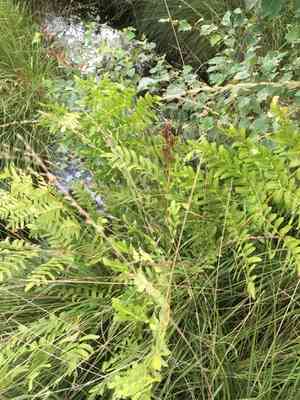
The optimal period for relocating royal fern is mid-spring, as its growth capacity is at its highest. Choose a shaded location with damp earth. Carefully move royal fern, making sure to disturb the roots as little as possible to encourage strong development.
What Preparations are Needed Before Transplanting Royal Fern?
What is the Ideal Time for Transplanting Royal Fern?
The optimal period for relocating royal fern is mid-spring, characterized by mild temperatures and consistent humidity. Moving your royal fern at this time promotes robust root development before the summer heat. This strategic timing capitalizes on spring's moderate climate, ensuring your royal fern can flourish in its new spot with reduced stress and enhanced growth prospects. A friendly reminder: transplanting your royal fern now guarantees a lush, vigorous plant ready to display its beauty all season!
How Much Space Should You Leave Between Royal Fern Plants?
For royal fern, maintain ample distance between each plant during transplantation. Aim for approximately 2-3 feet (60 - 90 cm) of separation. This spacing guarantees each individual has sufficient room to expand and develop. Much like humans, plants also require personal space to thrive!
What is the Best Soil Mix for Royal Fern Transplanting?
Appropriate soil and nutrients are crucial for royal fern. Select a loose, well-draining soil. Incorporate a base fertilizer rich in organic matter before planting, as this supports better growth. Envision this as preparing a nutrient-dense meal for your cherished plant!
Where Should You Relocate Your Royal Fern?
Royal fern thrives in shaded or partially shaded environments. Therefore, when transplanting, select a location that isn't excessively sunny. Consider it akin to yourself; prolonged exposure to intense sun can be overwhelming, and the same applies to our green companion, royal fern!
What Equipments Should You Prepare Before Transplantation Royal Fern?
Gardening Gloves
To protect your hands from potential harm when handling soil and royal fern.
Spade or Garden Trowel
Essential for excavating holes and extracting the plant from its original spot, whether in the ground or a container.
Garden Fork
Useful for loosening the soil around the plant if it needs to be removed from the ground.
Secateurs
These will assist in trimming any dead or overgrown sections of the plant.
Watering Can
For delivering the correct amount of water to the plant both before and after relocation.
Garden Hose
If the plant is large and requires a significant volume of water, a garden hose would be convenient.
Wheelbarrow
For effortless transport of the plant from one place to another, especially if it's a mature and sizable royal fern.
How Do You Remove Royal Fern from the Soil?
How Do You Remove Royal Fern from the Soil?
From Ground: Begin by moistening the royal fern plant to dampen the soil. Using a garden fork or spade, carefully dig around the plant without harming its root system. Maintain adequate distance between the plant and your digging point to ensure the root ball remains intact. Work the spade beneath the root ball and gently lift the plant from the ground.From Pot: Start by thoroughly watering the plant. Carefully invert the pot while supporting the royal fern plant's stem with your hand. Lightly tap the pot to release the plant; the root ball should slide out with the soil. Exercise caution to avoid damaging the roots.From Seedling Tray: Water the seedlings thoroughly, then gently separate them using a dibber or a pencil, holding them by their leaves to prevent damage to the stems or roots. Ensure the entire root system is unharmed during removal.
Step-by-Step Guide for Transplanting Royal Fern
Hole Preparation
Based on the size of the royal fern plant, excavate a hole that is 2-3 times wider than the root ball and of equal depth. This allows the roots to spread easily in the new location.
Plant Positioning
Hold the plant upright in the center of the hole. The top of the root ball should be flush with the ground level.
Soil Backfill
Gradually refill the hole with soil, ensuring no air pockets remain. The plant should stand straight and firm.
Watering
Once the plant is securely positioned in its new spot, water thoroughly. This will help settle the soil around the plant and provide hydration.
Mulching
Protect your transplanted royal fern with a layer of mulch around the plant, but not touching the stem, to retain soil moisture and suppress weeds.
How Do You Care For Royal Fern After Transplanting?
Watering Frequency
Keep the soil around the royal fern consistently moist for the initial few weeks until the plant establishes itself. However, avoid excessive watering as it can lead to root rot.
Trimming
Remove any dead or brown leaves that appear after transplanting. This can enhance the plant's overall health by directing more energy towards new growth.
Checking
Regularly inspect your royal fern to ensure it is adapting well to its new environment. Watch for any indications of disease or pest infestations and address them promptly.
Troubleshooting Common Issues with Royal Fern Transplantation.
When is the best time to transplant royal fern?
The optimal period to relocate royal fern is during late spring to early summer (S2-S3).
How should I space my royal fern when replanting?
To allow ample room for growth, maintain a distance of at least 2-3 feet (60-90 cm) between royal fern plants.
Why is my transplanted royal fern wilting?
Wilting may stem from insufficient watering or transplant shock. Ensure royal fern receives adequate moisture and has time to acclimate to its new location.
What kind of soil is best for transplanting royal fern?
Royal fern prefers moist, rich, well-drained soil. When transplanting, incorporate some organic matter to enhance soil conditions.
How deep should I plant royal fern while transplanting?
Dig a hole twice the width of the root ball but no deeper. The top of the root ball should be level with or slightly above the surrounding soil.
Do I need to prune royal fern before transplanting?
No, pruning is not required prior to transplanting. However, remove any dead or damaged fronds to redirect energy towards new growth and minimize transplant shock.
What is the suggested water requirement for a newly transplanted royal fern?
After transplanting, keep the soil consistently moist but not waterlogged. Regular watering is crucial in the first few weeks until the plant establishes itself.
How soon will royal fern recover after transplanting?
It typically takes several weeks for royal fern to recover from transplant shock. A healthy plant should exhibit new growth within 2-3 months.
Should I fertilize royal fern immediately after transplanting?
Avoid fertilizing right after transplanting as this can stress the plant. Wait until you observe new growth, usually after about 3 weeks.
Why is my transplanted royal fern not showing any new growth?
Don't worry, it might just be adjusting to its new environment. However, ensure you're providing adequate water, light, and check the soil for nutrient balance.



