How to Prune Royal fern?
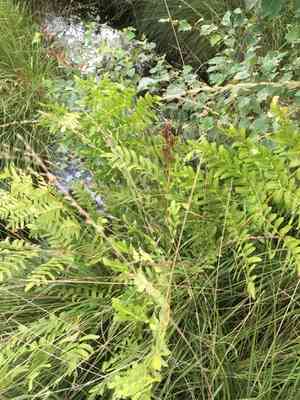
This substantial, leaf-shedding fern flourishes in damp, shaded environments. To preserve the royal fern's vitality and look, trim away withered fronds in early spring or late winter prior to the emergence of fresh foliage. Employ sharp, sanitized cutting tools to snip near the base, taking care not to harm nascent shoots. Consistent trimming fosters robust development, guarantees sufficient light penetration to all sections, and deters ailments by eliminating potential fungal breeding grounds. Pruning additionally aids in controlling its dimensions and form for visual appeal in the landscape.
What Are the Benefits of Pruning Royal Fern?
What Are the Benefits of Pruning Royal Fern?
Trimming royal fern promotes robust new development and helps maintain its desired form. This preserves the plant's structural integrity and visual appeal, while also improving air circulation within its foliage.
What Is the Best Time for Pruning Royal Fern?
What Is the Best Time for Pruning Royal Fern?
Pruning royal fern in late winter or early spring aligns with its dormant period, before new fronds appear. This timing minimizes stress on royal fern and allows for the removal of dead or damaged fronds without affecting its vigorous growth phase, which begins in spring. Pruning during this period helps maintain royal fern's health and vitality, as cuts have time to heal before the growing season, reducing the risk of disease and pest infestation.
What Tools Do I Need to Prune Royal Fern?
Bypass Pruners
Perfect for making clean cuts on royal fern without crushing stems, thanks to their scissor-like action.
Long-Handled Loppers
Useful for reaching into the royal fern's crown where shorter pruners can't, providing leverage for cutting thicker stems.
Gardening Gloves
Essential for protecting the gardener's hands from rough fronds and potential skin irritants when handling royal fern.
Hand Saw
Needed for any thicker, woody stems that bypass pruners and loppers can't handle effectively, ensuring precise cuts without harming royal fern.
How to Prune Royal Fern
Clean tools
Sanitize pruning shears or scissors to prevent disease spread to royal fern.
Identify
Carefully inspect royal fern to locate diseased or withered leaves requiring removal.
Cut diseased leaves
Using sterilized tools, precisely cut diseased leaves at their base where they meet the stem, ensuring not to harm healthy parts of royal fern.
Remove withered leaves
Gently trim away withered leaves using the same method, cutting at the base to encourage healthy growth and improve air circulation for royal fern.
Dispose
Discard removed material far from royal fern to prevent any potential spread of disease or pest infestation.
Common Pruning Mistakes with Royal Fern
Overpruning
Cutting back royal fern too severely can weaken the plant and diminish its vigor. Royal fern typically requires minimal pruning; excessive trimming can result in sparse fronds or damage to the plant's natural shape.
Improper cut locations
Snipping fronds in incorrect spots can lead to unhealthy growth. Making cuts too far from the crown may leave unsightly stubs, while cutting too close can damage the crown itself.
Removing green fronds
Removing healthy, green fronds limits the plant's ability to photosynthesize and maintain its health. It is crucial to only remove brown, dead, or damaged fronds.
Not sanitizing tools
Using uncleaned and unsanitized pruning tools can spread disease to royal fern. Ensuring tools are disinfected before use will help prevent the transmission of pathogens.
Common Pruning Tips for Royal Fern
Identify fronds to remove
Carefully select only the dead or dying fronds for removal, preserving the green, healthy ones to maintain the royal fern's vigor.
Proper tool selection
Use sharp, clean shears or scissors for cutting to ensure clean cuts that heal quickly, minimizing stress on royal fern.
Appropriate cut angle
Cut fronds at an angle, away from the crown, to prevent water accumulation that could cause rot or disease in the crown of royal fern.
Post-pruning care
After pruning, water royal fern adequately and consider applying a balanced fertilizer to support recovery and encourage vibrant new growth while avoiding feeding during dormant seasons.



