The Royal fern Plant Advantage: Maximizing Home and Office Appeal and Wellness
1
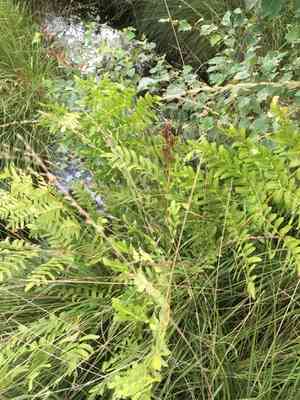
The majestic appearance of the royal fern makes it an excellent choice for impressive landscape designs.
2
This plant flourishes in damp, well-draining soil and partial shade, offering flexibility for various garden environments.
3
Royal fern enhances soil vitality through its distinctive root system and nutrient cycling process.
What Makes Royal Fern So Special?
Visual Appeal
Royal fern is celebrated for its expansive, delicate fronds that gracefully spread, creating a rich, tropical atmosphere in any location. These striking visual traits make it an ideal plant for adding an exotic touch to gardens, water features, and shaded spots.
Versatility
A notable characteristic of Royal fern is its adaptability. It flourishes in various soil types, especially moist, well-drained ones, and can thrive in both shaded and partially sunny environments. This makes it a flexible addition to diverse garden arrangements, whether in urban backyards or sprawling rural landscapes.
How Does Royal Fern Benefit Your Garden?
Soil Enrichment
The root system of Royal fern plays a vital role in improving soil health. Its roots aid in aerating the soil, allowing for better water retention and nutrient availability. This, in turn, supports the growth of neighboring plants and maintains the overall balance of the ecosystem.
Erosion Prevention
Royal fern can be crucial in preventing soil erosion, thanks to its extensive root network. By stabilizing the soil and reducing runoff, it helps prevent erosion in both garden settings and natural landscapes, making it an excellent choice for areas prone to soil displacement.
Can Royal Fern Improve Local Biodiversity?
Wildlife Habitat
Royal fern offers an important habitat for various wildlife species, particularly in wetland areas. Its dense foliage provides shelter and breeding grounds for insects, birds, and small mammals, thereby enhancing local biodiversity and fostering a more vibrant ecosystem.
Pollinator Support
While Royal fern itself isn't particularly known for its flowers, its presence can support the surrounding flora that attract pollinators. By maintaining a healthy and diverse plant environment, Royal fern indirectly contributes to the well-being of essential pollinating species, which are vital for the health of many agricultural and ecological systems.
What Are the Landscape Design Benefits of Royal Fern?
Creating Visual Anchors
Due to its grand and lush appearance, Royal fern serves as an excellent focal point in landscape designs. Placed strategically, it can enhance the visual appeal of garden beds, water features, and pathways.
Complementing Other Plants
Royal fern's versatile growing conditions make it an excellent companion plant. It can complement a variety of other plants, from ground covers to taller shrubs, by providing texture contrasts and depth to garden layouts.
Why Should You Consider Royal Fern for Your Garden?
Effortless Upkeep
One of the main advantages of Royal fern is its low maintenance requirements. It is relatively pest-resistant and does not demand frequent pruning or specialized care. This makes it a practical choice for both novice gardeners and experienced landscapers.
Environmental Contributions
Beyond its visual and practical benefits, Royal fern plays an important role in environmental sustainability. Its ability to stabilize soil, support wildlife, and contribute to healthy soil conditions makes it an asset in ecological preservation efforts.



