How to Transplant Rose evening primrose?
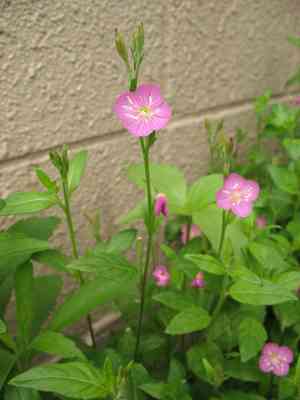
The most favorable period for relocating rose evening primrose is in the pleasant warmth of early summer, which guarantees vigorous development. Select a bright spot with soil that drains effectively. Should space be limited, carefully separate the roots to promote wider distribution.
What Preparations are Needed Before Transplanting Rose Evening Primrose?
What is the Ideal Time for Transplanting Rose Evening Primrose?
The best time to move rose evening primrose is during late spring through mid-summer. This period allows rose evening primrose to establish well, as soil temperatures are optimalânot too cold from winter, nor excessively hot like late summer. The moderate weather during these months promotes strong growth without the stress of intense heat, making it an ideal window for rose evening primrose to flourish.
How Much Space Should You Leave Between Rose Evening Primrose Plants?
Hello, gardener! Before relocating your rose evening primrose, ensure they have ample room to thrive. Aim for a spacing of approximately 12-18 inches (30-45 cm) between each plant. This provides rose evening primrose with sufficient space to develop into a stunning display without becoming overcrowded!
What is the Best Soil Mix for Rose Evening Primrose Transplanting?
To create an inviting bed for your rose evening primrose, combine well-draining soil with a balanced slow-release fertilizer. Loamy soil is preferred, but they are adaptable. Just ensure the soil is fertile and retains moisture without becoming waterlogged.
Where Should You Relocate Your Rose Evening Primrose?
Find a sunny location where the sun warms the ground for your rose evening primrose. These plants thrive in full sunlight but can tolerate some partial shade. Ensuring they receive at least 6 hours of daily sunlight will keep them producing vibrant blooms!
What Equipments Should You Prepare Before Transplantation Rose Evening Primrose?
Gardening Gloves
To safeguard your hands when handling rose evening primrose and its root system.
Shovel or Spade
For digging around and beneath the plant to carefully extract it from its original spot.
Garden Fork
To gently loosen the soil surrounding the plant's roots without causing harm.
Pruning Shears
To trim away any dead or damaged roots prior to transplanting.
Watering Can or Hose
For hydrating the rose evening primrose before removal and after replanting.
Wheelbarrow or Garden Cart
For moving the plant and soil.
Measuring Tape
To ensure correct spacing between transplanted rose evening primrose specimens.
How Do You Remove Rose Evening Primrose from the Soil?
How Do You Remove Rose Evening Primrose from the Soil?
From Ground: First, thoroughly water the rose evening primrose a day before transplanting to ensure moist soil and hydrated roots. Next, use a shovel or spade to dig a wide trench around the plant, being careful not to damage the root system. Gently lift the plant, keeping as much of the root ball intact as possible.From Pot: Water the rose evening primrose well before starting. Turn the pot on its side, hold the plant by its base, and gently tap the bottom to help it slide out. If it resists, use a garden fork to carefully loosen the soil around the pot's edges.From Seedling Tray: rose evening primrose seedlings require delicate handling to avoid harming their fragile roots and shoots. Water the tray beforehand to facilitate removal. Use a spoon or similar tool to lift each seedling by its root ball, minimizing root disturbance.
Step-by-Step Guide for Transplanting Rose Evening Primrose
Preparation
Ensure all tools are clean and ready. This prevents disease and pest transfer to your rose evening primrose. Measure spacing between planting spots to avoid overcrowding and promote healthy rose evening primrose growth. Prepare a watering solution with root-boosting supplements if recommended by product instructions or a gardening expert for rose evening primrose. This can strengthen roots as they adapt. Finally, ready the wheelbarrow or garden cart for transporting the plant and any necessary soil amendments.
Plant Removal
Using the method described in the removal section, carefully extract your rose evening primrose from its current location. If the root ball is particularly large or heavy, seek assistance to prevent injury or damage to the plant.
Transplanting Hole
Dig a hole in the new spot that is twice as wide and as deep as the rose evening primrose's root ball. This allows roots ample room to spread. If moving multiple plants, maintain the spacing previously measured with the tape.
Placement
Once the hole is prepared, place the rose evening primrose into it, ensuring the top of the root ball is level with the surrounding soil. Exposed roots can be vulnerable to environmental factors and pests.
Soil Adjustment
Backfill the hole with the excavated soil, gently firming it around the root ball to eliminate air pockets that can dry out roots and hinder growth.
Watering
Water the rose evening primrose deeply after planting to help settle the soil around the roots and hydrate the plant. If using a supplemental watering solution prepared earlier, apply it according to product instructions or a gardening expert's advice.
Support
If the rose evening primrose is large or has a sprawling growth habit, consider using stakes or other supports to keep it upright and stable while its roots establish in the new location.
How Do You Care For Rose Evening Primrose After Transplanting?
Monitoring
Regularly inspect the plant for any indications of stress, such as wilting foliage or discoloration. Early detection is vital for prompt corrective action.
Adjusting Support
If supports were used during transplanting, monitor them to ensure they remain effective and are not harming the rose evening primrose as it grows. Adjust as necessary.
Supplemental Watering
Water the rose evening primrose sufficiently during the initial few weeks to a month post-transplant to encourage root establishment. Water deeply to promote downward root growth, but avoid over-watering to prevent root rot.
Pruning
Remove any dead or damaged growth, which can drain the plant's energy or create entry points for disease. Pruning helps direct the rose evening primrose's energy towards developing strong roots and new growth.
Observe Root Growth
After several weeks, gently check near the plant's base to confirm new roots are growing and spreading in the soil. This indicates successful transplanting.
Troubleshooting Common Issues with Rose Evening Primrose Transplantation.
When is the best time to transplant rose evening primrose?
The ideal period for relocating rose evening primrose is from late spring to mid-summer for optimal root establishment.
How much space do rose evening primrose need when transplanting?
Allow rose evening primrose ample room to grow by spacing them approximately 12-18 inches (30-45 cm) apart.
What should I do if my rose evening primrose wilts after transplanting?
Ensure adequate watering. Rose evening primrose may wilt from transplant shock, but recovers with consistent moisture and partial shade for a few days.
Why are the leaves of my transplanted rose evening primrose turning yellow?
Yellowing leaves can indicate over-watering or poor drainage. Check soil moisture and improve drainage around the plant.
How deep should I plant rose evening primrose when transplanting?
Plant rose evening primrose at the same depth they were previously growing, typically with the crown at soil level.
Can I transplant rose evening primrose in full sun?
Yes, rose evening primrose thrives in full sun. Just ensure the soil remains moist after transplanting for better acclimation.
How do I prepare the soil before transplanting rose evening primrose?
Enrich the soil with compost or well-rotted manure to provide rose evening primrose with nutrients for vigorous growth.
What's the indicator that rose evening primrose is ready for transplant?
Look for a well-developed root system and new growth, signaling that rose evening primrose is robust enough for transplanting.
Should I prune rose evening primrose before or after transplanting?
Lightly prune rose evening primrose before transplanting to lessen transplant shock and encourage new growth more effectively.
How often should I water rose evening primrose after transplanting?
Water rose evening primrose deeply once transplanted, then regularly to maintain consistent soil moisture without over-saturating.



