Enhancing Your Garden Design with the Rose evening primrose Plant: A Landscaping Guide
1
The rose evening primrose produces delightful blossoms that bring a subtle elegance to any outdoor space.
2
This resilient plant, the rose evening primrose, needs little upkeep, making it ideal for gardeners with limited time.
3
Rose evening primrose has the ability to draw in helpful pollinators, thereby enriching your garden's ecological variety.
Introducing Rose evening primrose in Garden Design
Appreciating the Aesthetic Charm of Rose evening primrose
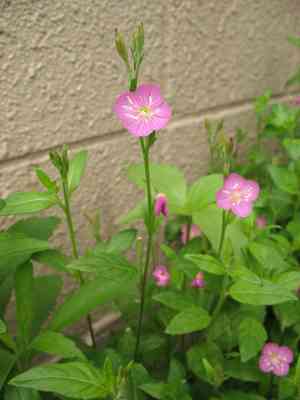
Rose evening primrose enhances any garden setting with its lively, delicate blossoms. These flowers, typically pink, make Rose evening primrose a prominent feature in your garden, even from afar. Its rich green leaves provide an ideal backdrop, making the blooms stand out further. Visual appeal isn't solely about color; Rose evening primrose's distinct form can add a textural element to your garden, creating depth and visual interest that captivates the eye.
Advantages of Incorporating Rose evening primrose into Your Garden
Adding Rose evening primrose to your garden offers numerous advantages. This plant is notably resilient and flourishes with minimal upkeep, making it ideal for both new and seasoned gardeners. Furthermore, Rose evening primrose boasts a relatively long flowering period, ensuring your garden remains vibrant for an extended duration. It is known to attract beneficial pollinators, such as bees and butterflies, which can bolster the overall health of your garden's ecosystem. Additionally, Rose evening primrose can serve as a ground cover to prevent soil erosion and control weeds, thereby boosting both the utility and beauty of your garden.
Designing Your Outdoor Space with Rose evening primrose
Selecting the Optimal Location for Rose evening primrose in Your Garden
Choosing the ideal spot for Rose evening primrose is vital for maximizing its impact. This plant thrives in well-drained soil and prefers areas that receive full sun to partial shade. When picking a location, consider placing Rose evening primrose where its delicate flowers can be easily admired, such as along garden paths or near seating areas. Avoid low-lying spots prone to waterlogging, as excessive moisture can hinder the plant's growth. By ensuring Rose evening primrose is well-positioned, you enhance its visual appeal and encourage robust growth.
Pairing Rose evening primrose with Companion Plants
To achieve a cohesive garden design, it's important to combine Rose evening primrose with complementary plants. Consider plants that share similar light and soil needs, such as lavender or ornamental grasses. Integrating Rose evening primrose with plants that have contrasting foliage colors or textures can create a visually striking display. For instance, the soft, feathery leaves of ferns can offer a beautiful contrast to the bold flowers of Rose evening primrose. Additionally, consider seasonal bloom times to ensure your garden remains colorful throughout the year.
Innovative Ways to Integrate Rose evening primrose in Landscape Schemes
The adaptability of Rose evening primrose allows for many creative applications in garden designs. You can use Rose evening primrose as a border plant to define garden beds or pathways, adding a gentle and inviting touch to your landscape. It also performs well in rock gardens, where its vibrant flowers can beautifully contrast with stone elements. For a more dynamic design, consider incorporating Rose evening primrose into container gardens, enabling you to move and rearrange the plants as needed. Creating sweeps or groupings of Rose evening primrose can also mimic a natural meadow, bringing a touch of wild charm to your garden.
Care Guidelines for Rose evening primrose
Seasonal Upkeep for Peak Performance
Caring for Rose evening primrose requires attention to seasonal shifts. In the spring, prune any dead or damaged stems to encourage new growth and improve the plant's form. During the active growth period, consistent watering is crucial, especially during dry spells. Applying mulch around the plant's base can help retain moisture and suppress weeds. In the autumn, consider cutting back the plant to prepare it for winter dormancy. Applying compost or a balanced fertilizer in early spring and late summer can also support vigorous growth and abundant blooms.
Common Problems and Simple Solutions for Rose evening primrose
While Rose evening primrose is relatively low-maintenance, it can still encounter typical garden issues. Overwatering can lead to root rot, so ensure proper drainage and avoid excessive irrigation. Pests like aphids may occasionally target Rose evening primrose; you can manage these by using natural predators like ladybugs or applying insecticidal soap. If powdery mildew appears, improve air circulation around the plant by spacing it adequately and removing any affected leaves. Regular observation and prompt intervention can keep Rose evening primrose healthy and flourishing.
Rose evening primrose's Influence on Biodiversity and Ecosystem
How Rose evening primrose Supports Local Fauna
Rose evening primrose plays a significant role in supporting local wildlife. Its flowers are a valuable nectar source for various pollinators, including bees and butterflies, which are essential for the pollination of many other plants. Furthermore, Rose evening primrose can also provide habitat for beneficial insects, contributing to a balanced and healthy garden ecosystem. By attracting these pollinators and insects, Rose evening primrose helps to create a more vibrant and lively garden environment.
Contributions of Rose evening primrose to the Garden's Ecosystem
Beyond its visual appeal, Rose evening primrose contributes positively to the garden ecosystem. Its deep root system can help stabilize soil, preventing erosion and improving soil structure. This plant also enhances soil health by aiding in nutrient cycling and supporting microbial activity. Additionally, Rose evening primrose can act as a companion plant, helping to suppress weeds and provide ground cover. By integrating Rose evening primrose into your garden, you not only beautify the space but also promote a healthier, more resilient environment.



