How to Prune Rose evening primrose?
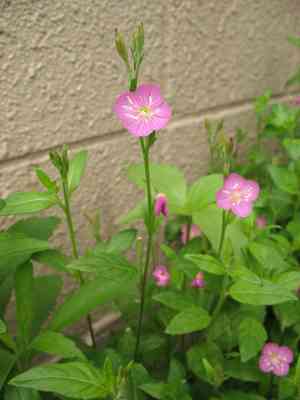
Recognized for its pink blossoms that draw in beneficial insects, rose evening primrose flourishes with periodic trimming to enhance its vitality and appearance. Regularly cut away faded flowers and any dead or compromised stems to stimulate fresh development. The most suitable time for pruning extends from spring through autumn, coinciding with its period of active development. Pruning during this interval reduces strain on the plant and encourages more blooms. Effective pruning results in a more robust rose evening primrose, featuring thicker foliage and profuse flowering, thereby boosting its decorative appeal.
What Are the Benefits of Pruning Rose Evening Primrose?
What Are the Benefits of Pruning Rose Evening Primrose?
Trimming rose evening primrose promotes more prolific flowering and a vigorous growth habit. It also helps maintain a compact, visually appealing form, ensuring the plant fits well within garden spaces.
What Is the Best Time for Pruning Rose Evening Primrose?
What Is the Best Time for Pruning Rose Evening Primrose?
Pruning or trimming rose evening primrose in Spring is ideal for removing any dead or damaged growth from winter, stimulating new growth, and shaping the plant before it uses energy on developing foliage. Early Summer pruning helps manage the size of rose evening primrose, encourages a second bloom, and maintains its ornamental appearance. Fall pruning is beneficial for removing any spent blooms and seed pods, which can contribute to a tidier appearance and potentially prevent unwanted self-seeding. These seasons ensure that rose evening primrose is not stressed during the hot summer peak or the cold winter months, which could make it vulnerable to damage or disease. Additionally, pruning during these times aligns with the growth cycle of rose evening primrose, facilitating recovery and promoting vigor for the next blooming period.
What Tools Do I Need to Prune Rose Evening Primrose?
Hand pruners
Essential for making precise cuts on rose evening primrose's stems, appropriate for the thin, herbaceous nature of the plant.
Pruning shears
Suitable for trimming and shaping the foliage of rose evening primrose, allowing for clean cuts without damaging the plant.
Gloves
Protects gardener's hands from potential irritants when handling rose evening primrose, ensuring a safe pruning process.
Pruning saw
Useful for any thicker or woodier stems rose evening primrose may develop, though generally not necessary for a plant of this type.
Garden scissors
Ideal for deadheading spent blooms on rose evening primrose to encourage further flowering and prevent self-sowing if not desired.
How to Prune Rose Evening Primrose
Cleaning
Sanitize pruning tools before starting to ensure rose evening primrose's cuts are not exposed to pathogens.
Diseased Leaves
Carefully remove diseased leaves from rose evening primrose to prevent spreading infections. Use clean cuts and avoid tearing.
Withered Leaves
Trim away any withered leaves from rose evening primrose to encourage new growth and improve air circulation around the plant.
Withered Flowers
Snip off withered flowers from rose evening primrose to promote continued blooming and prevent the plant from putting energy into seed production.
Cleanup
Dispose of all removed material from rose evening primrose away from the garden to minimize the risk of disease spread and deterring pests.
Common Pruning Mistakes with Rose Evening Primrose
Over Pruning
Removing too much foliage at once can stress rose evening primrose, resulting in weak growth or reduced flowering.
Improper Cut Location
Cutting too far from a bud can lead to dieback, while cutting too close can damage the bud.
Using Dull Tools
Dull pruning tools may harm rose evening primrose by leaving jagged cuts that are susceptible to disease.
Neglecting Deadheading
Failing to remove spent blooms can decrease the vigor and appearance of rose evening primrose, as it prevents the plant from putting energy into unnecessary seed production.
Avoiding Regular Maintenance
Skipping regular pruning can lead to rose evening primrose becoming overgrown, which can reduce airflow and increase the likelihood of diseases.
Ignoring Plant Health
Pruning without first assessing the health of rose evening primrose might remove healthy growth instead of targeting dead, dying, or diseased stems.
Pruning At Random
Random, non-strategic cuts can result in an undesirable shape and may harm the natural growth pattern of rose evening primrose.
Common Pruning Tips for Rose Evening Primrose
Clean Cuts
Make sure cuts are clean and angled, allowing water to run off and reducing the risk of disease in rose evening primrose.
Appropriate Tools
Use sharp bypass pruners or shears to make precise cuts that will heal quickly and minimize stress to rose evening primrose.
Deadheading
Regularly remove faded flowers to promote further blooming and maintain the appearance of rose evening primrose.
Thin Out
Thin out crowded areas to increase light penetration and air circulation, which will enhance the overall health of rose evening primrose.
Rejuvenation
Consider performing rejuvenation pruning if rose evening primrose is old or overgrown, by selectively removing older stems to encourage fresh growth.
Health Check
Before pruning, examine rose evening primrose for any signs of pests or diseases and prune away the affected areas to prevent further spread.
Timing Execution
While this resource does not mention the best season, it is important to time your pruning correctly to avoid disrupting rose evening primrose's growth cycle.
Growth Pattern Respect
Understand and follow the natural shape of rose evening primrose when pruning to encourage the plant's inherent growth patterns.



