How Much Sunlight Do Rose evening primrose Need?
1
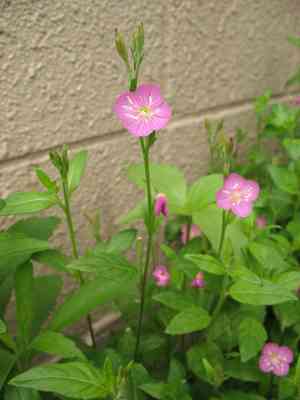
Rose evening primrose flourishes with ample sun exposure, requiring a minimum of 6 hours of direct light daily.
2
Excessive direct sun can result in leaf burn, causing foliage to turn yellow or brown.
3
In the summer, it's crucial to shield Rose evening primrose from intense midday solar rays.
Rose evening primrose Light Requirements
Optimal Sun Exposure
For Rose evening primrose to truly flourish, ample sunlight is vital. This species thrives when exposed to direct sun for six or more hours daily. This ensures the plant receives sufficient energy for vigorous development and abundant blossoms. Positioning your Rose evening primrose where it gets both morning and afternoon sun is perfect.
Partial Shaded Conditions
While Rose evening primrose prefers full sun, it can endure some shade. In areas with extremely hot climates, partial shade can actually shield the plant from intense rays, preventing potential leaf damage. If placed in partial shade, ensure it still receives at least 4 to 5 hours of direct sunlight. This balance will allow healthy growth while avoiding the severity of prolonged peak sun exposure.
How to Determine Proper Light for Rose evening primrose
Indicators of Adequate Light
When Rose evening primrose is getting the correct amount of light, you'll observe several positive signs. The foliage will display a healthy, vibrant green hue, and the plant will produce frequent flowers. Additionally, overall growth will be lush and robust, with no indications of sparse or leggy development.
Indicators of Insufficient Light
Inadequate light can lead to several noticeable symptoms in Rose evening primrose. Look for pale or yellowing leaves, elongated stems (a condition known as etiolation), and a reduction in blooming. Plants may become weaker and more vulnerable to pests and diseases when they lack proper light exposure.
Impacts of Excessive Light
While light is crucial, too much can be harmful. Overexposure to sunlight can cause leaf scorch, where leaf edges and tips turn yellow or brown. In severe instances, the entire leaf may become burned and perish. Ensuring Rose evening primrose receives enough, but not excessive light, is key to maintaining its vitality.
Adjusting Light Exposure for Rose evening primrose
Seasonal Adjustments
Sunlight intensity and duration vary with the seasons. During spring and summer, the sun is stronger and days are longer, providing ample illumination. However, in fall and winter, the sun's intensity diminishes, and daylight hours shorten. During colder periods, consider relocating your Rose evening primrose to a brighter spot or supplementing light with artificial sources where natural light is insufficient.
Utilizing Artificial Illumination
In situations where natural light is insufficient, artificial lights can be invaluable. Employ full-spectrum grow lights to supplement illumination, especially during winter months. Position the light source approximately 30 cm (12 inches) above the plant, and provide 12-14 hours of light daily to mimic natural daylight cycles.
Protection from Intense Sun
In regions with strong sunlight and heat, it's essential to shield Rose evening primrose from the harsh midday sun, which can exceed 35°C (95°F). Use shade cloths or move potted plants to a location that offers partial shade during the hottest parts of the day. This helps prevent leaf burn and stress.
Placement Advice for Optimal Light Exposure
Ideal Garden Location
When planting Rose evening primrose in your garden, choosing the correct spot is crucial. Select a location where the plant can receive at least six hours of direct sunlight daily. An east-to-south orientation is typically best, as it allows the plant to benefit from morning and midday sun while avoiding the intensity of the late afternoon sun. Ensure the soil drains well to prevent waterlogging, which can be detrimental to the plantâs health.
Best Indoor Spots
If you are cultivating Rose evening primrose indoors, placing the plant near a south-facing window is perfect. This ensures it receives maximum sunlight throughout the day. If this isn't feasible, consider using grow lights to supplement natural light. Remember to rotate the plant periodically to ensure even light exposure on all sides, promoting balanced growth.



