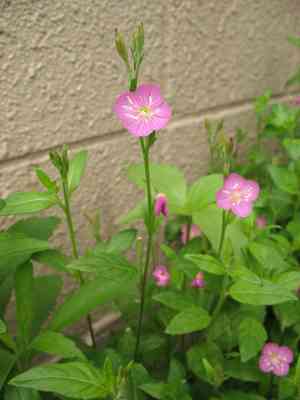
Rose evening primrose (Oenothera rosea)
Also known as: Rosy evening-primrose
Rose evening primrose (Oenothera rosea), native to Mexico and the southwestern U.S., flourishes in well-drained soil, typically found in prairies and meadows. It does well in both full sun and partial shade. The vibrant flowers of this perennial bloom from late spring through mid-summer, opening in the evening and staying open until morning. The plant's seed pods are notably papery in texture.
In This Article
Attributes of Rose evening primrose
Lifespan
Perennial
Plant Type
Herb
Plant Height
15 cm to 45 cm
Spread
15 cm to 30 cm
Leaf Color
Green
Flower Size
2.5 cm
Flower Color
Pink Purple
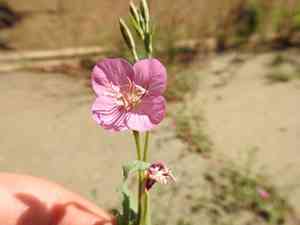
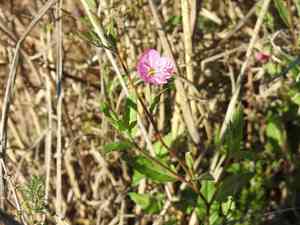
Images of Rose evening primrose


Quickly Identify Rose evening primrose
1
Look for lanceolate leaves with slightly toothed edges and bright pink flowers with a yellow center. The plant typically has slender stems and can grow in various soil types. It often spreads through underground rhizomes.
Scientific Classification of Rose evening primrose
Phylum
Vascular plants
Class
Dicotyledons
Order
Myrtales
Family
Evening primrose
Genus
Evening Primrose
Species
Rose evening primrose
Planting and Growing of Rose evening primrose
Care Difficulty
Easy
Watering Schedule
Every 6 days
Sunlight Requirements
Full sun
Sunshine Duration
4-8 hours
Ideal Temperature
60-75℉
Soil Type
Potting Mix, Peat Mix
Soil pH
6.5-7.5
Fertilizer Type
Balanced
Pruning Season
Spring, Summer
Pruning Area
Branches, Leaves
Pruning Frequency
2 times a year
Repotting Season
Spring
Pot Type
Plastic, Ceramic
 How to Water Rose evening primrose?
Oenothera rosea requires watering in the range of 300 ml per session. The guiding principle is to ensure the soil is evenly moist but not waterlogged. Water until you see excess moisture starting to drain from the pot's bottom, indicating thorough saturation.
What are the symptoms of an underwatered Rose evening primrose?
›
What should I do if my Rose evening primrose is not getting enough water?
›
What are the symptoms of an overwatered Rose evening primrose?
›
How to save an overwatered Rose evening primrose?
›
 What Are the Sunlight Requirements for Rose evening primrose?
Oenothera rosea thrives under full sun to partial sun, benefiting from 6 to 8 hours of daily light, which supports lush growth and abundant flowering.
More About Sunlight Requirements Techniques→
What is the ideal light intensity for Oenothera rosea?
›
How can one ensure Oenothera rosea receives its ideal light conditions?
›
What benefits arise from providing ideal light conditions for Oenothera rosea?
›
 What Is the Ideal Temperature Range for Rose evening primrose?
The ideal temperature range for cultivating Oenothera rosea is between 60°F and 75°F. This range provides optimal conditions for the plant's growth and flowering, facilitating the absorption of nutrients and water required for its development.
 What Soil is Best for Rose evening primrose?
Oenothera rosea thrives in nutrient-rich soils that provide essential nutrients for optimal growth. A rich diet of organic matter boosts its resilience and bloom quality. This plant requires well-drained soil to prevent root rot and other moisture-related issues. Proper drainage allows roots to breathe and promotes healthier growth. While Oenothera rosea is drought-tolerant, a consistent supply of moderate moisture encourages continuous blooming and prevents wilting.
 How to Fertilize Rose evening primrose?
Oenothera rosea, commonly known as Pink Evening Primrose, benefits from a balanced feeding practice. For liquid fertilizers, dilute according to package instructions, typically around 1 tablespoon per gallon of water. For granular or slow-release fertilizers, distribute evenly over the soil at a rate of about 1 pound per 100 square feet.
 How to Prune Rose evening primrose?
To prune Oenothera rosea, start by removing spent flowers and any dead or damaged stems. Use sharp, clean scissors to make a clean cut just above the next set of leaves. Trim back about one-third of the plant's height to promote dense growth. Be careful not to cut into the woody base of the plant, as it can harm its vitality.
More About Pruning Techniques→
 How to Propagate Rose evening primrose plant?
1
Begin by preparing a well-draining soil mix to fill seed trays or pots. The soil should be rich in nutrients but also light enough to allow for proper drainage and air circulation around the seeds or cuttings.
2
Sow the seeds on the surface of the prepared soil, then lightly cover them with a thin layer of soil. Ensure they are spaced adequately to prevent overcrowding and to allow for easy future transplantation.
3
Water the soil gently but thoroughly after sowing the seeds or planting cuttings. Consistent moisture is vital during the germination period; however, avoid waterlogging, which can lead to rot or fungal diseases.
 How to Repot Rose evening primrose plant?
1
Oenothera rosea generally shows signs of needing a new home when it's outgrown its pot, indicated by roots peeking out from drainage holes, or when the plant's growth appears stunted despite regular care. These are signals that nutrients are being depleted and it's time for a fresh start with new soil and a slightly larger pot.
2
When selecting a pot for your Oenothera rosea, ensure it is only slightly larger than the current one to avoid excessive soil that can retain water and cause root rot. Opt for pots with sufficient drainage holes. This control prevents water from collecting at the base and promotes a healthy root environment, essential for thriving plants.
3
Choosing the right soil is crucial. A well-draining loamy mix encourages root aeration and prevents waterlogging pitfalls. This type of soil replicates the plant's natural habitat, ensuring oxygen reaches the roots effectively and keeping it free from diseases caused by too much moisture.



