How to Transplant Sacahuista?
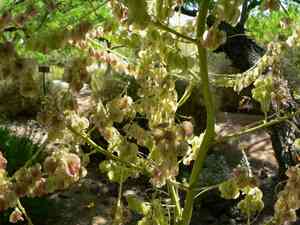
Relocate sacahuista when temperatures are mild, from late spring through mid-summer, to align with its active growth phase. Choose a bright location featuring soil that drains effectively, and make certain the root mass stays undisturbed to facilitate rapid integration.
Necessary Preparations Before Relocating Sacahuista?
Optimal Period for Sacahuista Relocation?
The best time to move sacahuista is from late spring's increasing warmth through mid-summer. This timeframe coincides with sacahuista's active growth, offering roots the best chance to settle in their new spot. Transplanting then leverages the season's mild temperatures and extended daylight, promoting strong growth and resilience in sacahuista. Additionally, you'll avoid frost stress on its delicate system, utilizing nature's supportive conditions for a successful transplant.
Required Spacing Between Sacahuista Plants?
When relocating sacahuista, always ensure adequate room for healthy development. Ideally, each plant should be spaced approximately 2-3 feet (0.6-0.9 meters) apart. Achieving this proper spacing will foster a flourishing garden.
Best Soil Blend for Sacahuista Relocation?
For sacahuista, a well-draining soil, such as sandy or loam, is essential. Before planting, enrich the soil with a foundational fertilizer, providing your plant with an excellent head start. Always follow the fertilizer package directions!
Where to Replant Your Sacahuista?
Sacahuista achieves optimal growth in a location receiving full sun. However, it can also endure partial shade. To ensure the best conditions for your plant, observe the sun's movement in your garden before making a decision.
Equipment to Prepare Before Sacahuista Relocation?
Gardening Gloves
These will safeguard your hands from dirt and any potential sharp objects in the soil.
Shovel
A shovel should be utilized to excavate a hole for the sacahuista and to extract the plant from its original site.
Trowel
This smaller hand tool is useful for gentle excavation around the roots and also assists in removing sacahuista from containers without harming the roots.
Gardening Fork
It is beneficial for loosening the soil at both the initial and new locations.
Watering Can
This is necessary for hydrating the plant during and after the relocation process.
Wheelbarrow
This implement may be helpful if the sacahuista plant is large and requires transport over a considerable distance.
Soft Cloth
Used to cleanse the root system if there is any clinging soil or debris.
How to Extract Sacahuista from the Soil?
How to Extract Sacahuista from the Soil?
From Ground: Hydrate the sacahuista plant to moisten the soil. Use a gardening fork to loosen the soil surrounding the plant. Dig a trench around the plant with a spade shovel, ensuring the root ball remains intact. Very gently begin lifting the plant using the spade from beneath the root ball. Be careful not to harm any roots during this procedure.From A Pot: Before removing sacahuista from a pot, ensure the soil is damp but not waterlogged. Carefully turn the pot on its side, and gently pull the plant at its base. If the plant doesn't slide out, rock it back and forth slightly until it loosens.From Seedling Tray: Water the soil, then gently squeeze the base of the seed cell. This should loosen the soil and roots. Carefully lift the sacahuista by its leaves rather than the stem, as leaves are more resilient.
Step-by-Step Guide for Relocating Sacahuista
Preparation
Thoroughly water the sacahuista several hours before you intend to relocate it. The soil should be completely moist to minimize stress and potential harm to the plant.
Remove Plant
Gently extract the sacahuista from its initial spot using the methods described previously. Ensure the root ball is securely handled to prevent any damage.
Dig New Hole
Using the shovel, excavate a hole at the chosen site that is twice as wide and slightly deeper than the sacahuista's root system.
Planting
Position the sacahuista plant in the center of the hole. The plant should be placed so its base is level with the ground surface, neither too deep nor too shallow.
Backfill
Gently refill the hole, firming the soil around the base of the sacahuista.
Watering
Thoroughly water the plant immediately after the relocation process. This will help the soil settle around the roots.
Post-Relocation Care for Sacahuista
Watering
Water the sacahuista consistently, especially during the initial weeks, to ensure it establishes in its new location. However, avoid making the soil excessively soggy.
Pruning
If the sacahuista plant appears stressed after the move, consider reducing its size by up to one-third to decrease water loss while it re-establishes.
Monitoring
Keep a close watch on the sacahuista in its new environment. Look for signs of stress such as drooping or wilting, yellowing, or fallen leaves. If these signs appear, you may need to adjust your care routine.
Resolving Common Issues with Sacahuista Relocation.
When is the best time to relocate sacahuista?
The optimal period for relocating sacahuista is during the latter part of S3 to the early part of S5. This timeframe ensures minimal stress on the plant.
What soil type is best for sacahuista during relocation?
Sacahuista thrives best in well-drained soil. Incorporate organic matter to enrich the soil and promote optimal growth after transplanting.
How much space should I allow between sacahuista when relocating?
For healthy development, each sacahuista should be relocated with a spacing of approximately 2-3 feet (60-90 cm) between them. This provides ample room for expansion and growth.
What to do if my relocated sacahuista is wilting?
If your relocated sacahuista is wilting, it might be either underwatered or overwatered. Check the soil moisture levels; adjust watering accordingly. If the issue persists, consider providing partial shade.
Why are the leaves of my relocated sacahuista turning yellow?
Yellowing leaves could indicate overwatering or inadequate drainage. Ensure the soil drains well, as your sacahuista dislikes waterlogged roots.
Should I trim the sacahuista plant before relocating?
Yes, trimming is recommended for sacahuista. Pruning helps minimize water loss and reduces stress on the plant during the relocation process.
How deep should I plant the sacahuista during relocation?
As a general rule, the sacahuista should be planted at the same depth it was previously growing. Planting too deeply could lead to stem rot.
Can I cultivate sacahuista in a container or pot?
Sacahuista can certainly be grown in a container, provided there is sufficient depth for the roots to spread and the soil is well-draining.
Should I use a root stimulator when relocating sacahuista?
Root stimulators can be used to assist sacahuista's growth post-relocation, though they are not essential. Focus on proper watering and soil conditions.
Why are there brown spots on my relocated sacahuista's leaves?
Brown spots can be a symptom of fungal infection. Ensure your sacahuista has good air circulation and is not over-watered, as high humidity encourages fungal growth.



