How to Propagate Sacahuista?
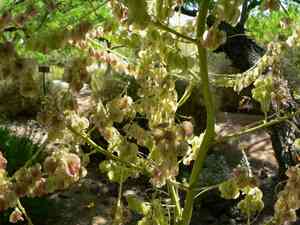
Sacahuista, a robust arid-region flora, flourishes with little attention, rendering it perfect for cultivators desiring effortless vegetation. For sacahuista propagation, cuttings prove efficientâselect vigorous, non-blooming stems for superior root formation. Guarantee well-draining substrate to avert decay and aid root growth. Keep the soil slightly damp; excessive watering can be detrimental. Notwithstanding its durability, careful handling is crucial during the sensitive propagation stage to guarantee the plant's successful integration.
Optimal Time for Sacahuista Propagation
Propagation Type
Cutting
Propagation Season
Spring,Summer
Tools for Sacahuista Propagation
Sharp Pruning Shears
These shears are crucial for making clean cuts from sacahuista for cuttings, which is vital for successful propagation. Sharp blades ensure a smooth cut, minimizing damage to plant tissue and promoting better healing and root growth in cuttings.
Rooting Hormone Powder
Rooting hormone powder boosts root development in sacahuista cuttings, improving the likelihood of successful propagation. The powder encourages root formation at the cutting site, essential for cuttings that often struggle to root without assistance.
Sterile Potting Mix
A well-draining, sterile potting mix offers an ideal environment for newly propagated sacahuista cuttings. It prevents disease and supports healthier early root growth by maintaining proper moisture and air around the roots.
Plant Pots with Drainage Holes
These containers are used to hold cuttings during the rooting phase. Drainage holes are critical for preventing water accumulation at the bottom, which can cause root rot, a common problem for new cuttings, especially sensitive plants like sacahuista.
Plastic Cover or Mini Greenhouse
A plastic cover or mini greenhouse maintains a humid atmosphere around sacahuista cuttings, ensuring they don't dry out during the crucial initial stages of root development. This tool helps create a controlled environment, vital for stabilizing cuttings.
How to Propagate Sacahuista?
Propagation Type
Easy
Caring for Your Newly Propagated Sacahuista
Caring for Your Newly Propagated Sacahuista?
Once roots are established, gradually introduce the new sacahuista to less humid conditions over several days. Replant it into a pot with a cactus or succulent potting mix that provides excellent drainage. After repotting, water thoroughly but infrequently, allowing the soil to dry out between waterings. Position sacahuista where it receives bright, indirect sunlight. Shield the plant from extreme temperatures and avoid overwatering to prevent rot. Sacahuista is drought-tolerant, so ensure the watering schedule reflects its minimal water needs.
Common Mistakes to Avoid When Propagating Sacahuista
Overwatering
Excessive watering can lead to root rot, which is harmful to sacahuista's health. The plant has adapted to dry conditions, and too much water can hinder successful propagation.
Using non-draining containers
Propagating sacahuista in containers without drainage holes traps excess water, risking root rot and fungal growth, impeding successful propagation.
Excessive soil compaction
Overly compacted soil can impede root growth and reduce aeration, which can negatively affect the root development of sacahuista.
Overfertilization
Too much fertilizer can cause salt buildup in the soil and burn the delicate roots of sacahuista, decreasing the chances of successful propagation.
Tips For Propagating Sacahuista
Well-draining soil mix
Utilize a well-draining soil mix that mimics sacahuista's natural environment. It will support root health and facilitate proper moisture retention for propagation.
Indirect sunlight
Provide bright, indirect sunlight for sacahuista during propagation, as direct sun can stress new cuttings or seedlings.
Moderate watering regime
Maintain a moderate watering schedule for sacahuista, allowing the soil to dry out slightly between waterings to imitate its natural arid conditions.
Gentle handling
Handle sacahuista cuttings with care to prevent damaging delicate tissues, which can impede root development and propagation success.



