How to Prune Sacahuista?
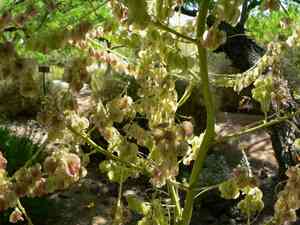
A perennial, grass-like plant featuring delicate foliage and an arching, fountain-shaped habit, sacahuista generally needs very little trimming. Essential methods involve eliminating deceased or injured leaves and faded flower stems from their base. The most effective time for this maintenance is from Spring to Autumn, to preserve its aesthetic and inhibit self-propagation. Trimming promotes robustness, aids in contouring, and prevents unwanted dissemination in cultivated spaces. Always employ sanitized, keen implements to avert disease.
Advantages of Trimming Sacahuista
Advantages of Trimming Sacahuista
Trimming sacahuista promotes robust development by eliminating dead or crowded leaves, enhancing air circulation and light penetration. Consistent shaping helps maintain its desired form and size, making it an appealing landscape feature.
Optimal Period for Trimming Sacahuista
Optimal Period for Trimming Sacahuista
Trimming or shaping sacahuista from late Spring to early Summer is ideal, aligning with the start of its active growth phase, which allows sacahuista to heal efficiently and produce new growth. Furthermore, pruning before the hottest part of Summer helps prevent plant stress during extreme temperatures. Autumn pruning is not advised, as new growth might not harden off before winter, leaving sacahuista susceptible to cold damage.
Tools Required for Sacahuista Pruning
Bypass Pruners
Perfect for making clean cuts on the thinner, non-woody parts of sacahuista, minimizing harm to plant tissues.
Long-Handled Loppers
Useful for reaching into sacahuista's dense foliage and providing the leverage needed for cutting thicker branches beyond the reach of standard bypass pruners.
Pruning Saw
Essential for removing any mature, thick branches of sacahuista too large for loppers, enabling precise cuts without tearing.
Protective Gloves
Recommended to shield hands from sacahuista's fibrous leaves and potential sharp edges during pruning.
Safety Glasses
Crucial for protecting eyes from any debris or plant material that might dislodge while pruning sacahuista.
How to Prune Sacahuista
Sanitize Tools
Disinfect all pruning tools with a solution of 1 part bleach to 9 parts water to prevent disease transmission to sacahuista.
Remove Diseased Parts
Carefully identify and trim away any diseased leaves or branches from sacahuista, ensuring clean cuts that avoid damaging the plant's healthy tissues.
Cut Dead Material
Remove dead branches and withered leaves from sacahuista by cutting them at their base, being careful not to pull or tear, which could harm the plant.
Promote Healthy Growth
Look for overcrowded areas that could benefit from thinning to allow light and air to penetrate more effectively, encouraging robust growth in sacahuista.
Clear Debris
After pruning, clear away all debris from around the base of sacahuista to deter pests and diseases from establishing.
Common Pruning Errors with Sacahuista
Excessive Pruning
Removing too many leaves from sacahuista can stress the plant and reduce its vitality, as it relies on foliage for photosynthesis. Gardeners should avoid cutting back more than one-third of the plant at any given time.
Cutting Live Terminal Ends
Trimming the growing tips of sacahuista can halt its characteristic growth pattern. Gardeners should ensure not to cut the live terminal ends, as it can prevent the natural fountain-like shape from developing.
Incorrect Tool Usage
Using dull or unclean pruning tools on sacahuista can result in jagged cuts that are more vulnerable to pest and disease damage. Sharp and sterilized tools are essential for clean cuts and the plant's health.
Ignoring Dead Material
Failing to remove dead or dying leaves from sacahuista may attract pests and diseases. It's important to periodically clear away dead material to maintain plant health and appearance.
General Pruning Advice for Sacahuista
Selective Trimming
Gardeners should perform selective trimming on sacahuista to remove only the brown tips of leaves and any fully dead leaves, preserving as much green foliage as possible for the plant's energy needs.
Base Cleaning
Sacahuista may benefit from gentle cleaning at the base to remove accumulated debris and dead organic matter, which can encourage rot and harbor pests.
Use Of Appropriate Tools
For the thicker, woody portions of sacahuista, use sharp and clean hand saws for cutting, ensuring tools are disinfected between cuts to prevent disease spread.
Periodic Inspection
Regularly inspect sacahuista for damaged or diseased foliage. It is crucial for gardeners to prune away these parts as soon as they are spotted to maintain a healthy plant.



